Connect with us

Society

It’s Time: Togo Wants to Break Up with the Gregorian Calendar

Published

on

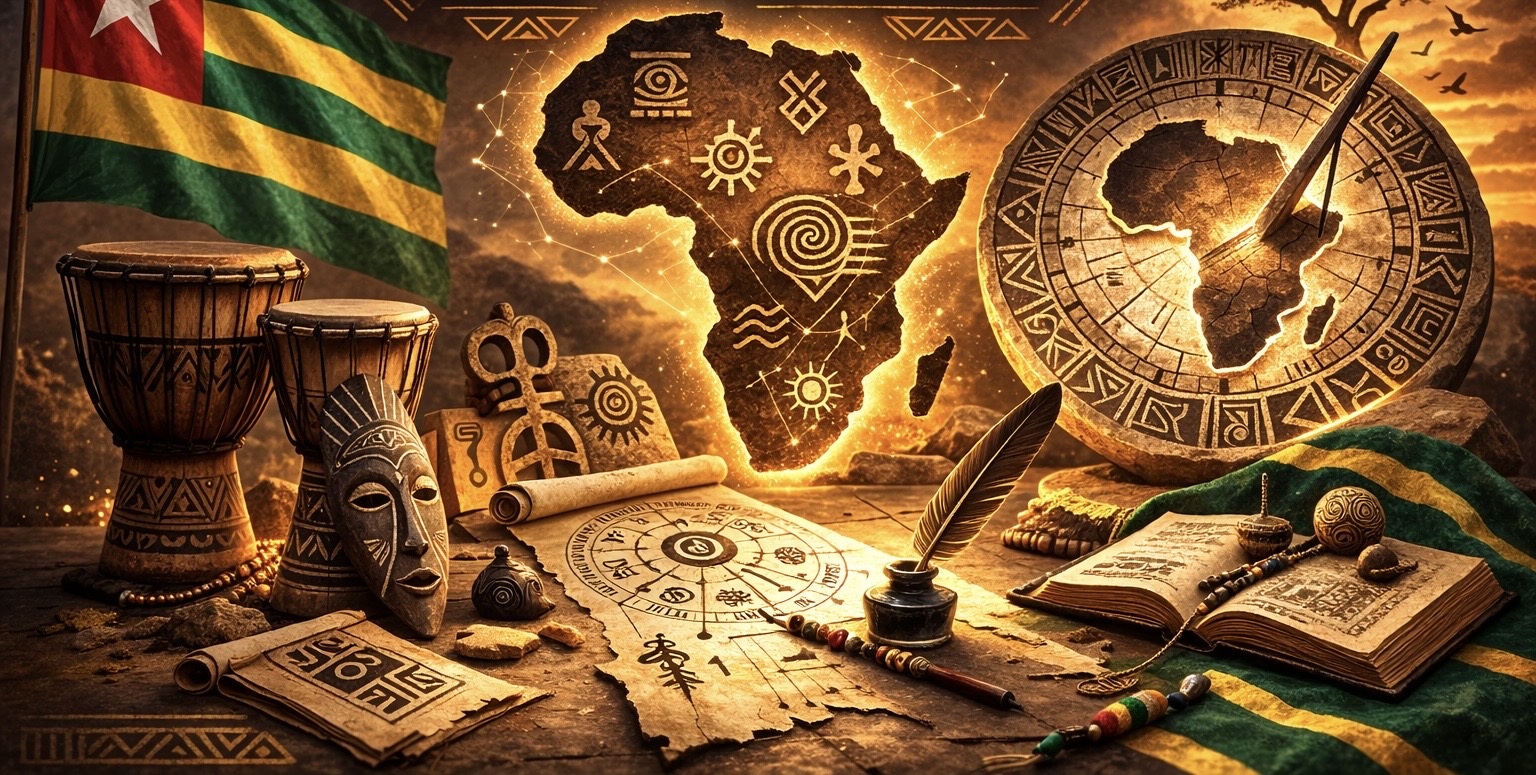
Have you heard? Togo is questioning one of the things most of us think of as so basic: the calendar.
On 24 February 2026, Togo’s Ministry of Foreign Affairs released a statement supporting the idea of an African calendar, following recommendations from the 9th Pan-African Congress in Lomé in December 2025. The motivation? A push for cultural self-definition and what Congress delegates called the decolonization of African minds.

In other words, Togo is asking: why should Africa’s story be measured by a timeline designed in Europe?
To understand why this matters, it helps to step back. The Gregorian calendar, which dominates the world today, wasn’t born universal, it was imposed. In 1582, Pope Gregory XIII tweaked the earlier Julian calendar introduced by Julius Caesar in 45 BCE. The Julian system had drifted out of sync with the solar year; the Gregorian reform fixed it, skipping days and adjusting leap years. Catholic countries adopted it immediately; others took centuries to follow. Britain switched in 1752. Russia only after 1917. Over time, as Europe expanded its political, economic, and scientific influence, this calendar became the global standard.

But not everyone abandoned their own timelines. Ethiopia keeps a 13-month calendar that runs several years behind the Gregorian. China uses the Gregorian for business but keeps the lunar calendar for cultural events. Israel and Saudi Arabia rely on religious calendars alongside it. These systems show that calendars can carry both practical and cultural weight.

Togo isn’t proposing a technical overhaul just yet. The February statement offered no timeline, no details about months or year zero, and no plan to replace the Gregorian calendar for trade or international affairs.

Continue Reading
Click to comment

Leave a Reply

Your email address will not be published. Required fields are marked *

Society

Rwanda’s Volcanoes National Park Featured in Global Documentary on Gorilla Conservation

Published

on

By

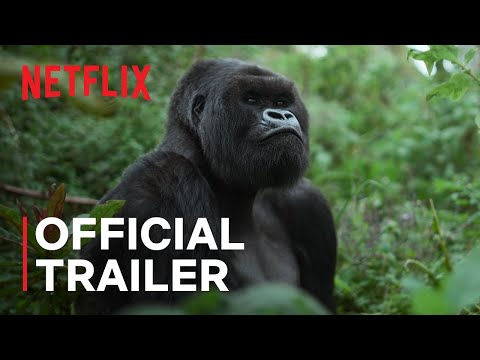
When A Gorilla Story: Told by David Attenborough premieres on Netflix on April 17, 2026, it will not simply be another wildlife documentary, it will be a deeply symbolic moment for conservation, storytelling, and Rwanda itself. Narrated by David Attenborough, the film traces the life of a mountain gorilla named Pablo, from infancy to becoming a dominant silverback, while also following the legacy of his descendants.

What makes this documentary especially powerful is its connection to Volcanoes National Park, one of the most conservation areas in Africa and home to Rwanda’s famous mountain gorillas. For Rwanda, this is more than a backdrop, it is a national symbol. The park represents one of the world’s most successful conservation stories, where careful protection, community involvement, and sustainable tourism have helped bring mountain gorillas back from the brink of extinction. By focusing on a single gorilla family within this landscape, the film personalizes a global environmental issue, turning statistics into a story people can feel.

From a broader perspective, the documentary arrives at a crucial time. Climate change, habitat loss, and biodiversity decline are no longer distant concerns, they are urgent global realities. By revisiting a relationship that began decades ago, Attenborough offers something rare: a long-term view of nature. This continuity allows audiences to see not just survival, but legacy, how one gorilla’s life connects generations and reflects the impact of conservation efforts over time.

Compared to Attenborough’s earlier works, such as Planet Earth and Our Planet, this film appears far more intimate. While those series showcased the grandeur and diversity of ecosystems across the globe, A Gorilla Story narrows its focus to a single narrative thread. This shift from sweeping global exploration to deeply personal storytelling mirrors a broader evolution in environmental filmmaking, one that emphasizes emotional connection as a catalyst for action. Instead of overwhelming viewers with scale, it draws them in through empathy.

Ultimately, the importance of this documentary lies in its ability to bridge worlds: past and present, global audiences and local realities, human stories and animal lives. For Rwanda, it reinforces its position as a leader in conservation. For the world, it is a reminder that protecting nature is not just about saving species, it is about preserving stories, relationships, and futures.

Continue Reading

Society

Makerere University Guild Debate Ends in Chaos as Student Supporters Clash

Published

on

By

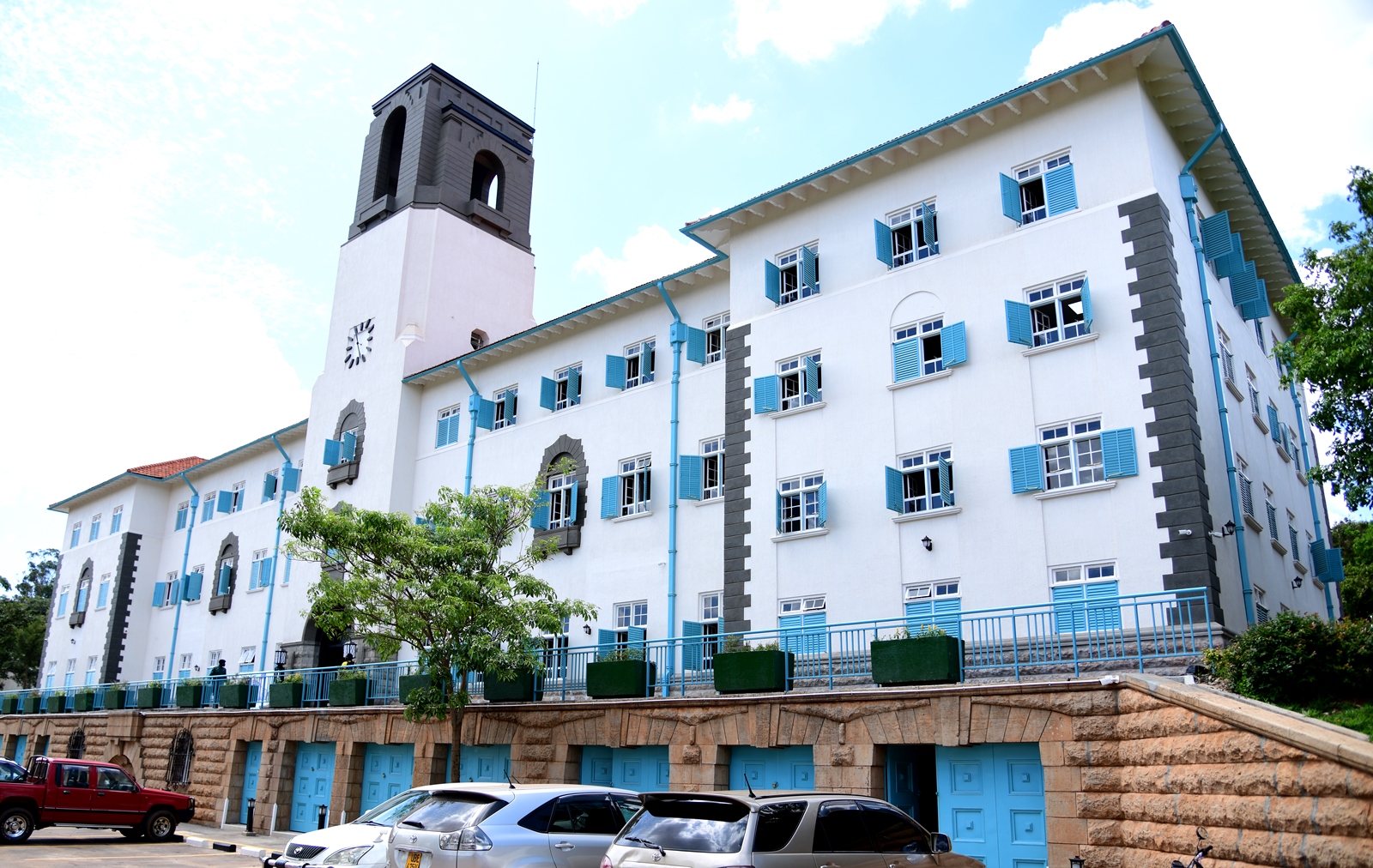
The 92nd Guild presidential debate at Makerere University was abruptly stopped on Thursday after clashes erupted between supporters of rival candidates, forcing organizers to suspend the event.

The disruption occurred shortly after Hannah Karema, one of the candidates, concluded her speech. Supporters from opposing camps including backers of Gracious Kadondi, aligned with the National Unity Platform (NUP) began shouting and pushing each other, escalating into physical scuffles that security struggled to contain.

Maureen Owomugisha, chairperson of the Makerere University Electoral Commission, confirmed that the debate would be rescheduled once the situation stabilizes, emphasizing that student safety is the top priority.
The guild elections at Makerere are a key democratic tradition, providing a platform for candidates to present their visions to the student body. Both Karema and Kadondi had planned to outline policies on student welfare, campus facilities, and leadership reforms during the debate.

However, the tensions between their supporters reflect growing intensity in campus politics, mirroring the competitive and sometimes polarized environment of Uganda’s national political scene.

The university has not yet announced a new date for the rescheduled debate. The guild elections are expected to proceed in the coming weeks, with all registered students eligible to cast their votes.

Continue Reading

Society

Rwanda: President Paul Kagame Meets with the Muslim Community

Published

on

By

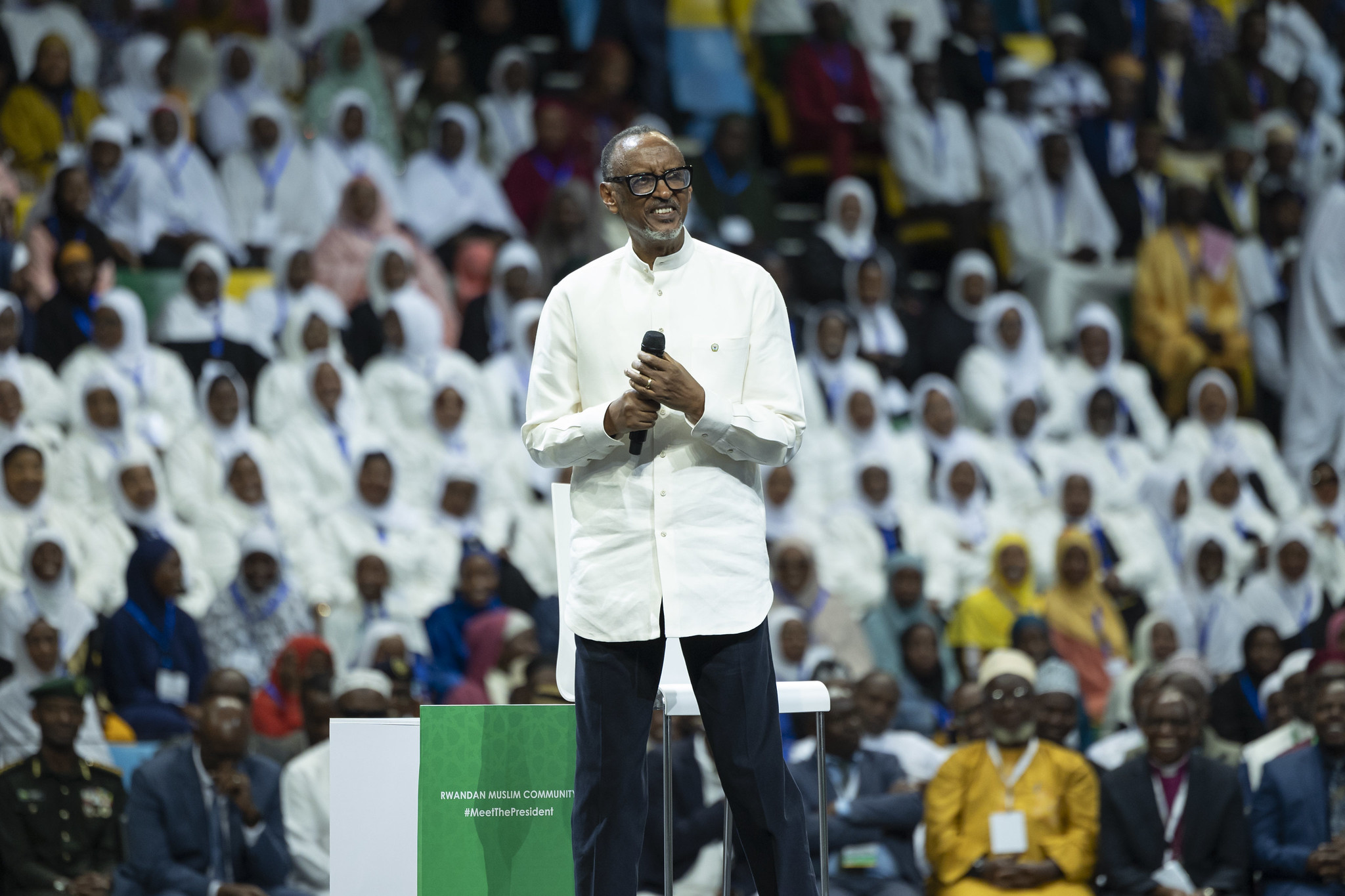
On 25 March 2026, thousands gathered at BK Arena in Kigali for a landmark engagement between President Paul Kagame and Rwanda’s Muslim community. The “Meet the President” session was not a ceremonial event, it was a candid, two-way dialogue that brought real concerns, direct responses, and clear expectations to the forefront.

From the outset, President Kagame set the tone by clarifying that while religion plays an important role in people’s lives, his responsibility as a leader is to ensure unity, fairness, and national development. His message was consistent throughout: faith must go beyond belief and translate into discipline, responsibility, and tangible contributions to society.

One of the most significant exchanges came when a community member raised concerns about restrictions on the early morning call to prayer (Adhan). The issue, described as deeply felt within the Muslim community, was addressed directly by the President. Kagame acknowledged its importance and expressed support for restoring the practice while emphasizing the need to balance religious freedom with public order. This response stood out as a clear and immediate policy signal.

Another key concern came from Muslim leaders regarding delays in securing land for a national headquarters. In response, President Kagame committed that the matter would be resolved within the year, reinforcing the government’s willingness to support institutional development within the community.

Beyond these specific issues, Kagame used the platform to deliver a broader message about unity and responsibility. He acknowledged the historical marginalization of Muslims in Rwanda, contrasting it with their current position as fully recognized and active participants in national life. However, he challenged the community to manage its internal differences and remain cohesive, stressing that progress brings responsibility.

The President also spoke firmly about the role of religion in society. He urged religious leaders and followers alike to ensure that faith leads to ethical behavior, strong values, and solutions to real-life challenges. Religion, he emphasized, should uplift communities not divide them or remain disconnected from everyday realities.

A recurring theme throughout the dialogue was self-reliance. Kagame encouraged the Muslim community to actively participate in Rwanda’s development, reminding attendees that progress depends not only on government support but also on individual and collective effort.

The atmosphere of the event was open and engaged. Community members voiced concerns honestly, and the President responded without evasion combining immediate answers with long-term expectations.

Faith, unity, and responsibility, this was the message that defined the conversation.

Continue Reading

Trending

Copyright © 2026 Africadigitmedia.net. Website powered by ProDigit.