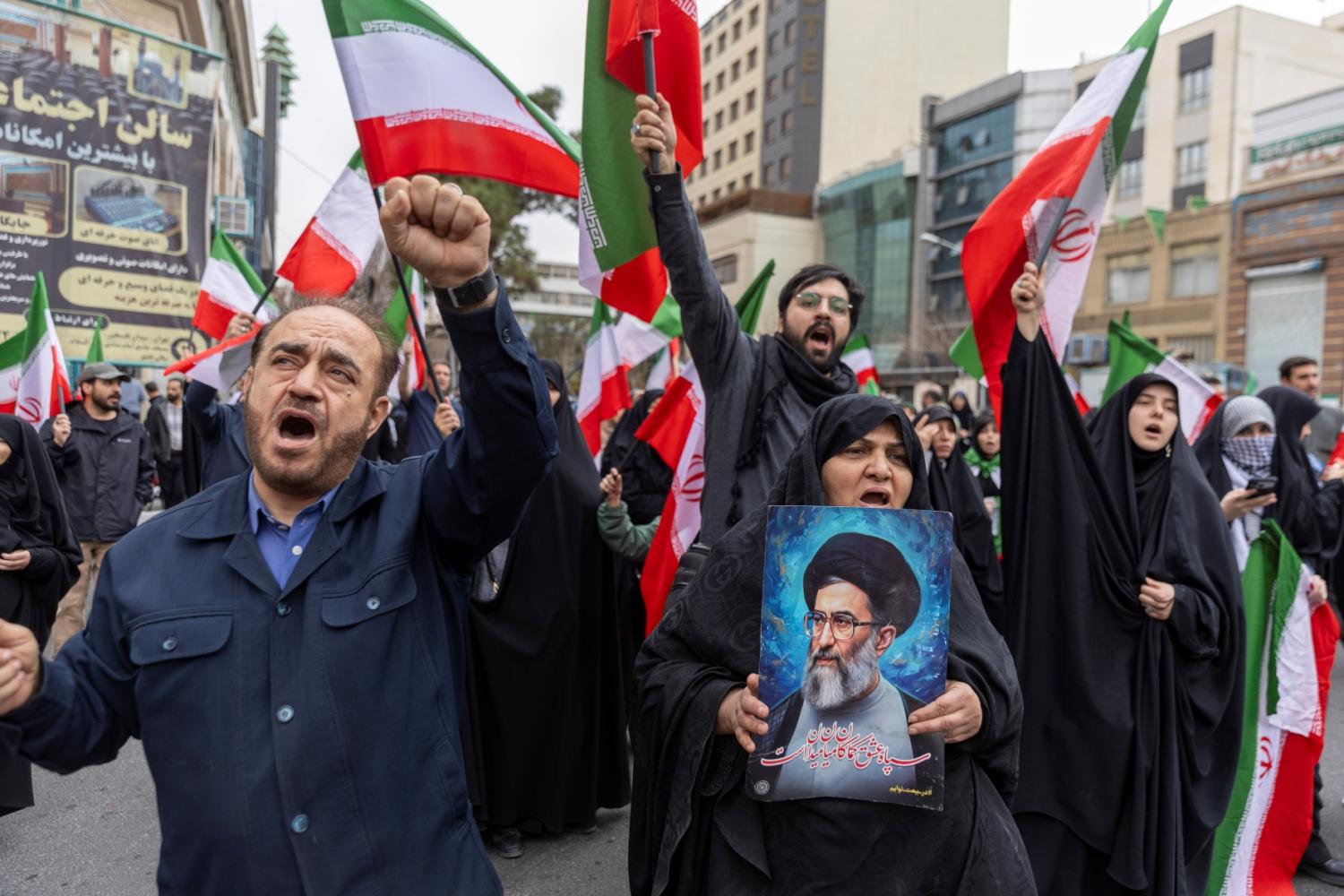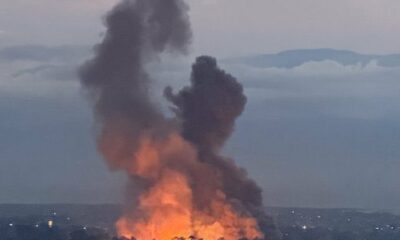
The war between Iran, Israel, and the United States has intensified, spreading far beyond its original borders and impacting at least 13 countries or entities across the Middle East. What began as coordinated U.S. and Israeli strikes on Iranian military infrastructure has quickly escalated into a regional crisis, with Iran retaliating through missiles and drones targeting Israel and American bases in the Gulf.
In recent days, the conflict has extended to Gulf nations including the United Arab Emirates, Qatar, Bahrain, Kuwait, Oman, and Saudi Arabia, where missile and drone strikes have caused both military and civilian casualties. Key infrastructure, including energy facilities and ports, has been damaged, raising concerns over regional stability and global energy markets.
Lebanon’s Hezbollah has opened a northern front against Israel, while Iran-aligned militias in Iraq and the Houthis in Yemen have increased their activity in support of Tehran, widening the conflict further. Even countries that remain neutral, such as Jordan and Egypt, are feeling the ripple effects of the war through disrupted airspace, refugee flows, and heightened security measures.
Casualty reports indicate the human cost is rising sharply. Over 1,000 people have been killed in Iran, at least 11 civilians in Israel, and six U.S. service members. Gulf states have also reported deaths and injuries among civilians, highlighting the war’s spillover beyond military targets.
Global leaders are calling for restraint, but Europe remains divided on whether to intervene or impose further sanctions. NATO forces recently intercepted Iranian missiles near Turkish airspace, emphasizing the risk of further escalation.
With more countries and proxy groups now involved, the risk of a broader Middle East war continues to grow. The humanitarian, economic, and strategic consequences could be severe, with global oil markets and regional stability hanging in the balance.