Connect with us

Business

Kenya and Rwanda Move Toward Shared Fintech Market

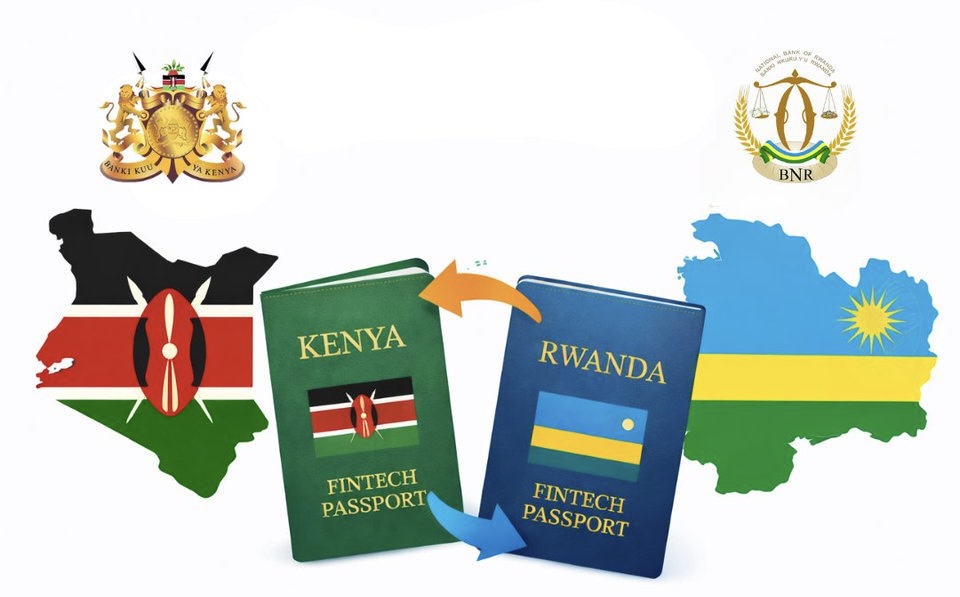
Kenya and Rwanda have taken a step toward creating a more connected digital payments market after regulators in both countries signed an agreement aimed at making it easier for fintech companies to operate across their borders.

Published

on

On 11 March 2026, the Central Bank of Kenya and the National Bank of Rwanda signed a Memorandum of Understanding (MoU) that lays the groundwork for what regulators describe as a fintech licence passporting framework. The agreement was signed during the Inclusive FinTech Forum 2026 held in Kigali.

The idea behind licence passporting is simple: a fintech company licensed in one country could eventually be allowed to operate in the other without going through a completely new licensing process. Today, digital payment companies expanding into a new country usually have to apply for regulatory approval again, even when the rules are very similar.

By recognising each other’s licensing systems, regulators hope to reduce those barriers and make it easier for financial technology firms to expand between the two markets.
The framework is expected to focus primarily on payment service providers, companies that offer services such as digital wallets, remittances, online payments, and other mobile-based financial services. These services have become increasingly important as more businesses and consumers across East Africa rely on digital transactions.

Officials say the initiative could also help improve cross-border payments between the two countries. Transfers between African countries are often slower and more expensive than domestic payments because financial systems operate under separate regulatory structures.
By coordinating their oversight, Kenya and Rwanda hope to simplify those processes and encourage smoother digital payment flows between their economies.

The partnership reflects a broader regional effort to integrate financial systems in East Africa. Policymakers across the region have been exploring ways to connect payment systems and build a more unified digital financial market.

Both countries are considered key players in Africa’s fintech growth. Kenya is widely known for its advanced mobile money ecosystem, while Rwanda has invested heavily in digital infrastructure and fintech innovation as part of its strategy to become a regional technology hub.

However, the agreement signed in Kigali does not immediately create a single licence system. The MoU begins a process in which regulators will design the full passporting framework, including shared standards, oversight mechanisms, and consumer protection safeguards.

If implemented successfully, the initiative could make it easier for fintech companies to expand across borders while also giving businesses and consumers more seamless digital payment options between the two countries.

For East Africa’s rapidly growing digital economy, the agreement signals a step toward a future where financial services move more freely across national borders.

Continue Reading
Click to comment

Leave a Reply

Your email address will not be published. Required fields are marked *

Business

EU Pours €290 Million into Nigeria’s Jobs, Health, and Digital Growth

Published

on

By

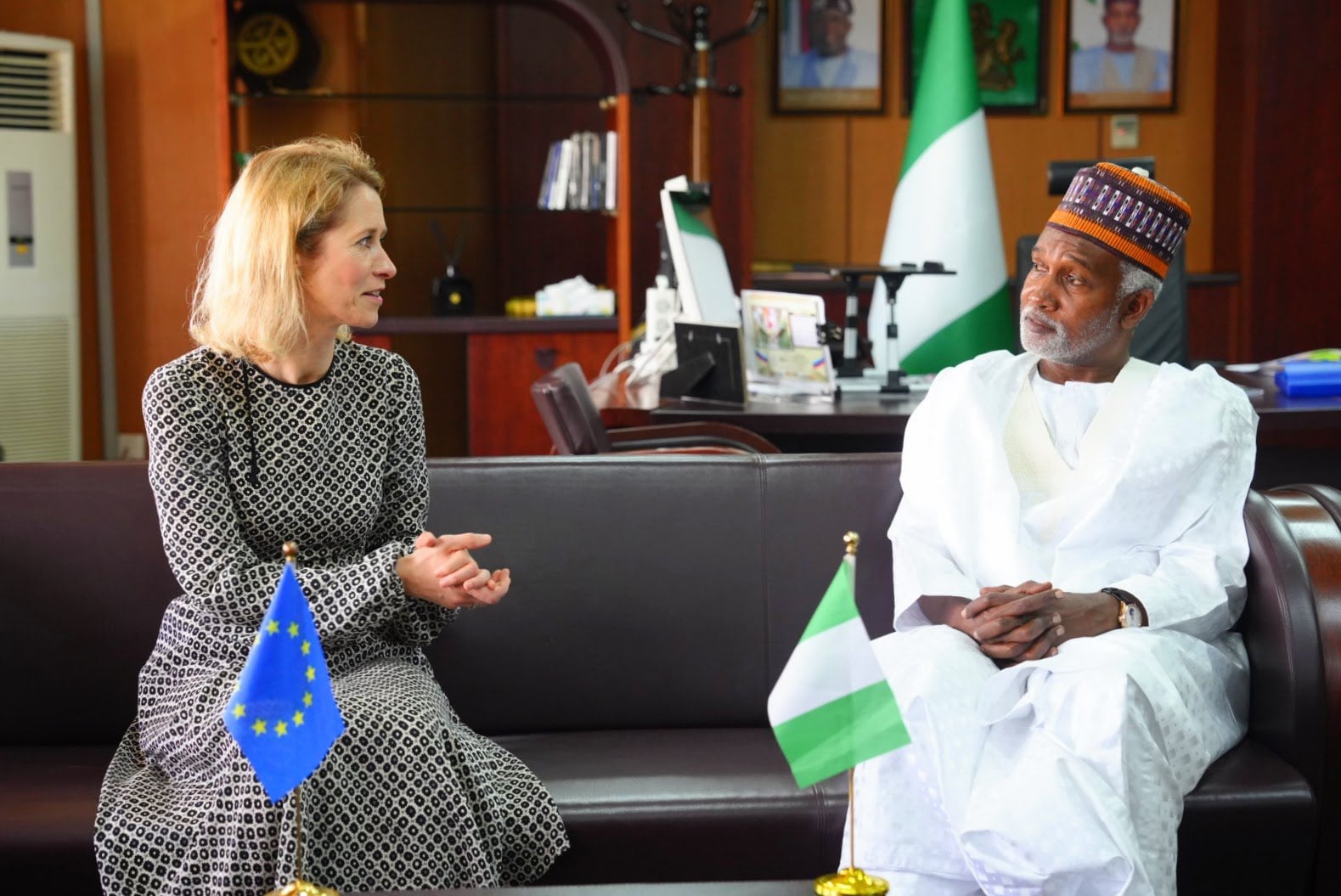
In a bold move that could reshape Nigeria’s economy, the European Union has announced a €290 million investment package aimed at boosting digital connectivity, healthcare, and agriculture. The announcement came this week during a high-level meeting in Abuja between Nigerian officials and EU representatives.

Unlike traditional aid, this is real investment, designed to create jobs, strengthen industries, and support long-term growth. For Nigerians, this could mean better access to the internet, more locally made medicines, and improved farming practices that bring higher yields and income.

A significant portion of the funds will go toward digital infrastructure. This means faster, more reliable internet, better connectivity for businesses, and support for Nigeria’s booming tech and start-up sector.
The healthcare sector will also benefit. With investment in local pharmaceutical manufacturing, more Nigerians can access affordable, essential medicines without relying on imports, improving public health and strengthening the country’s medical resilience.

Farmers and the agricultural sector are not left out. The EU funding will help modernize farming techniques, increase crop production, and improve access to markets. Smallholder farmers could see better incomes and communities could enjoy stronger food security.

Beyond funding, Nigeria and the EU are exploring new partnerships in areas like critical raw materials, cybersecurity, and trade. This shows the relationship is moving beyond aid into a strategic partnership that could transform Nigeria’s economic landscape.

For everyday Nigerians, the benefits are clear: more jobs, better healthcare, faster internet, and a stronger agriculture sector. The €290 million package is expected to roll out soon, with tangible results that could touch millions of lives across the country.

This investment signals a new era for Nigeria, one where international partnerships drive local growth, modern infrastructure, and economic empowerment for citizens.

Continue Reading

Business

Egypt to Pay $1.3B in Arrears to Foreign Oil Companies by June

Cairo moves to settle debts, restore confidence in energy sector
Published

on

By

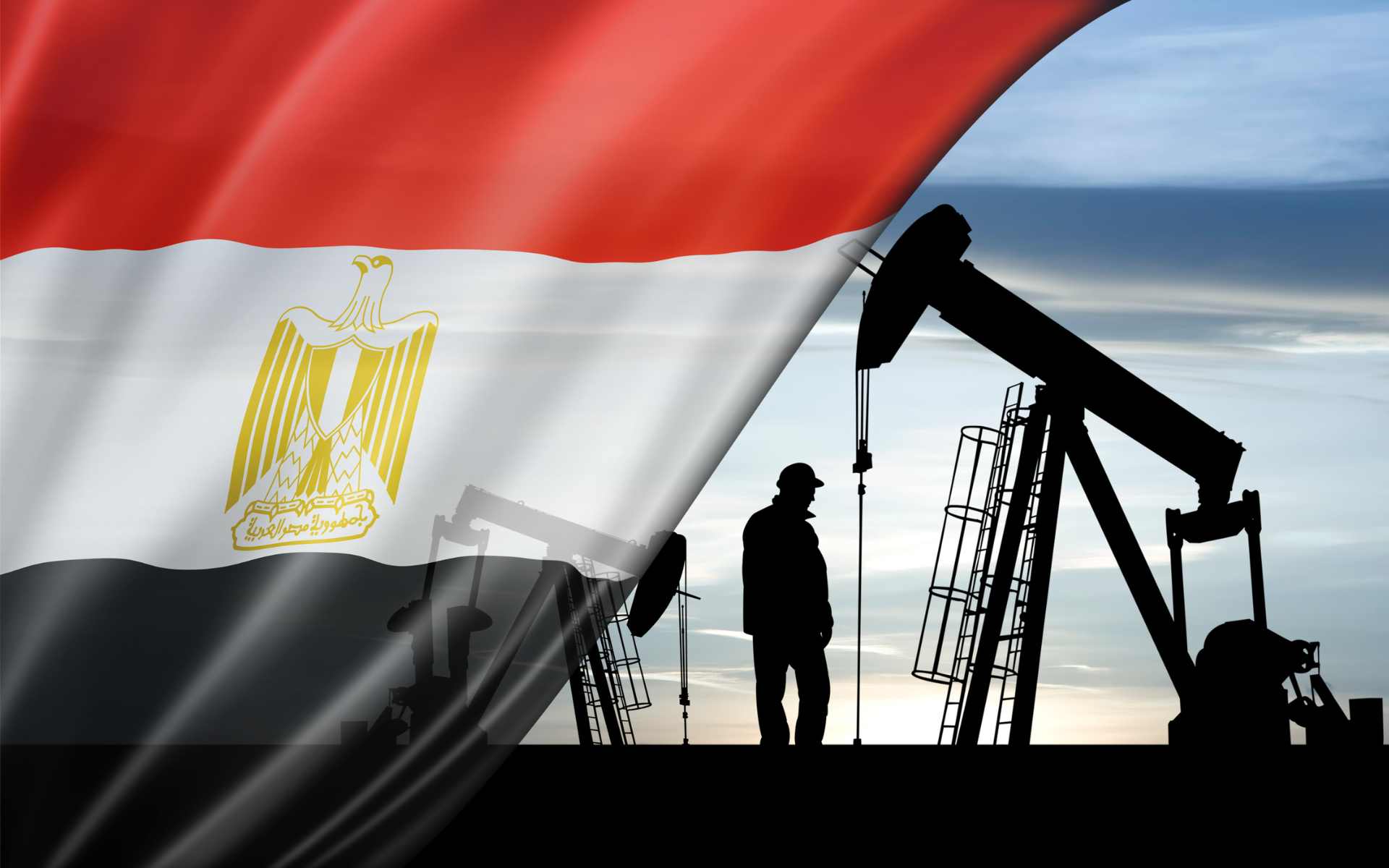
Egypt has announced it will pay $1.3 billion in overdue funds to international oil companies by June 30, 2026, the Petroleum Ministry said. The move aims to stabilize the country’s energy sector and encourage foreign investment.

The arrears, accumulated due to foreign currency shortages and economic challenges, had slowed oil and gas production and delayed new exploration projects. Authorities say paying off these debts will reassure foreign partners and could help reverse declines in domestic output.

Cairo has already reduced some of its outstanding arrears in recent years and plans to maintain regular monthly payments while clearing legacy debts. Officials stress that this settlement is key to securing long-term energy investment and reducing reliance on imported fuel.

Analysts note that clearing the backlog could make Egypt a more attractive destination for oil and gas firms, while supporting the country’s broader economic and energy goals.

Continue Reading

Business

Lake Solai Land Grab? Kenyans Say No Way

Published

on

By

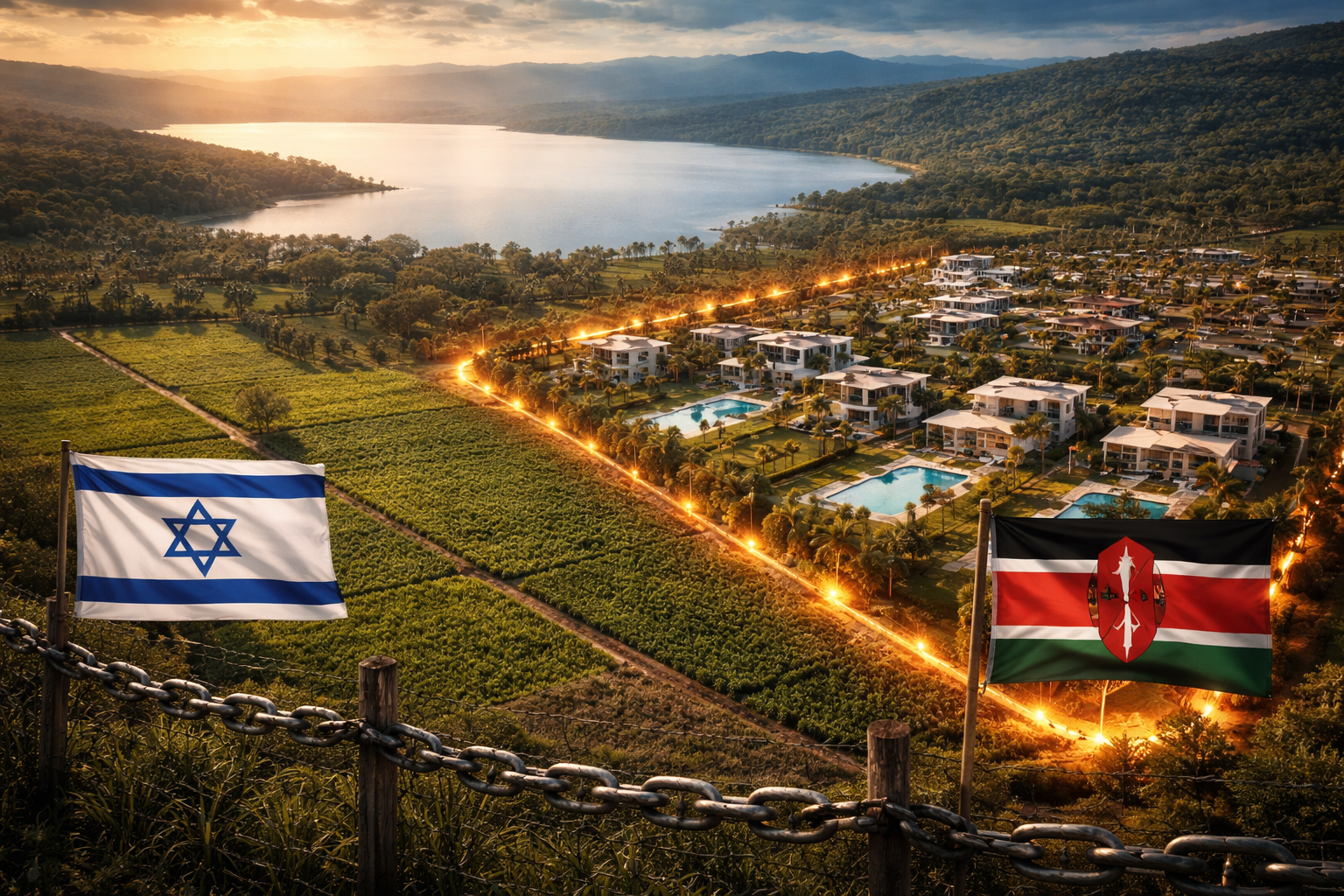
A plan by an Israeli investor to develop 520 acres near Lake Solai into luxury homes for both Kenyan and Israeli buyers has triggered nationwide debate. Promising modern housing, commercial plots, agricultural infrastructure, and tourism-driven growth, the project is framed as economic opportunity but many Kenyans see it as a symbol of persistent inequality, opaque land ownership, and historical marginalization of local communities.

Land in Kenya carries deep cultural, political, and historical significance. Colonial-era dispossession concentrated fertile land in settler hands, and independence did not fully resolve these inequalities. Large-scale foreign investment, especially marketed for luxury rather than local benefit, is particularly sensitive.

Legally, foreigners can hold land through long-term leaseholds via Kenyan companies. Yet marketing materials implying “freehold” ownership, combined with limited public communication, have fueled suspicion. Online discourse has amplified this, blending local grievances with broader geopolitical fears.

Israel has a history of outward property investment, and the project aligns with global trends rather than mass migration. But in Kenya, it raises concerns about foreign control over strategic land and the long-term impact on local communities.

Critics argue that land of this scale should:

  • Prioritize local communities through jobs, housing, and enterprise.
  • Operate with full transparency regarding ownership and rights.
  • Respect Kenya’s historical and social realities.

Officials emphasize potential benefits: employment, tourism, skills transfer, and cross-cultural exchange. Still, public response underscores a broader challenge: balancing global capital with national interest, historical justice, and community rights.

The Solai development is more than a project, it is a test of Kenya’s approach to land, sovereignty, and inclusion.

Questions remain: Who decides the future of Kenyan land? Who truly benefits? And how will its legacy be remembered?

Continue Reading

Trending

Copyright © 2026 Africadigitmedia.net. Website powered by ProDigit.