Connect with us

Society

7.4 Points Up? What Does It Really Mean for Rwandan Women?

Behind every percentage point is a woman making a decision: to farm, to trade, to start a business, or to look for work.

Published

on

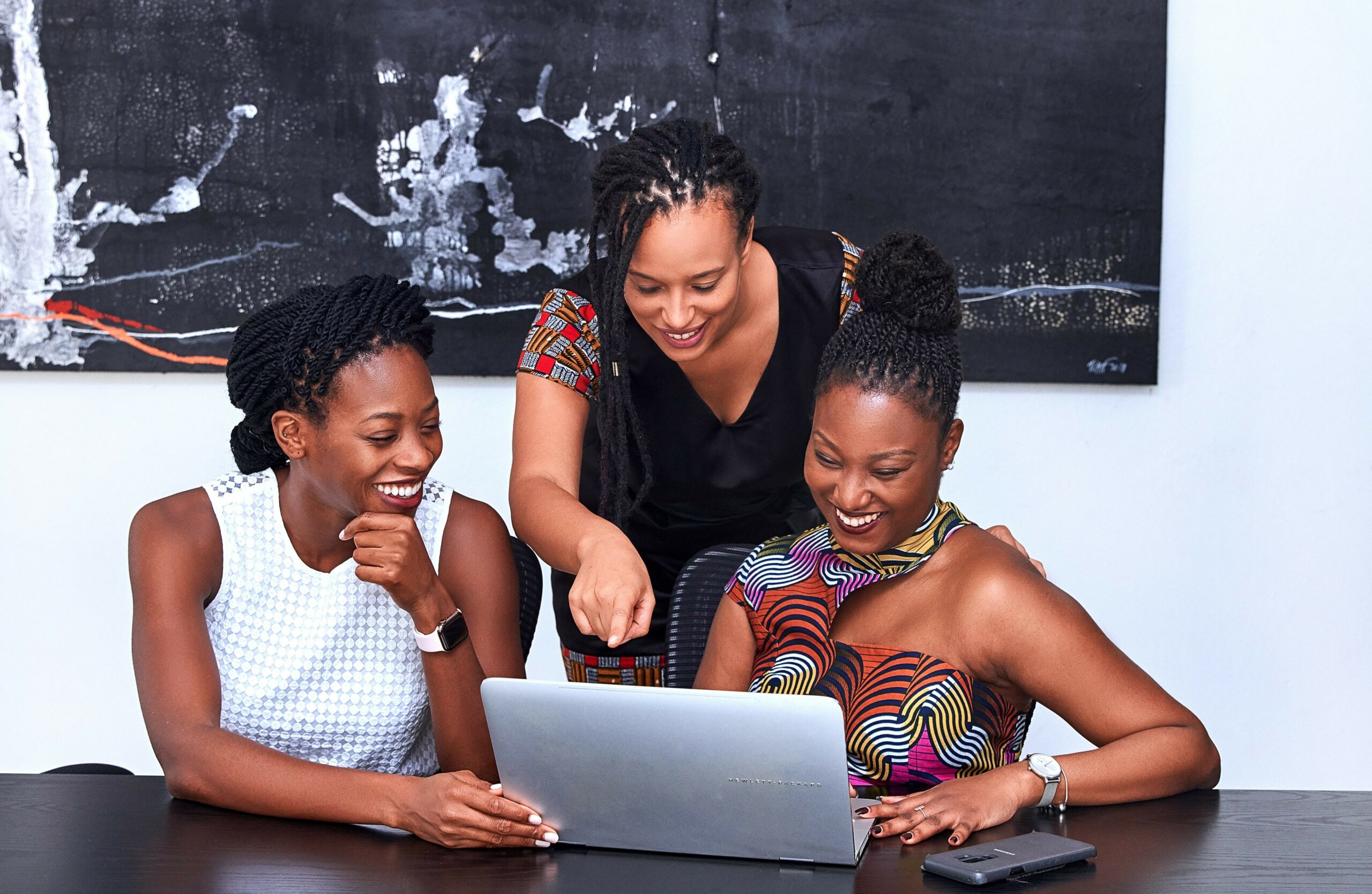
Since 2020, more Rwandan women have stepped into the labour force, raising participation by 7.4 percentage points. It sounds like empowerment. But whether it represents opportunity or economic pressure is a question worth asking.

Labour force participation measures who is working or actively seeking work. It does not measure the quality of that work. In Rwanda, a significant share of women are employed in agriculture, informal trade, and small-scale enterprises, sectors that are essential to the economy but often lack job security, steady income, or social protection.

This raises a deeper issue: are women entering higher-productivity, better-paying roles with long-term prospects? Or are more of them turning to survival-based activities to support household incomes in a changing economic landscape?

The answer matters. Participation alone does not guarantee financial independence. Without improvements in wages, formal employment, and access to capital, increased labour activity can mean more effort without greater economic power.

There is also the question of the “double burden.” Even as more women join the workforce, they continue to shoulder a disproportionate share of unpaid care and domestic responsibilities. If paid work is layered on top of existing household duties, the gain in participation may come at the cost of longer days and heavier workloads.

None of this erases the significance of the 7.4-point rise. Greater participation strengthens economies and expands resilience within families and communities. But the next chapter of Rwanda’s progress may depend less on how many women are working and more on the security, productivity, and dignity of the work they do.
The numbers are rising. The real story is what those numbers are building.

Continue Reading
Click to comment

Leave a Reply

Your email address will not be published. Required fields are marked *

Society

Rwanda’s Volcanoes National Park Featured in Global Documentary on Gorilla Conservation

Published

on

By

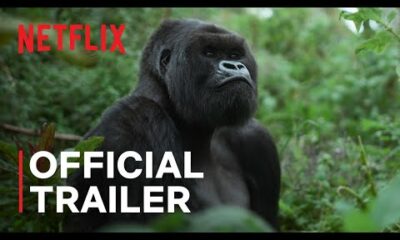
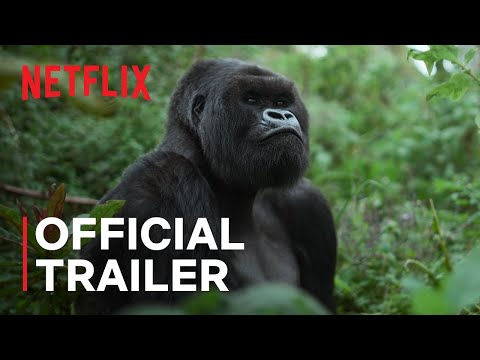
When A Gorilla Story: Told by David Attenborough premieres on Netflix on April 17, 2026, it will not simply be another wildlife documentary, it will be a deeply symbolic moment for conservation, storytelling, and Rwanda itself. Narrated by David Attenborough, the film traces the life of a mountain gorilla named Pablo, from infancy to becoming a dominant silverback, while also following the legacy of his descendants.

What makes this documentary especially powerful is its connection to Volcanoes National Park, one of the most conservation areas in Africa and home to Rwanda’s famous mountain gorillas. For Rwanda, this is more than a backdrop, it is a national symbol. The park represents one of the world’s most successful conservation stories, where careful protection, community involvement, and sustainable tourism have helped bring mountain gorillas back from the brink of extinction. By focusing on a single gorilla family within this landscape, the film personalizes a global environmental issue, turning statistics into a story people can feel.

From a broader perspective, the documentary arrives at a crucial time. Climate change, habitat loss, and biodiversity decline are no longer distant concerns, they are urgent global realities. By revisiting a relationship that began decades ago, Attenborough offers something rare: a long-term view of nature. This continuity allows audiences to see not just survival, but legacy, how one gorilla’s life connects generations and reflects the impact of conservation efforts over time.

Compared to Attenborough’s earlier works, such as Planet Earth and Our Planet, this film appears far more intimate. While those series showcased the grandeur and diversity of ecosystems across the globe, A Gorilla Story narrows its focus to a single narrative thread. This shift from sweeping global exploration to deeply personal storytelling mirrors a broader evolution in environmental filmmaking, one that emphasizes emotional connection as a catalyst for action. Instead of overwhelming viewers with scale, it draws them in through empathy.

Ultimately, the importance of this documentary lies in its ability to bridge worlds: past and present, global audiences and local realities, human stories and animal lives. For Rwanda, it reinforces its position as a leader in conservation. For the world, it is a reminder that protecting nature is not just about saving species, it is about preserving stories, relationships, and futures.

Continue Reading

Society

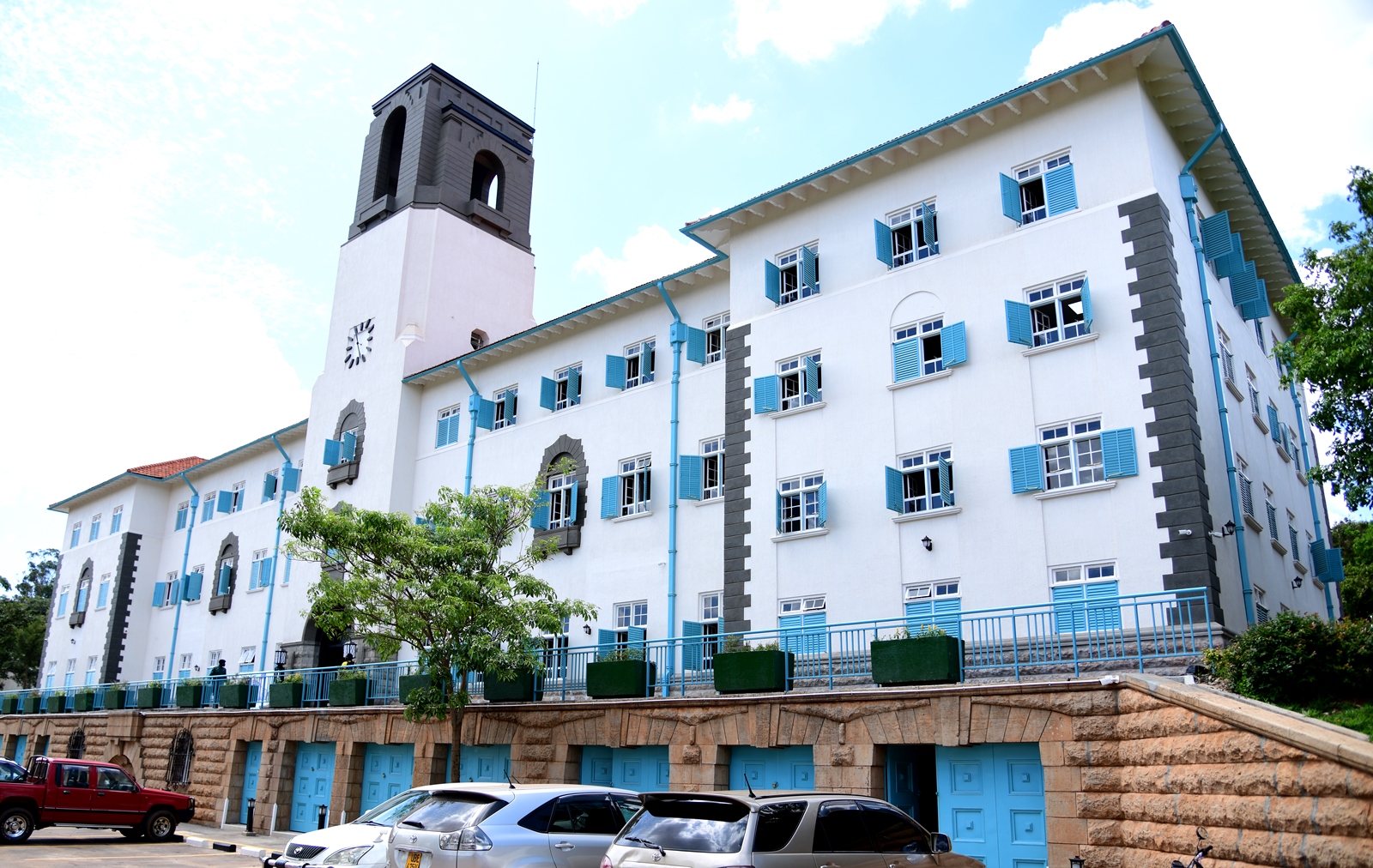
Makerere University Guild Debate Ends in Chaos as Student Supporters Clash

Published

on

By

The 92nd Guild presidential debate at Makerere University was abruptly stopped on Thursday after clashes erupted between supporters of rival candidates, forcing organizers to suspend the event.

The disruption occurred shortly after Hannah Karema, one of the candidates, concluded her speech. Supporters from opposing camps including backers of Gracious Kadondi, aligned with the National Unity Platform (NUP) began shouting and pushing each other, escalating into physical scuffles that security struggled to contain.

Maureen Owomugisha, chairperson of the Makerere University Electoral Commission, confirmed that the debate would be rescheduled once the situation stabilizes, emphasizing that student safety is the top priority.
The guild elections at Makerere are a key democratic tradition, providing a platform for candidates to present their visions to the student body. Both Karema and Kadondi had planned to outline policies on student welfare, campus facilities, and leadership reforms during the debate.

However, the tensions between their supporters reflect growing intensity in campus politics, mirroring the competitive and sometimes polarized environment of Uganda’s national political scene.

The university has not yet announced a new date for the rescheduled debate. The guild elections are expected to proceed in the coming weeks, with all registered students eligible to cast their votes.

Continue Reading

Society

Rwanda: President Paul Kagame Meets with the Muslim Community

Published

on

By

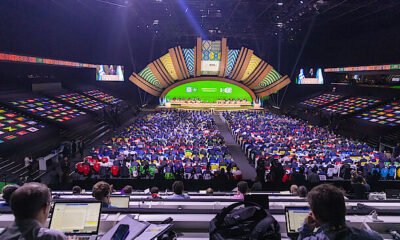
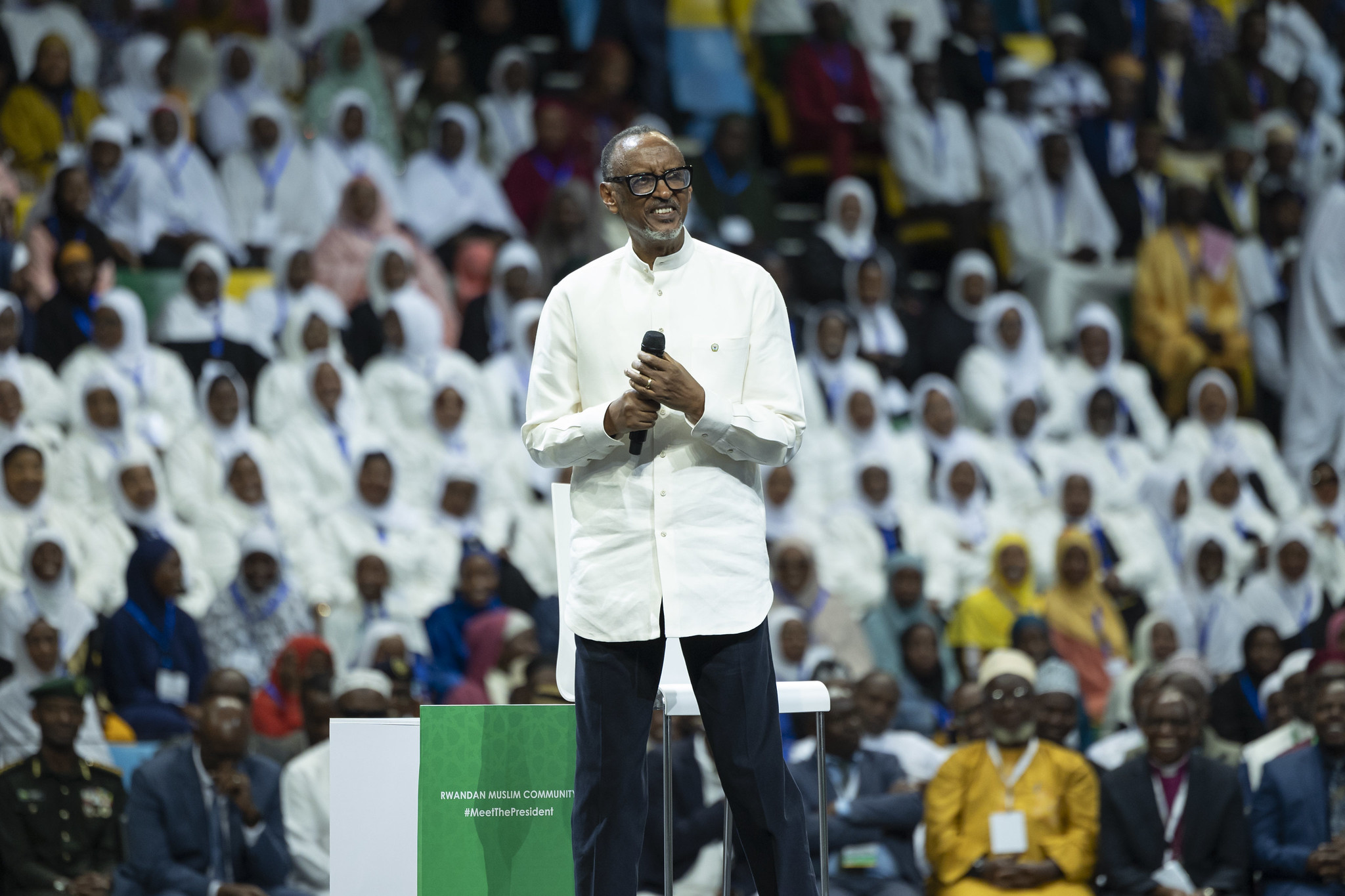
On 25 March 2026, thousands gathered at BK Arena in Kigali for a landmark engagement between President Paul Kagame and Rwanda’s Muslim community. The “Meet the President” session was not a ceremonial event, it was a candid, two-way dialogue that brought real concerns, direct responses, and clear expectations to the forefront.

From the outset, President Kagame set the tone by clarifying that while religion plays an important role in people’s lives, his responsibility as a leader is to ensure unity, fairness, and national development. His message was consistent throughout: faith must go beyond belief and translate into discipline, responsibility, and tangible contributions to society.

One of the most significant exchanges came when a community member raised concerns about restrictions on the early morning call to prayer (Adhan). The issue, described as deeply felt within the Muslim community, was addressed directly by the President. Kagame acknowledged its importance and expressed support for restoring the practice while emphasizing the need to balance religious freedom with public order. This response stood out as a clear and immediate policy signal.

Another key concern came from Muslim leaders regarding delays in securing land for a national headquarters. In response, President Kagame committed that the matter would be resolved within the year, reinforcing the government’s willingness to support institutional development within the community.

Beyond these specific issues, Kagame used the platform to deliver a broader message about unity and responsibility. He acknowledged the historical marginalization of Muslims in Rwanda, contrasting it with their current position as fully recognized and active participants in national life. However, he challenged the community to manage its internal differences and remain cohesive, stressing that progress brings responsibility.

The President also spoke firmly about the role of religion in society. He urged religious leaders and followers alike to ensure that faith leads to ethical behavior, strong values, and solutions to real-life challenges. Religion, he emphasized, should uplift communities not divide them or remain disconnected from everyday realities.

A recurring theme throughout the dialogue was self-reliance. Kagame encouraged the Muslim community to actively participate in Rwanda’s development, reminding attendees that progress depends not only on government support but also on individual and collective effort.

The atmosphere of the event was open and engaged. Community members voiced concerns honestly, and the President responded without evasion combining immediate answers with long-term expectations.

Faith, unity, and responsibility, this was the message that defined the conversation.

Continue Reading

Trending

Copyright © 2026 Africadigitmedia.net. Website powered by ProDigit.