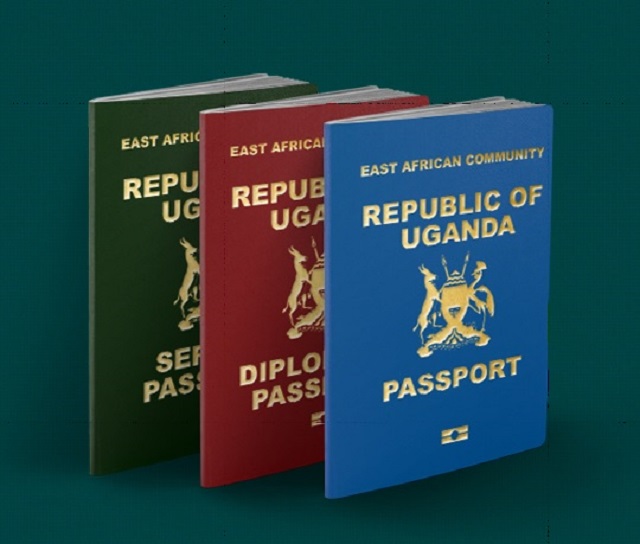
Uganda unveiled its first-ever National Migration Policy, marking a significant milestone in the country’s approach to managing human movement. The policy provides a unified framework for regulating migration, protecting migrant rights, and linking migration with national development priorities.
The policy, approved by Cabinet in August 2025 and formally launched in March 2026 by Vice President Jessica Alupo, comes in response to increasing migration challenges in the country. Uganda hosts nearly two million refugees and experiences growing labor migration, particularly to the Middle East, highlighting the need for clearer guidelines and stronger institutional coordination.
Government officials say the policy aims to create a predictable and secure environment for the legal movement of people while maximizing the social and economic benefits of migration. It emphasizes the protection of vulnerable groups, including women, children, the elderly, and persons with disabilities, and seeks to integrate the Ugandan diaspora into national development planning through remittances and knowledge exchange.
The policy also addresses broader regional considerations. Uganda is part of multiple regional agreements, including the East African Community (EAC) and the Intergovernmental Authority on Development (IGAD), and the policy is designed to harmonize domestic migration governance with these frameworks. Officials hope this will enhance regional cooperation and ensure that Uganda continues to play a constructive role in managing migration across borders.
Implementation will focus on strengthening institutional capacity, improving migration data systems, and coordinating across government agencies. Authorities have noted that while the policy does not replace existing refugee or labor laws, it provides a cohesive structure that brings together all aspects of migration management, from border control to labor mobility.
Analysts say the new policy positions Uganda to better respond to the challenges of modern migration, including irregular movement, human trafficking, and refugee integration, while also leveraging migration as an engine for economic growth. By establishing clear guidelines and enhancing coordination, Uganda aims to create a system that balances security, rights, and development benefits.