Connect with us

Health

Mombasa Doctors Begin Strike After County Fails to Address Grievances

Published

on

Mombasa, Kenya – Doctors across Mombasa County went on strike from midnight on March 3, 2026, following the expiry of a seven‑day notice to the county government.

The industrial action started at Coast General Teaching and Referral Hospital, the county’s largest public facility. Health workers cited unresolved governance issues, staffing concerns, and the suspension of the hospital CEO as reasons for the strike.

During the strike, hospitals are providing emergency care only, while outpatient clinics, elective surgeries, and routine services have been suspended.

The Kenya Medical Practitioners, Pharmacists and Dentists Union (KMPDU) called on county authorities to address salary disputes, stalled career progression, and administrative concerns immediately. Union officials warned the strike could continue until meaningful dialogue takes place.

Continue Reading
Click to comment

Leave a Reply

Your email address will not be published. Required fields are marked *

Health

Meningitis: A Fast-Moving Threat That Can Hit Anywhere

When a Deadly Infection Shows How Close Danger Really Is

Published

on

By

It was mid-March 2026 in Canterbury, United Kingdom, and the campus of the University of Kent was alive with students rushing to classes, hanging out in dorms, and meeting friends at local cafes and nightclubs. But beneath the ordinary bustle, a hidden threat was spreading. Two students fell seriously ill in the span of just a few days. By the time medical staff realized the severity, both had tragically died. Within a week, more than a dozen others were hospitalized, all showing similar severe symptoms: fever, headache, vomiting, stiff neck, and rashes.

What made this outbreak so alarming was how fast it moved. Meningitis bacteria, which live in the nose and throat of some carriers, can spread quietly through close contact, sharing drinks, food, cigarettes, or even just a crowded dorm room. Universities are perfect breeding grounds: students socialize, live in close quarters, and attend large gatherings. In this case, health investigators suspect that one or more social events, including a nightclub gathering, helped the bacteria leap from person to person.

Meningitis, by definition, is an infection that inflames the membranes around the brain and spinal cord. The term comes from “meninges,” meaning the protective layers around the brain, and “-itis,” meaning inflammation. Though the disease often starts with flu-like symptoms, it can escalate rapidly. That’s why the two students died so quickly, the infection attacks the body fast, sometimes in just hours, and without immediate treatment, it can be fatal.

The outbreak at this specific university is not about the campus itself being “bad” or unsafe. It’s a combination of biology and environment: close living spaces, social habits, and a strain of bacteria that some students had not been vaccinated against. Once one person got infected, the others who were in close contact became vulnerable, creating a chain reaction that authorities had to act on immediately.

For Africans reading this story, it matters because meningitis is not confined to the UK. The same bacteria exist across the world, including the “meningitis belt” of sub-Saharan Africa, where seasonal outbreaks are common. Students traveling to the UK, families with loved ones studying abroad, or travelers returning from affected areas can all be at risk. Knowing the symptoms, acting quickly, and keeping vaccinations up to date can prevent tragedy.

The outbreak in Canterbury is a reminder that meningitis is fast-moving, deadly, and unpredictable, but also preventable. Awareness, early treatment, and proper hygiene can save lives whether in the dorms of England or the crowded streets of anywhere in Africa.

Continue Reading

Health

Young Americans Under 55 Dying More from Severe Heart Attacks

Published

on

By

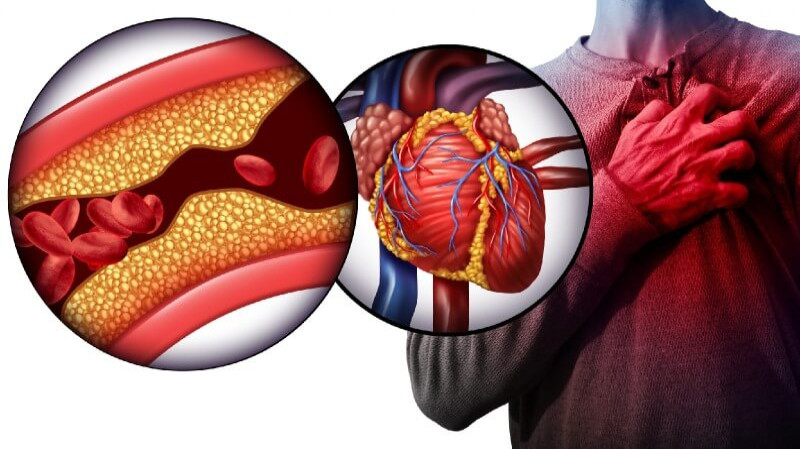
A study published on February 26, 2026 in the Journal of the American Heart Association has found that deaths among young and middle-aged Americans hospitalized for severe heart attacks increased between January 1, 2011, and December 31, 2022.

The research examined nearly one million hospitalizations involving adults aged 18 to 54 diagnosed with ST-elevation myocardial infarction (STEMI), a life-threatening heart attack caused by complete blockage of a coronary artery.

While men accounted for most of the cases recorded during the 12-year period, women under 55 were more likely to die in hospital following a severe heart attack compared to men of the same age group.
Researchers attribute the trend to rising rates of high blood pressure, diabetes, obesity, smoking and substance use among younger populations. They also note that women often experience less typical symptoms, which may delay diagnosis and treatment.

Health experts warn that heart disease is no longer limited to older adults and are urging younger people to undergo regular medical check-ups, monitor blood pressure and cholesterol levels, and seek immediate care when symptoms appear.

Continue Reading

Health

Balancing Care and Control: Cuban Medical Programs Under U.S. Spotlight in Africa

U.S. scrutiny follows Kenya’s health cooperation deal, raising questions about workforce strategy and national healthcare planning


Published

on

By

President Donald Trump, now in his second term, has turned renewed attention toward Cuba’s overseas medical missions, programs that have for decades sent Cuban doctors to countries around the world. His administration, with statements recently reinforced by Secretary of State Marco Rubio, has criticized these programs as exploitative, arguing that while doctors provide vital services abroad, most of their earnings are collected by the Cuban government, and their freedom of movement can be restricted. Kenya, which has a long history of collaboration with Cuba in health, was specifically mentioned in these comments.

Kenya’s partnership with Cuba has historically focused on deploying doctors to underserved regions, strengthening community health services, and providing technical training. These programs have improved access in areas where local resources are limited, but they have also raised deeper questions about the long-term management of the country’s health workforce. The presence of foreign medical teams brings immediate relief, yet it also forces governments to consider how to maintain quality standards, integrate foreign-trained personnel with local staff, and ensure that local doctors and nurses have the training and opportunities to lead their own healthcare systems.

The debate extends beyond politics into the core of health system governance. African governments like Kenya’s must weigh the short-term benefits of foreign medical assistance against the need to build sustainable national capacity. This includes making difficult decisions about training standards, career pathways, wages, and overall workforce planning. The way these programs are structured can affect morale, retention, and equity among healthcare workers, while also shaping how much control a country retains over its own health policy and resource allocation.

Cuba defends its programs as solidarity-based initiatives that bring expertise and care to regions in need, and emphasizes that participating doctors receive salaries and benefits. Critics, however, highlight the imbalance between state control and individual autonomy, sparking conversations about fairness, labor conditions, and long-term development. For African nations, these discussions are not simply about who provides care today, but about how to design health systems that remain resilient, self-sufficient, and responsive to local needs in the future.

As the Trump administration continues to influence U.S. foreign policy, including pressures on Cuba’s medical missions, countries across Africa are carefully navigating how to engage in foreign partnerships while protecting national health sovereignty and workforce strategy. The choices they make now will shape the effectiveness of healthcare delivery, the development of local medical professionals, and the ability to respond to public health challenges for decades to come.

Continue Reading

Trending

Copyright © 2026 Africadigitmedia.net. Website powered by ProDigit.