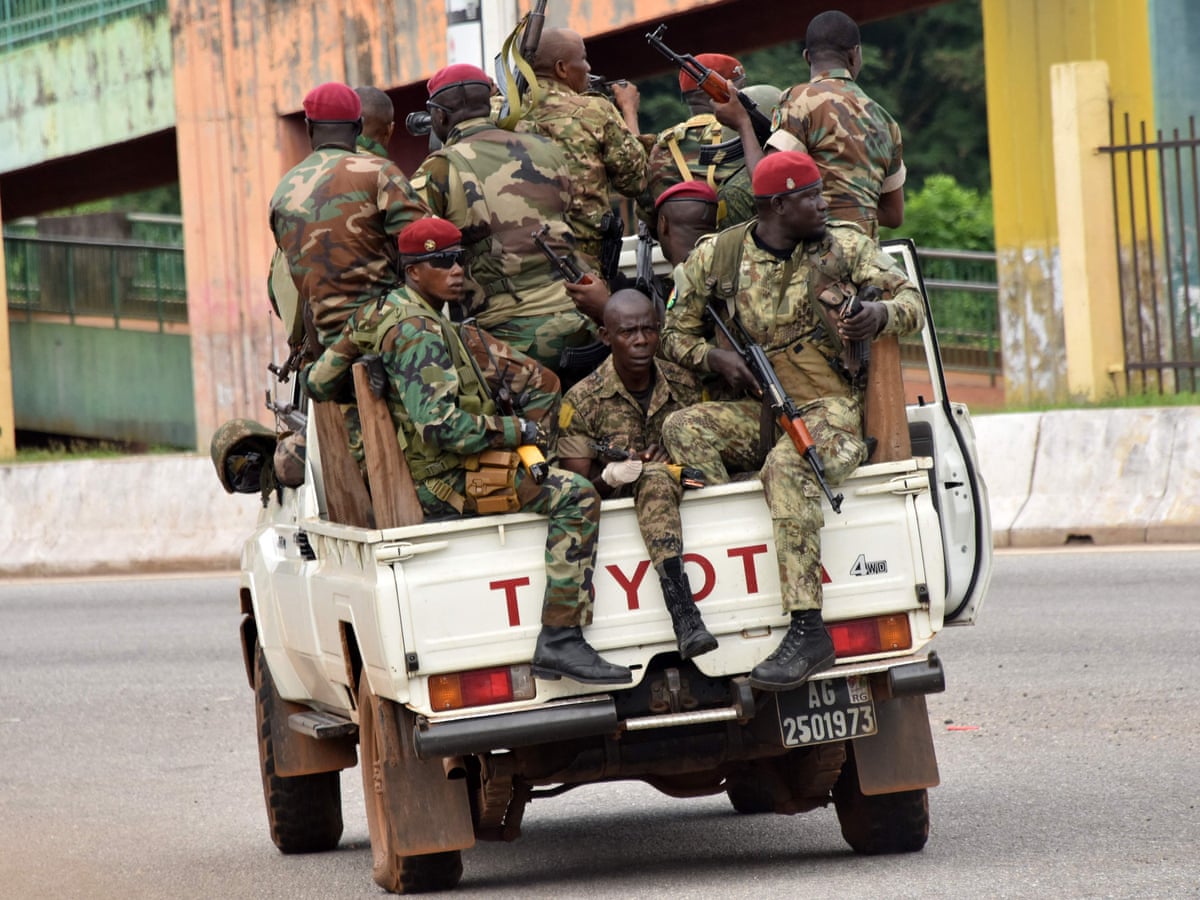
A stretch of river meant to separate neighbours has instead exposed the fragility of peace between them. Just a day after leaders from Liberia, Guinea and Sierra Leone met in Conakry to reaffirm commitments to cross-border stability, armed Guinean troops moved into Liberia’s Lofa County, unsettling communities and complicating the very assurances their governments had made.
Residents near the Makona River, long regarded as a natural boundary, reported seeing soldiers cross toward villages around the Sorlumba area. For locals, the distinction between a patrol and an incursion mattered little. Some families fled, others waited anxiously, unsure whether the movement signaled a misunderstanding or something more deliberate.
The timing has proved particularly awkward. The Conakry summit had been framed as a reset moment, with regional leaders emphasizing dialogue, cooperation and the importance of preventing precisely this kind of incident. Yet the events in Lofa County suggest a persistent gap between diplomatic commitments and realities on the ground, where borders remain porous and communication uneven.
Liberian authorities moved quickly to contain the situation, monitoring troop activity while opening channels with their Guinean counterparts. Officials stressed restraint, seeking to reassure citizens without inflaming tensions. Joseph Nyuma Boakai, addressing the nation, struck a careful balance, urging calm while reaffirming the government’s commitment to peace. Dialogue, he noted, should not be mistaken for weakness.
Regional bodies, including the Mano River Union, have echoed that message, calling for closer coordination between military commanders and border communities. Such mechanisms exist precisely to prevent small incidents from escalating. But their effectiveness depends on trust, and on consistent adherence from all sides.
Incursions along West Africa’s borders are not new. Colonial-era boundaries, limited infrastructure and local disputes have long created conditions for confusion and confrontation. What makes this episode notable is its proximity to a high-level diplomatic effort meant to ease tensions, highlighting how quickly progress can be tested.
For Liberia, the challenge now is twofold: to reassure a nervous population while preserving relations with a neighbour it cannot afford to alienate. For the region, the lesson is more sobering. Agreements signed in conference halls carry weight only when they are matched by discipline and clarity in the field.
Along the Makona River, that alignment remains uncertain.












 Politics6 hours ago
 Politics6 hours ago

 Politics6 hours ago