Connect with us

Business

Lake Solai Land Grab? Kenyans Say No Way

Published

on

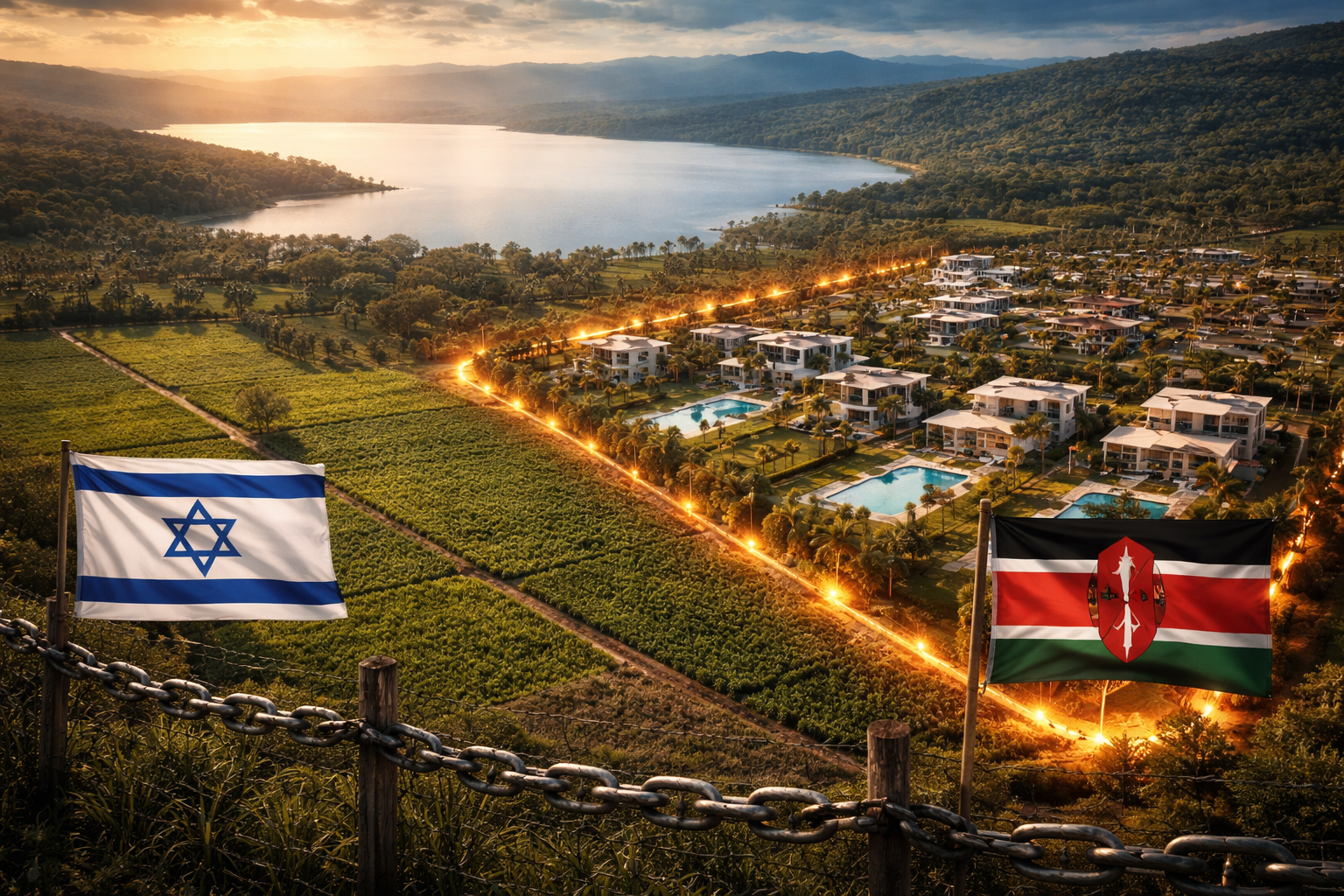
A plan by an Israeli investor to develop 520 acres near Lake Solai into luxury homes for both Kenyan and Israeli buyers has triggered nationwide debate. Promising modern housing, commercial plots, agricultural infrastructure, and tourism-driven growth, the project is framed as economic opportunity but many Kenyans see it as a symbol of persistent inequality, opaque land ownership, and historical marginalization of local communities.

Land in Kenya carries deep cultural, political, and historical significance. Colonial-era dispossession concentrated fertile land in settler hands, and independence did not fully resolve these inequalities. Large-scale foreign investment, especially marketed for luxury rather than local benefit, is particularly sensitive.

Legally, foreigners can hold land through long-term leaseholds via Kenyan companies. Yet marketing materials implying “freehold” ownership, combined with limited public communication, have fueled suspicion. Online discourse has amplified this, blending local grievances with broader geopolitical fears.

Israel has a history of outward property investment, and the project aligns with global trends rather than mass migration. But in Kenya, it raises concerns about foreign control over strategic land and the long-term impact on local communities.

Critics argue that land of this scale should:

  • Prioritize local communities through jobs, housing, and enterprise.
  • Operate with full transparency regarding ownership and rights.
  • Respect Kenya’s historical and social realities.

Officials emphasize potential benefits: employment, tourism, skills transfer, and cross-cultural exchange. Still, public response underscores a broader challenge: balancing global capital with national interest, historical justice, and community rights.

The Solai development is more than a project, it is a test of Kenya’s approach to land, sovereignty, and inclusion.

Questions remain: Who decides the future of Kenyan land? Who truly benefits? And how will its legacy be remembered?

Continue Reading
Click to comment

Leave a Reply

Your email address will not be published. Required fields are marked *

Business

EU Pours €290 Million into Nigeria’s Jobs, Health, and Digital Growth

Published

on

By

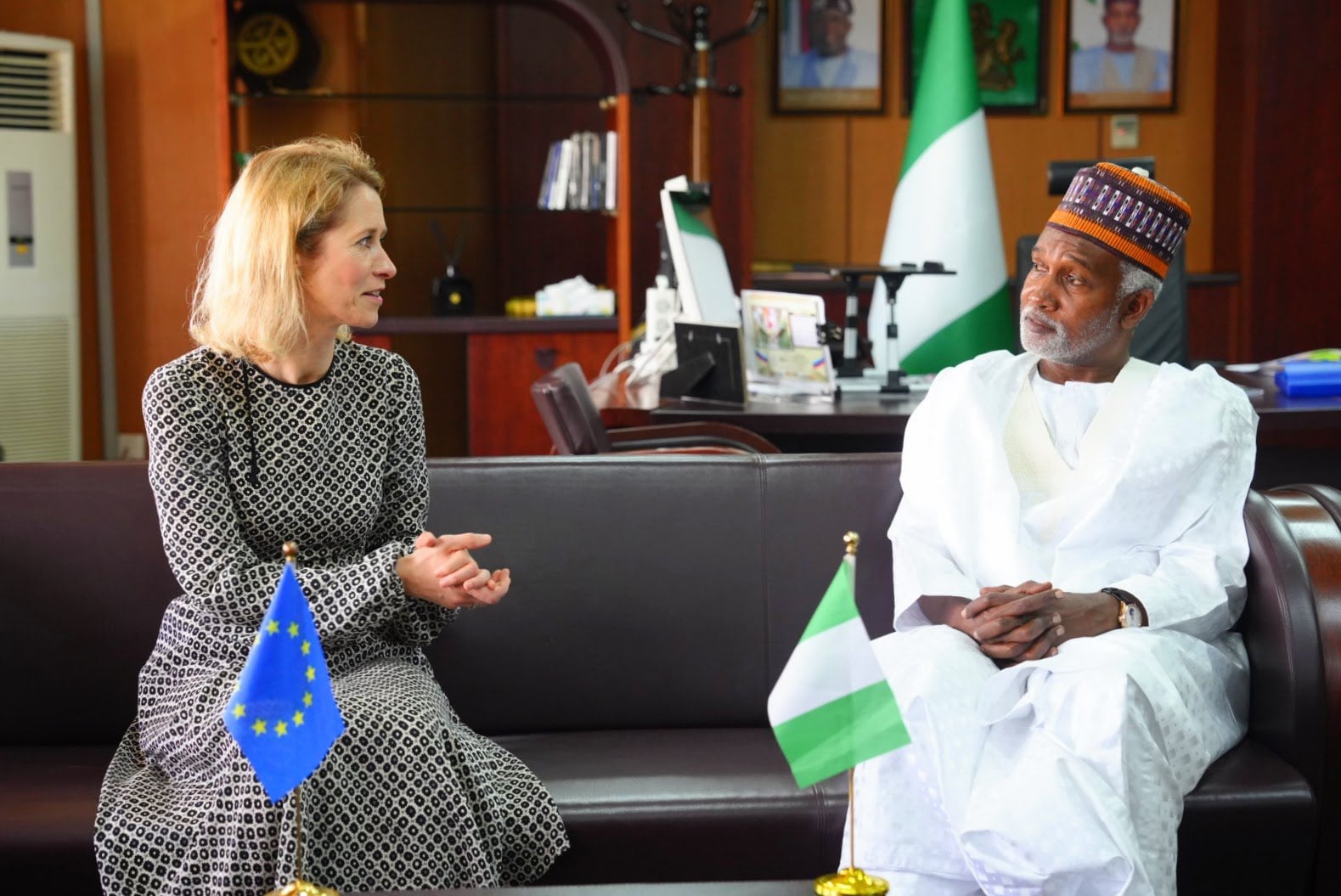
In a bold move that could reshape Nigeria’s economy, the European Union has announced a €290 million investment package aimed at boosting digital connectivity, healthcare, and agriculture. The announcement came this week during a high-level meeting in Abuja between Nigerian officials and EU representatives.

Unlike traditional aid, this is real investment, designed to create jobs, strengthen industries, and support long-term growth. For Nigerians, this could mean better access to the internet, more locally made medicines, and improved farming practices that bring higher yields and income.

A significant portion of the funds will go toward digital infrastructure. This means faster, more reliable internet, better connectivity for businesses, and support for Nigeria’s booming tech and start-up sector.
The healthcare sector will also benefit. With investment in local pharmaceutical manufacturing, more Nigerians can access affordable, essential medicines without relying on imports, improving public health and strengthening the country’s medical resilience.

Farmers and the agricultural sector are not left out. The EU funding will help modernize farming techniques, increase crop production, and improve access to markets. Smallholder farmers could see better incomes and communities could enjoy stronger food security.

Beyond funding, Nigeria and the EU are exploring new partnerships in areas like critical raw materials, cybersecurity, and trade. This shows the relationship is moving beyond aid into a strategic partnership that could transform Nigeria’s economic landscape.

For everyday Nigerians, the benefits are clear: more jobs, better healthcare, faster internet, and a stronger agriculture sector. The €290 million package is expected to roll out soon, with tangible results that could touch millions of lives across the country.

This investment signals a new era for Nigeria, one where international partnerships drive local growth, modern infrastructure, and economic empowerment for citizens.

Continue Reading

Business

Egypt to Pay $1.3B in Arrears to Foreign Oil Companies by June

Cairo moves to settle debts, restore confidence in energy sector

Published

on

By

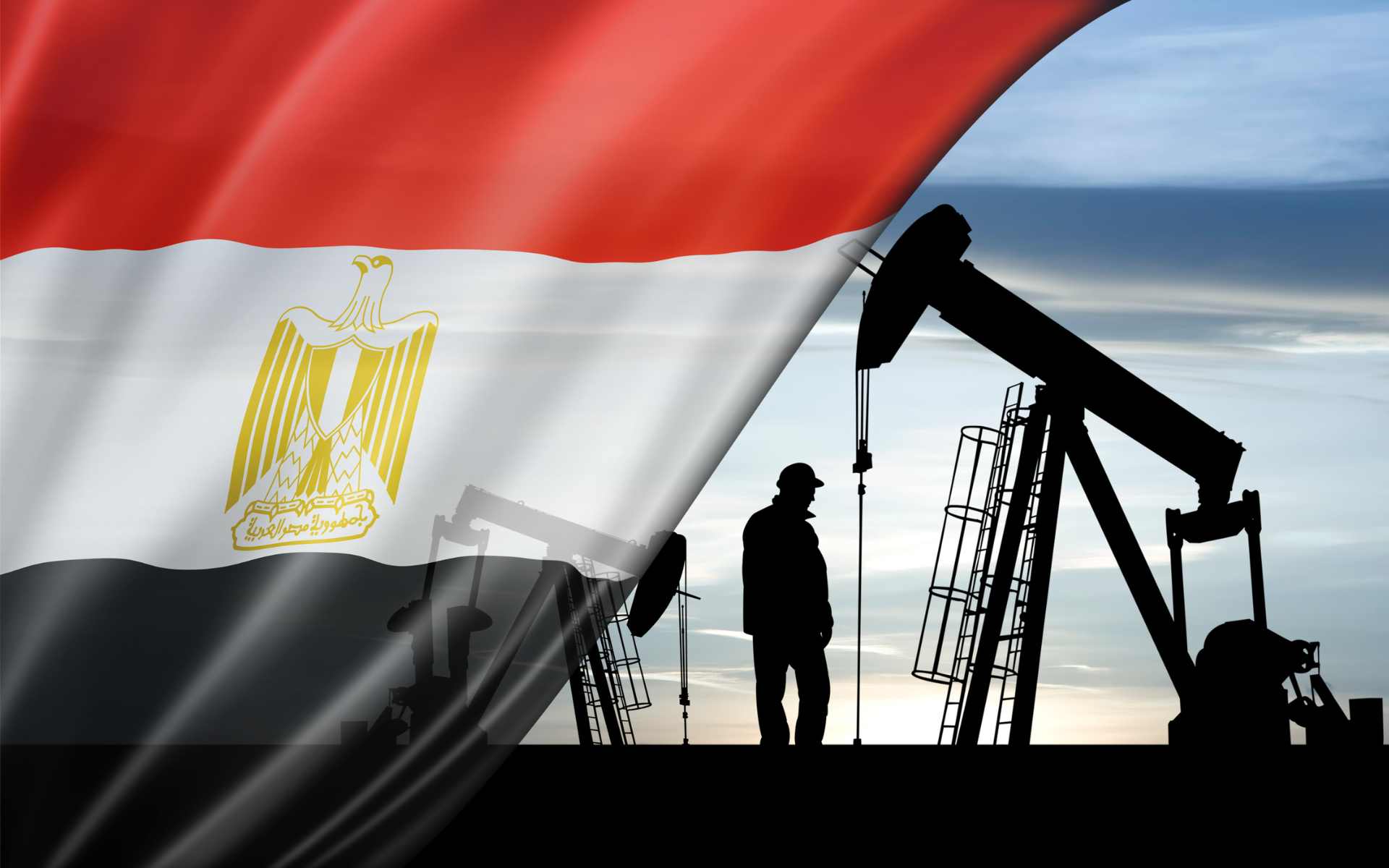
Egypt has announced it will pay $1.3 billion in overdue funds to international oil companies by June 30, 2026, the Petroleum Ministry said. The move aims to stabilize the country’s energy sector and encourage foreign investment.

The arrears, accumulated due to foreign currency shortages and economic challenges, had slowed oil and gas production and delayed new exploration projects. Authorities say paying off these debts will reassure foreign partners and could help reverse declines in domestic output.

Cairo has already reduced some of its outstanding arrears in recent years and plans to maintain regular monthly payments while clearing legacy debts. Officials stress that this settlement is key to securing long-term energy investment and reducing reliance on imported fuel.

Analysts note that clearing the backlog could make Egypt a more attractive destination for oil and gas firms, while supporting the country’s broader economic and energy goals.

Continue Reading

Business

Ghana enters the lithium race as demand for battery metals surges

Published

on

By

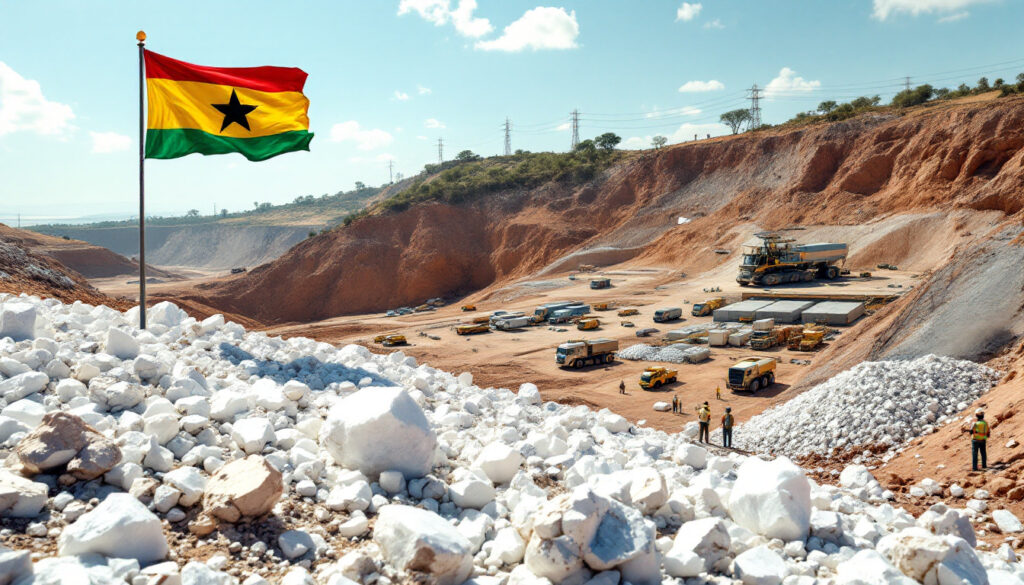
Accra, March 20, 2026 — Ghana has taken a decisive step into the future of energy, with Parliament approving a landmark lithium mining agreement with Barari DV Ghana Limited, clearing the way for commercial extraction at the Ewoyaa deposit in the Central Region. The decision places Ghana firmly within a fast-accelerating global race for lithium, a mineral now essential to electric vehicles, battery storage, and the broader transition to renewable energy.

At its core, the Ewoyaa project represents more than a new mining venture. Structured as a 15-year lease, the agreement ties royalties to international lithium prices while committing to local development, signaling an effort to align national benefit with global demand. Government officials have framed the move as a strategic shift away from dependence on traditional exports such as gold, toward a position within the high-value battery minerals supply chain. If successful, the project could generate substantial revenue, create jobs, and attract further investment into Ghana’s industrial future.

Yet the approval has not come without debate. Opposition lawmakers questioned whether the terms adequately safeguard long-term national interests, particularly in a market where lithium’s strategic importance continues to grow. Concerns around revenue-sharing, local participation, and environmental protection reflect a deeper tension, one that extends far beyond Ghana about how resource-rich countries can balance immediate economic opportunity with lasting sovereignty.

That tension is playing out across Africa, where lithium has become central to economic planning and geopolitical relevance. In the Democratic Republic of the Congo, lithium prospects in the mineral-rich Katanga region exist alongside vast cobalt reserves, even as environmental degradation and unsafe artisanal mining practices remain persistent challenges. Zimbabwe, already one of the continent’s leading lithium producers, is attracting renewed global investment in projects like Bikita and Arcadia, while debates intensify over how the benefits are distributed. In Namibia, emerging developments in Karibib and Erongo are facing scrutiny over water usage and environmental approvals, underscoring the ecological stakes tied to extraction. Mali’s Goulamina deposit continues to draw international attention despite regulatory uncertainty and security risks, while Botswana is cautiously exploring lithium potential in Sua Pan, balancing new ambitions with its established salt and soda ash industries.

Taken together, these developments point to a continent in transition. Africa is no longer simply a source of raw materials, but an increasingly important player in the global energy economy, with lithium at the center of that transformation. The challenge now lies in ensuring that this shift translates into sustainable growth, that extraction leads to industrialization, that investment builds local capacity, and that environmental and social safeguards keep pace with ambition.

For Ghana, the Ewoyaa deal is both an opportunity and a test. It marks the country’s entry into one of the world’s most competitive and consequential resource sectors, while raising fundamental questions about how that participation will be managed. The approval signals intent, but the outcome will depend on execution.

In a world rapidly reorganizing around clean energy, Ghana has made its move. What follows will determine whether it merely joins the race or helps define it.

Continue Reading

Trending

Copyright © 2026 Africadigitmedia.net. Website powered by ProDigit.