Connect with us

Politics

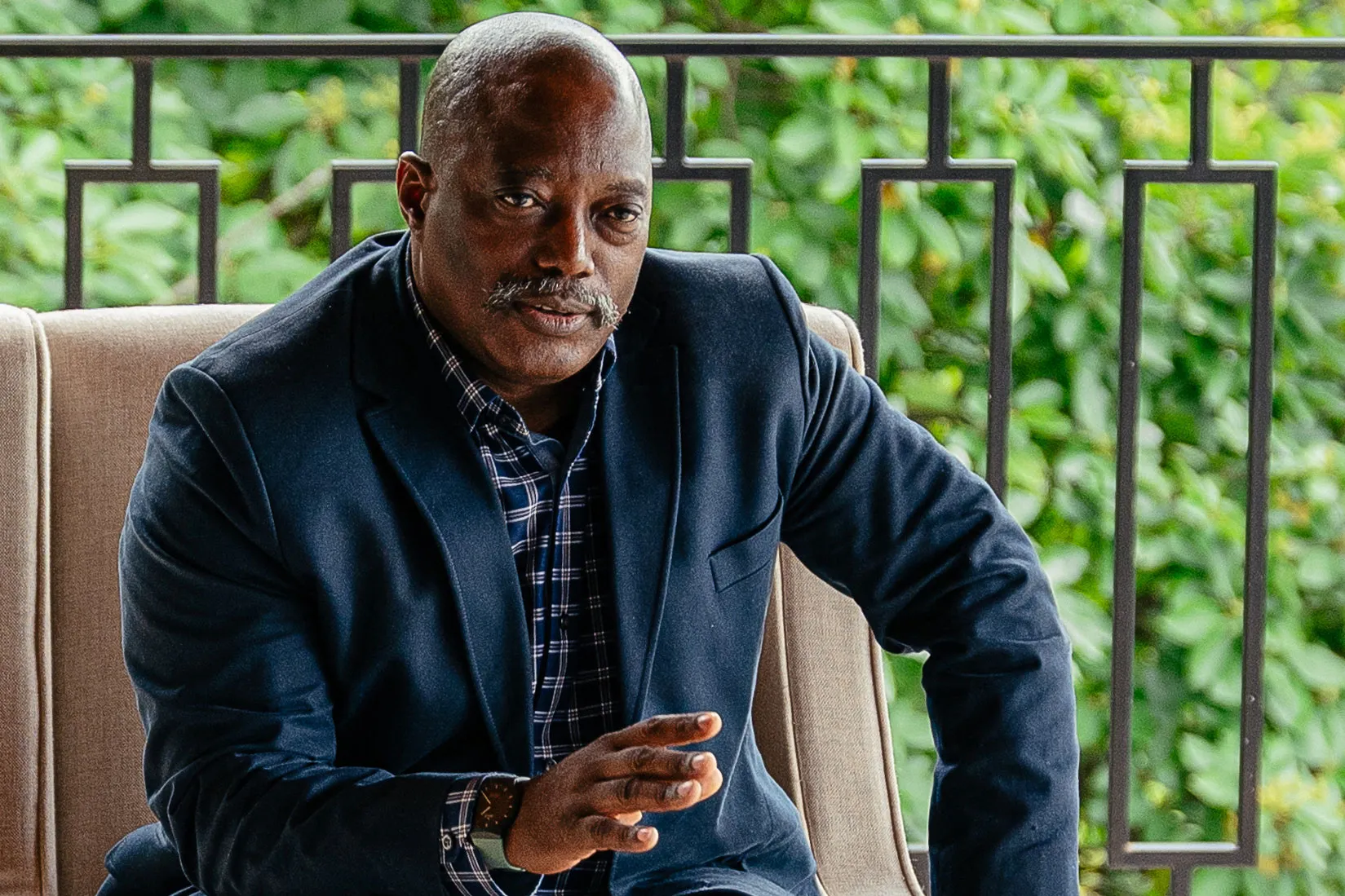
Joseph Kabila Faces Washington Sanctions

Published

on

As Washington targets Kabila over alleged rebel links, Congo’s former president becomes the latest African ex-leader whose legacy is being rewritten by conflict, power struggles, and geopolitical fallout.

At 29, Kabila became one of the world’s youngest presidents after the 2001 assassination of his father, Laurent-Désiré Kabila, who had seized power four years earlier by overthrowing longtime dictator Mobutu Sese Seko. The younger Kabila inherited a nation at war, with the Democratic Republic of Congo serving as the epicenter of what became known as Africa’s World War, a brutal regional conflict involving multiple neighboring states and millions of deaths.

Initially, Kabila presented himself as a pragmatic reformer. He helped negotiate peace accords that formally ended the Second Congo War and oversaw the country’s first democratic elections in decades in 2006, winning the presidency and later securing reelection in 2011. To many international observers, he was viewed as a stabilizing force in one of Africa’s most volatile nations.

But Kabila’s presidency gradually became synonymous with entrenched corruption, political repression, and democratic erosion.

As constitutional term limits approached in 2016, Kabila delayed elections, citing logistical and security concerns. Critics, opposition leaders, and international watchdogs accused him of orchestrating a calculated power grab. Violent protests erupted across Congo as citizens demanded his departure. Security crackdowns left dozens dead, and Kabila increasingly came to symbolize the fragility of democratic governance in resource-rich but conflict-ridden states.

When he finally handed power to Félix Tshisekedi in 2019 following disputed elections, it marked Congo’s first peaceful transfer of presidential authority. Yet many analysts argued Kabila had not truly relinquished control. Through political alliances, military influence, and business networks, he remained one of the country’s most powerful behind-the-scenes actors.

That shadow influence has now become the focus of severe international scrutiny.

On April 30, 2026, the United States imposed sanctions on Kabila, accusing him of materially supporting the M23 rebel movement and its broader Congo River Alliance coalition armed groups blamed for destabilizing eastern Congo through violence, displacement, and territorial offensives. U.S. authorities allege Kabila provided political and financial backing to forces seeking to weaken President Tshisekedi’s government and expand insurgent influence.

Kabila has forcefully denied the accusations, dismissing the sanctions as politically motivated and unsupported by credible evidence. His allies argue he is being targeted as part of a broader campaign to erase his political relevance.

However, the sanctions add to an already devastating series of legal and political blows.
In 2025, Congolese military courts sentenced Kabila to death in absentia on charges including treason, war crimes, and crimes against humanity accusations directly tied to alleged support for armed factions in eastern Congo. His political party has faced suspension, his domestic influence has narrowed, and his presence in exile largely centered in South Africa has become emblematic of his fall from formal power.
Yet despite his exile, Kabila’s name continues to loom large over Congo’s fragile security and political landscape.

For President Tshisekedi, Kabila represents both a domestic rival and a symbol of the unresolved elite power structures that have repeatedly undermined Congolese sovereignty. For international powers, he increasingly embodies concerns over former leaders who retain enough influence to shape national crises from outside formal office.

Kabila’s evolution from wartime successor to elected president, delayed democrat, and now sanctioned political outcast reflects the deeper struggles of the Democratic Republic of Congo itself: a nation rich in resources, burdened by conflict, and persistently haunted by the unfinished business of past regimes.
His story is no longer simply about one former president’s fall from grace.

It is about how power in modern Africa can endure beyond constitutions, elections, and official titles and how the legacies of former rulers can continue to shape the fate of nations long after they leave office.

Continue Reading
Click to comment

Leave a Reply

Your email address will not be published. Required fields are marked *

Politics

MAX VERSTAPPEN WEIGHS IN AS RWANDA PREPARES TO BRING FORMULA 1 BACK TO AFRICA

Published

on

By

The four-time world champion has addressed the controversy surrounding Rwanda’s Grand Prix deal, as the country prepares for Formula 1’s return to the continent after more than three decades.

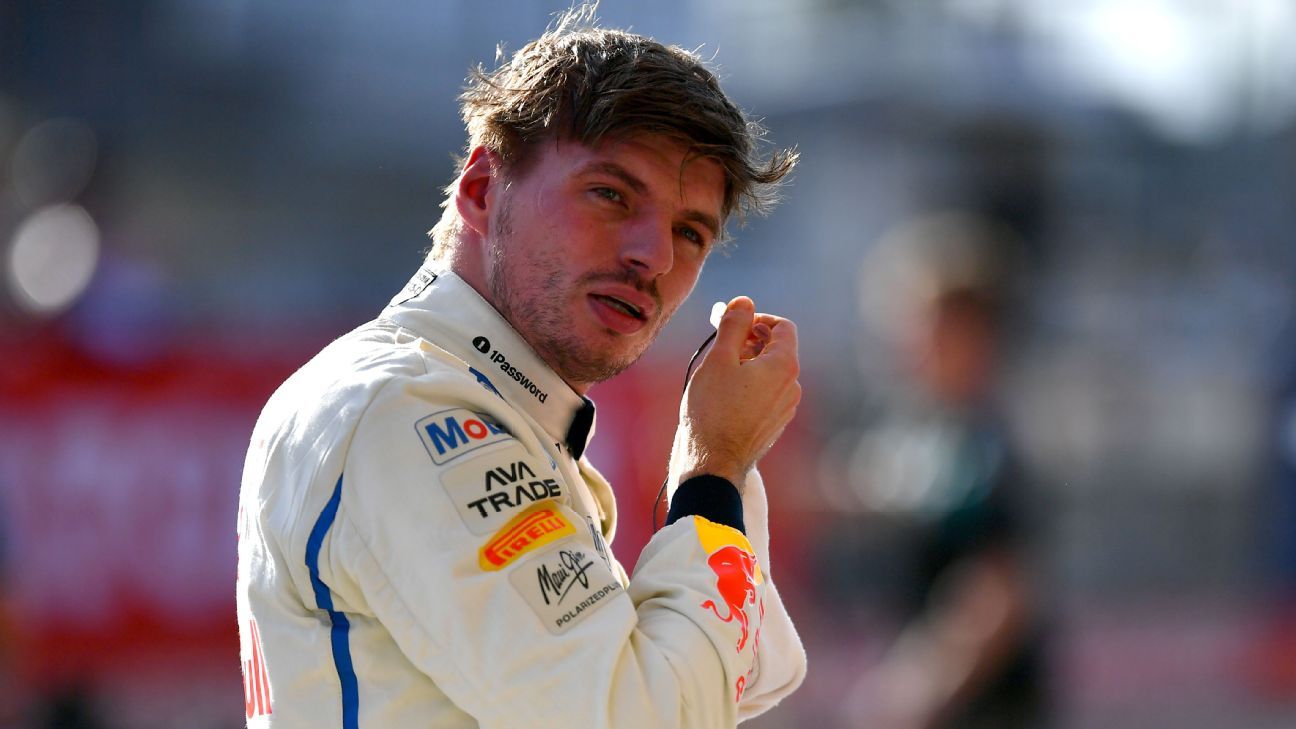
Max Verstappen is not ruling out racing in Rwanda. But the four-time Formula 1 world champion is not making promises about it either.

Speaking to Dutch journalists after qualifying for the United States Grand Prix in Austin on October 25, Verstappen was asked about the controversy surrounding Rwanda’s planned Grand Prix, including concerns over the country’s political situation and regional tensions with the Democratic Republic of Congo.

His response was brief: such concerns, he argued, could be raised about many countries around the world.

Asked about the possibility of competing in Rwanda, the Red Bull driver remained noncommittal. He said they would see when the time came, adding that he had visited the country before and considered it a nice place.

The comments put one of Formula 1’s biggest names into a conversation that will follow Rwanda as it prepares to host the sport in the early 2030s. They do not amount to an unconditional endorsement of the project, but they reflect a willingness to leave the question of racing there open.

A return that has taken more than 30 years

On October 13, Formula 1 announced a 10-year agreement to bring the championship back to Africa, with Rwanda set to host the Formula 1 African Grand Prix.

The sport last raced on the continent in 1993, when South Africa hosted the Grand Prix at Kyalami. Since then, Africa has remained absent from a championship that has expanded across Europe, Asia, the Americas and the Middle East.

Rwanda’s proposed circuit will be built in Bugesera, around 40 kilometres south of Kigali and near the new Kigali International Airport. The project is part of a wider ambition to attract international events, investment and tourism.

The inaugural race is expected in the early 2030s, although the precise date and further development milestones are yet to be announced.

Verstappen is already familiar with Rwanda. He visited Kigali in December 2024 for the FIA Awards ceremony, where he received his fourth consecutive drivers’ world championship trophy. Before the Grand Prix agreement was announced, he had also expressed enthusiasm about the possibility of Formula 1 returning to Africa.

The opportunity comes with scrutiny

Rwanda’s agreement is a significant development for African motorsport. But securing a place on the calendar is only the beginning.

The country faces questions over human rights and its role in the conflict in eastern Democratic Republic of Congo. Human rights organizations have documented allegations of repression and abuses, while Rwanda has faced international accusations over its support for M23 rebels. The Rwandan government has disputed aspects of the allegations against it.

These issues form part of the wider debate surrounding the Grand Prix, alongside questions about the project’s costs, infrastructure and the economic benefits it could deliver.

Verstappen’s observation that similar concerns can be raised about other countries does not resolve those questions. Nor does the arrival of Formula 1 make them irrelevant.

The challenge for Rwanda will be to demonstrate that the event can deliver lasting value, including local employment, business opportunities, tourism and pathways for African talent into motorsport.

What does this mean for Africa?

Formula 1’s return matters because the continent has spent decades outside a championship watched and followed by audiences across the world.

The question now is not simply whether Rwanda can stage a successful race. It is whether the event can help create a stronger African presence in a sport whose highest levels remain difficult to access for many young people on the continent.

That means looking beyond the race weekend to opportunities in engineering, mechanics, logistics, broadcasting, sponsorship and driver development. It also means asking how much of the investment and expertise will remain in Africa after the cars leave the circuit.

Verstappen has left open the possibility of racing in Rwanda. The larger story is that Formula 1 has committed to returning to Africa, with Rwanda chosen to lead that return.

The milestone is real. So is the work required to turn it into a lasting continental opportunity.

For Africa, the finish line should not be hosting a Grand Prix. It should be building a future in the sport.

Continue Reading

Business

36.65kg of Cocaine at Lagos Airport: Following the Trail Beyond the Arrest

Published

on

By

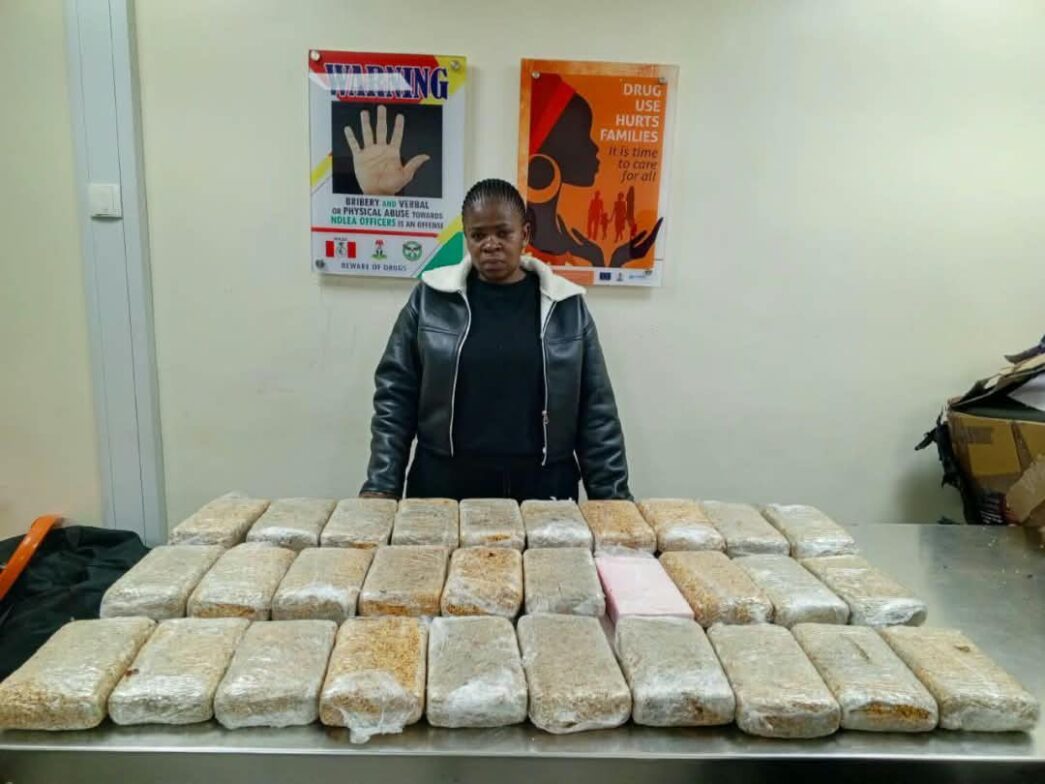
On October 7, Nigerian authorities arrested a 34-year-old South African woman at Lagos airport after allegedly finding 36.65kg of cocaine in her luggage. According to the National Drug Law Enforcement Agency (NDLEA), the drugs were packed into 30 blocks and seven parcels across two bags. She was preparing to board a Qatar Airways flight to South Africa via Doha.

The agency announced the arrest on October 25, saying the investigation had led to another suspect in Lagos. But the case is about more than what officers found at the airport: investigators are seeking to establish who arranged the shipment, who was involved and where the drugs were intended to go.

According to the NDLEA, the woman arrived in Nigeria on September 30 to collect the shipment. She allegedly told investigators that another South African woman had recruited her, offering 20,000 rand for the job.

The agency also reported identifying a US-based participant and arresting Lagos car dealer Uchenna Victor Umunnakwe, 46, on October 14. Investigators allege that he received the woman and arranged accommodation for her.

These details remain allegations reported by the agency. Publicly available accounts have not established the shipment’s source or intended recipient, or confirmed the identities and roles of everyone allegedly involved.

The Lagos seizure is not the first major cocaine case involving a passenger’s luggage at the airport. In January 2021, the NDLEA reported arresting Onyejegbu Ifesinachi Jennifer after allegedly finding approximately 26.84kg of cocaine concealed in her luggage. At the time, the agency described it as its largest single cocaine seizure from an individual in 15 years.

The earlier case provides a direct Nigerian precedent, although the two investigations are separate and there is no publicly established link between them. It also highlights a key question in the current case: whether the arrest of a person carrying drugs will lead investigators to the wider network behind the shipment.

The scale of the Lagos seizure becomes clearer when set against a different kind of operation elsewhere on the continent. In July 2026, Liberian authorities reported seizing approximately 3,971kg of cocaine at a suspected storage facility near Monrovia, with an estimated value of US$317 million. Officials said the shipment was believed to be destined for Europe.

The circumstances differ substantially. The Lagos case concerns drugs allegedly carried by an individual passenger, while the Liberian seizure involved a much larger quantity found at a suspected storage site. Neither case establishes a connection to the other. Together, however, they illustrate why drug investigations must look beyond the amount seized to the people, routes and intended markets supported by the evidence.

In the Lagos case, the woman’s planned flight route does not, by itself, establish where the cocaine originated or where it would ultimately have been delivered. Nor does an arrest prove the involvement of every person investigators identify.

As of October 26, publicly available reports have not established the shipment’s origin, its intended recipient, the identity of the alleged recruiter or the eventual legal outcome of the case.

Continue Reading

Opinion

Rwanda’s ‘Meet the President’ Puts Responsibility, Accountability and Youth at the Centre of National Progress

Published

on

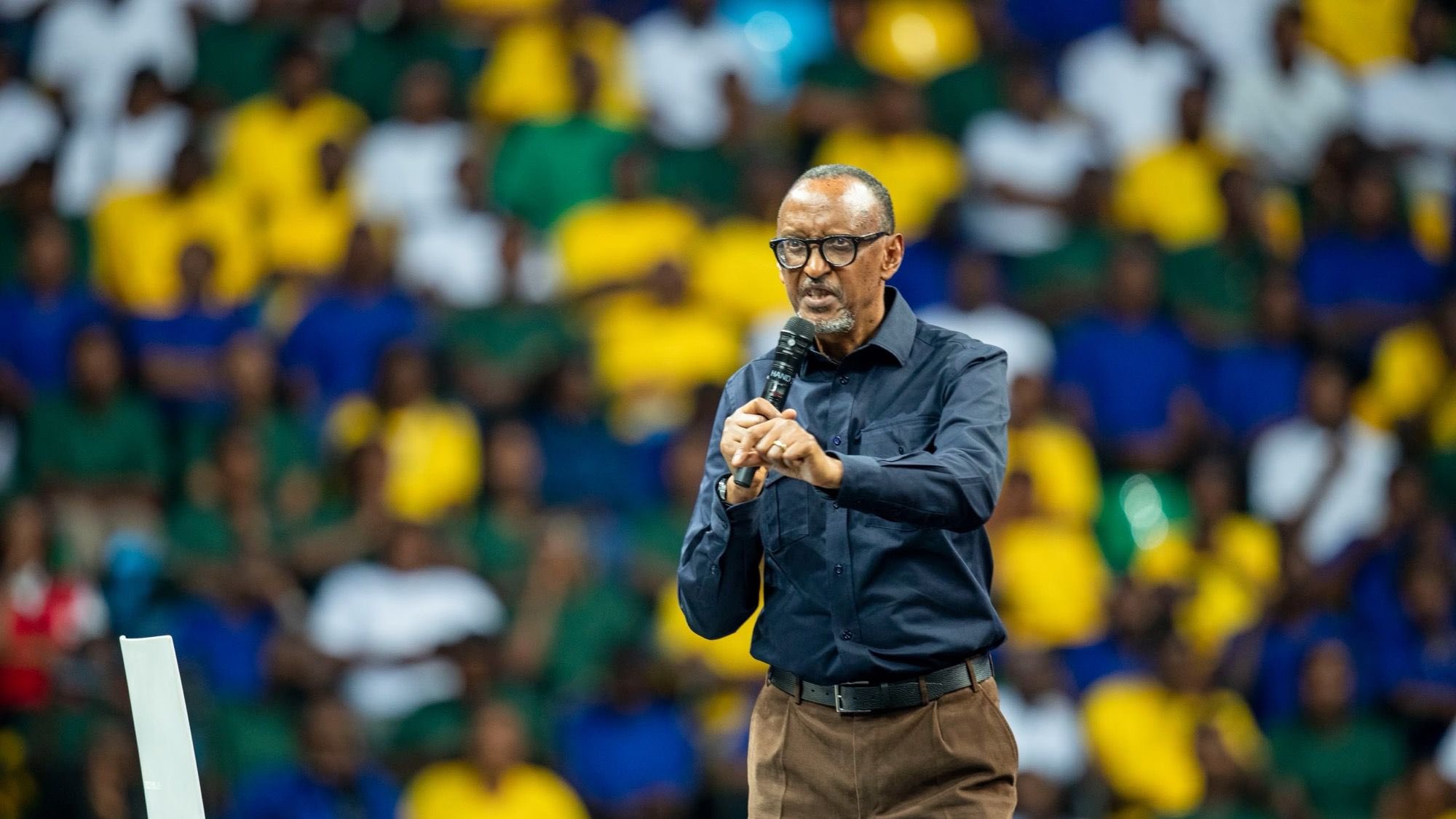
The atmosphere at BK Arena in Kigali on Wednesday was one of engagement and national reflection as more than 10,000 young people gathered for the latest edition of Meet the President, an interactive dialogue with President Paul Kagame. Yet beyond the scale of attendance and the significance of a presidential encounter, the meeting raised a more important question: what does it truly mean to build a better Rwanda?

The gathering brought together young people from different backgrounds, alongside government officials and representatives from various sectors. Discussions covered personal discipline, drug and alcohol abuse, technological opportunities, public service delivery and the responsibilities shared by citizens and leaders in shaping the country’s future.

While the event offered young people an opportunity to engage directly with the Head of State, its greatest significance lay in the issues raised and the expectations they placed on both the younger generation and those entrusted with public responsibility.

A generation challenged to take responsibility

One of the central messages of the meeting was that Rwanda’s development cannot depend on government action alone. Young people must also take responsibility for their decisions, conduct and contribution to society.

President Kagame emphasized the importance of discipline, continuous learning, hard work and the ability to distinguish right from wrong. Drawing on lessons from his own childhood, he illustrated how knowledge acquired early in life can prove valuable many years later.

The message was clear; ambition without discipline is insufficient, and opportunity without action produces little change.

However, personal responsibility should not be interpreted as placing the entire burden of progress on young people. A generation can be encouraged to work hard and make responsible choices, but it must also have access to quality education, meaningful employment, healthcare and fair opportunities.

Young people cannot build their futures through determination alone if the institutions around them fail to provide the conditions necessary for success.

The difficult conversation about public services

An important moment in the dialogue came when a young participant raised concerns about delays in public healthcare and the quality of education in government schools. The concerns reflected frustrations about the gap that can exist between national development ambitions and the everyday experiences of citizens.

The discussion also included an appeal from siblings seeking help over a disputed family home, despite their claim that they had already won a court case.

These issues deserve attention because national progress is ultimately experienced in ordinary places; in a hospital waiting room, in a classroom, at a government office or in a family home where citizens expect justice.

President Kagame acknowledged the need to address poor service delivery and called for action rather than discussion alone. The concerns raised during the meeting nevertheless point to a broader principle: public institutions must be judged by the quality, fairness and reliability of the services they provide.

A country’s achievements should not make its shortcomings impossible to discuss. Instead, progress should create greater confidence that problems can be identified openly and corrected effectively.

Leadership must listen and institutions must respond

The value of an event such as Meet the President lies partly in the opportunity it gives citizens to bring concerns directly to the country’s leadership. But the measure of its success cannot end when the microphone is switched off or the audience leaves the arena.

The real test begins afterward.

When citizens report poor service, officials must investigate. When families seek justice, the relevant institutions must establish the facts and follow lawful procedures. When young people identify weaknesses in public systems, their concerns should lead to practical improvements rather than remain part of a public conversation.

The same principle applies to accountability within law enforcement. Public trust depends on ensuring that authority is exercised lawfully and that misconduct is addressed fairly, regardless of who is involved.

Direct engagement between citizens and the President can help bring problems into view. Strong institutions, however, are needed to ensure that those problems are resolved consistently and transparently.

The warning behind the conversation on alcohol and drugs

Another major theme was the impact of alcohol and drug abuse on young people’s health, decisions and future prospects.

President Kagame and government officials urged young people to avoid harmful habits and develop greater self-control. Health Minister Dr Sabin Nsanzimana also stressed the importance of protecting one’s health and turning personal ambitions into practical goals.

The concern is significant. Substance abuse can undermine education, family relationships, productivity and personal wellbeing. Yet effective responses must extend beyond warnings. Prevention requires accessible health information, supportive families, appropriate treatment services and communities in which people can seek help without being reduced to their mistakes.

The strongest message is not simply that young people should avoid destructive behaviour. It is that they deserve the knowledge, support and opportunities needed to make healthier choices and recover when they struggle.

Technology and the responsibility to keep learning

The meeting also highlighted the opportunities technology continues to create. Minister of ICT and Innovation Paula Ingabire encouraged young people to develop their skills, adapt to changes in the job market and use digital platforms as tools for learning.

This is particularly important in a world where employment opportunities and professional expectations are changing rapidly.

For Rwanda’s young population, digital knowledge can open pathways to entrepreneurship, innovation and work beyond traditional boundaries. But access to technology alone is not enough. Young people need practical skills, critical thinking, creativity and the ability to turn information into useful solutions.

Social media, too, can either support personal growth or encourage unhealthy comparisons with others. Its value depends largely on how it is used.

The challenge is therefore to build a generation that does not merely consume technology but understands how to use it to solve problems, create opportunities and contribute to society.

The position Rwanda must be willing to defend

The central lesson of the meeting extends beyond any single speech or exchange. Rwanda’s future requires responsibility from its citizens, but it also demands accountability from its institutions.

These obligations must go together.

It would be unfair to demand discipline from young people while overlooking failures in the systems that serve them. Equally, it would be unrealistic to expect government institutions to carry the entire responsibility for national development while citizens disregard their own obligations.

The country needs both responsible citizens and responsive institutions. It needs ambitious plans, but it also needs honest assessments of what is working and what is not. Above all, it needs a culture in which criticism can become a starting point for improvement rather than a conversation that ends without consequences.

This is not an argument against national pride. It is an argument for a stronger foundation for that pride.

A nation should be confident enough to celebrate its achievements and honest enough to confront the problems that remain.

As the young participants left BK Arena, the significance of Meet the President rested not simply in the opportunity to see or hear the Head of State, but in what the dialogue might inspire leaders, institutions and citizens to do next.

For young people, the challenge is to translate ambition into discipline, learning and meaningful action. For public officials, it is to ensure that the concerns raised by citizens receive serious attention and measurable follow-through. For the country as a whole, it is to make national development visible in the everyday lives of its people.

The gathering offered an important platform for conversation. Its lasting value will depend on whether that conversation produces change.

Because the strength of a nation is not measured only by the size of its ambitions or the number of people gathered to hear its leaders. It is measured by whether its people can see, feel and trust the progress those ambitions promise.

Continue Reading

Trending

Copyright © 2026 Africadigitmedia.net. Website powered by ProDigit.