Connect with us

Health

Africa Asserts Sovereignty in Global Health Decisions

Published

on

African leaders and global health authorities gathered to deliver a powerful message: Africa’s sovereignty in health matters is non-negotiable. The meeting marked the launch of a continent-led framework designed to reshape the global health architecture and ensure African nations have a decisive role in international health decisions.

At the heart of this initiative is the African High-Level Ministerial Committee on the Reform of the Global Health Architecture, backed by an 18-member expert panel of seasoned global health leaders. The committee will develop actionable recommendations aimed at unifying Africa’s voice, strengthening health systems, and reducing dependency on external decision-makers.

The initiative comes in response to vulnerabilities exposed by the COVID-19 pandemic and other health crises, which highlighted Africa’s reliance on foreign supply chains and external policy frameworks. Leaders emphasized that this effort represents more than reform; it is a shift from fragmentation to unity, from dependency to sovereignty, and from vulnerability to influence.

African leaders made clear that the continent is determined to move from being a passive recipient to an active architect of global health governance. Through this framework, Africa will coordinate policy, financing, and manufacturing strategies to better protect its populations and assert its priorities on the world stage.

Following today’s gathering, the expert panel will finalize its recommendations, which will feed into upcoming multilateral platforms such as the World Health Assembly.

Continue Reading
Click to comment

Leave a Reply

Your email address will not be published. Required fields are marked *

Health

Child HIV Outbreak Traced to Suspected Unsafe Injection Practices

Published

on

By

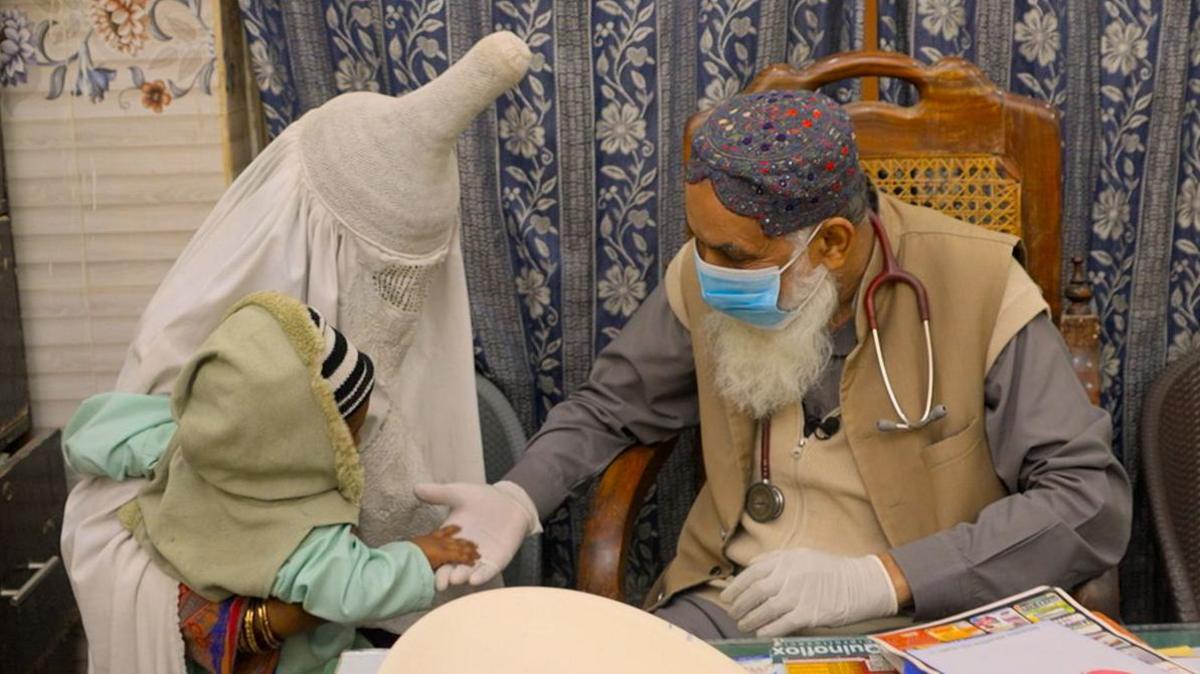
A BBC investigation has revealed that a government hospital in Pakistan is at the center of a major HIV outbreak affecting children, with evidence suggesting that unsafe medical practices particularly the reuse of syringes may have contributed to the spread of the virus.

The hospital, located in Taunsa in Punjab province, has been linked to a cluster of HIV cases among children detected during recent public health screenings. Health authorities have reported hundreds of infections in the wider outbreak, with children making up a significant proportion of confirmed cases.

According to findings from the BBC investigation, medical staff at the facility were observed engaging in unsafe practices, including the reuse of syringes and improper handling of medical equipment. Such practices significantly increase the risk of transmitting blood-borne infections like HIV, which spreads through contact with infected blood.

HIV (human immunodeficiency virus) is not transmitted through casual contact, but it can spread rapidly in healthcare settings when injection safety protocols are not followed. A single contaminated syringe used on multiple patients can lead to multiple infections in a short period of time.

The investigation has intensified concerns about infection control standards in parts of Pakistan’s public healthcare system, where previous outbreaks have also been linked to unsafe injection practices. Health experts have long warned that unnecessary injections and poor sterilization practices contribute to preventable disease transmission.

Local authorities have launched inquiries into the hospital’s operations and medical staff conduct. Officials have stated that disciplinary and legal action may follow if negligence is confirmed. The hospital has denied deliberate wrongdoing, according to reports, and investigations are ongoing.

The outbreak has caused significant alarm among families in the affected region, particularly because many of the infected children were treated for unrelated common illnesses before being diagnosed with HIV.
Public health specialists say the incident highlights urgent gaps in infection prevention and control, including the need for stricter regulation of medical practices, improved training for healthcare workers, and consistent enforcement of hygiene standards.

The case has also renewed debate over patient safety in low-resource healthcare settings, where limited supplies, overcrowding, and lack of oversight can increase the risk of unsafe medical procedures.

As investigations continue, health authorities are expected to expand testing and monitoring in the region to determine the full scale of the outbreak and prevent further transmission.

Continue Reading

Health

Meningitis: A Fast-Moving Threat That Can Hit Anywhere

When a Deadly Infection Shows How Close Danger Really Is

Published

on

By

It was mid-March 2026 in Canterbury, United Kingdom, and the campus of the University of Kent was alive with students rushing to classes, hanging out in dorms, and meeting friends at local cafes and nightclubs. But beneath the ordinary bustle, a hidden threat was spreading. Two students fell seriously ill in the span of just a few days. By the time medical staff realized the severity, both had tragically died. Within a week, more than a dozen others were hospitalized, all showing similar severe symptoms: fever, headache, vomiting, stiff neck, and rashes.

What made this outbreak so alarming was how fast it moved. Meningitis bacteria, which live in the nose and throat of some carriers, can spread quietly through close contact, sharing drinks, food, cigarettes, or even just a crowded dorm room. Universities are perfect breeding grounds: students socialize, live in close quarters, and attend large gatherings. In this case, health investigators suspect that one or more social events, including a nightclub gathering, helped the bacteria leap from person to person.

Meningitis, by definition, is an infection that inflames the membranes around the brain and spinal cord. The term comes from “meninges,” meaning the protective layers around the brain, and “-itis,” meaning inflammation. Though the disease often starts with flu-like symptoms, it can escalate rapidly. That’s why the two students died so quickly, the infection attacks the body fast, sometimes in just hours, and without immediate treatment, it can be fatal.

The outbreak at this specific university is not about the campus itself being “bad” or unsafe. It’s a combination of biology and environment: close living spaces, social habits, and a strain of bacteria that some students had not been vaccinated against. Once one person got infected, the others who were in close contact became vulnerable, creating a chain reaction that authorities had to act on immediately.

For Africans reading this story, it matters because meningitis is not confined to the UK. The same bacteria exist across the world, including the “meningitis belt” of sub-Saharan Africa, where seasonal outbreaks are common. Students traveling to the UK, families with loved ones studying abroad, or travelers returning from affected areas can all be at risk. Knowing the symptoms, acting quickly, and keeping vaccinations up to date can prevent tragedy.

The outbreak in Canterbury is a reminder that meningitis is fast-moving, deadly, and unpredictable, but also preventable. Awareness, early treatment, and proper hygiene can save lives whether in the dorms of England or the crowded streets of anywhere in Africa.

Continue Reading

Health

Mombasa Doctors Begin Strike After County Fails to Address Grievances

Published

on

By

Mombasa, Kenya – Doctors across Mombasa County went on strike from midnight on March 3, 2026, following the expiry of a seven‑day notice to the county government.

The industrial action started at Coast General Teaching and Referral Hospital, the county’s largest public facility. Health workers cited unresolved governance issues, staffing concerns, and the suspension of the hospital CEO as reasons for the strike.

During the strike, hospitals are providing emergency care only, while outpatient clinics, elective surgeries, and routine services have been suspended.

The Kenya Medical Practitioners, Pharmacists and Dentists Union (KMPDU) called on county authorities to address salary disputes, stalled career progression, and administrative concerns immediately. Union officials warned the strike could continue until meaningful dialogue takes place.

Continue Reading

Trending

Copyright © 2026 Africadigitmedia.net. Website powered by ProDigit.