Connect with us

Health

Kenya’s Solar Ambulance Points to a Different Future for Rural Healthcare

Published

on

In parts of Africa, the distance between a patient and a doctor is measured in more than kilometers.

It is also measured in roads, electricity and the medical equipment available when the patient finally arrives.

Kenya’s experiment with a solar-powered ambulance aims to change that.

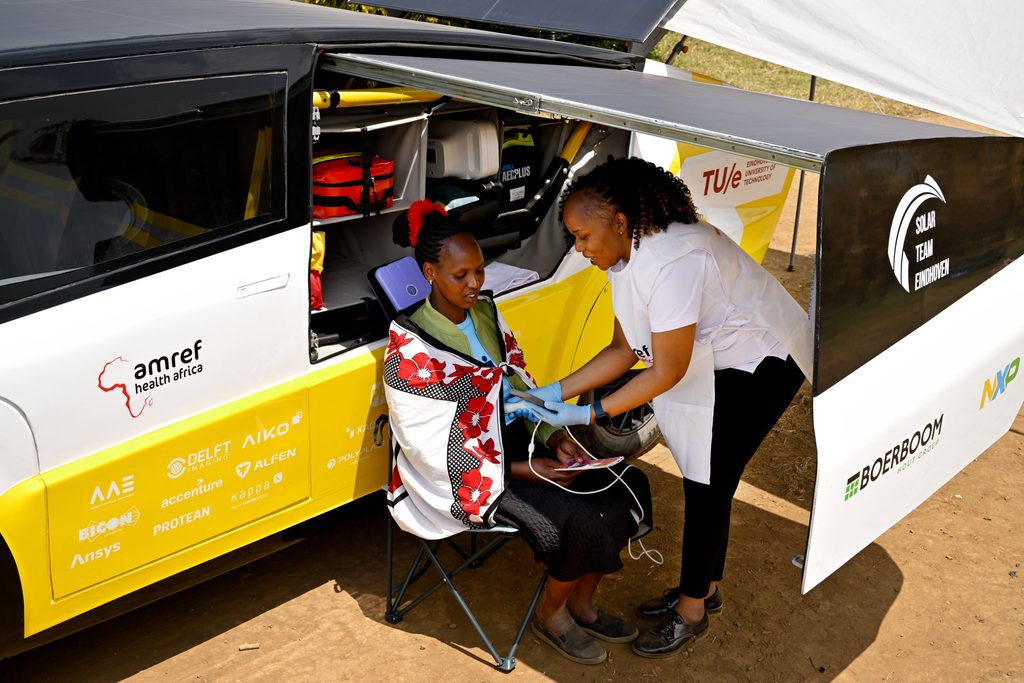
The vehicle, known as Stella Juva, has been tested in Kenya as a mobile healthcare platform. It can carry medical equipment, vaccine refrigerators and other supplies. Solar power helps support its operations.

The ambulance has travelled more than 800 kilometers. It has also taken difficult routes to remote communities, including Mosiro in Narok County.

The important point is not simply that an ambulance can run on solar power.

Instead, Stella Juva brings together three things that rural healthcare systems often struggle to provide in the same place: mobility, electricity and medical technology.

Bringing Healthcare to Remote Communities

For people who live far from well-equipped hospitals, healthcare can fail long before they reach an emergency room.

A health centre may exist without reliable electricity. A health worker may be available without the equipment needed to diagnose a patient.

At the same time, vaccines may need refrigeration that an off-grid facility cannot provide every day.

A mobile healthcare unit changes the question.

Rather than asking when every remote community will get all the facilities of a modern hospital, it asks whether some of that infrastructure can travel to the community.

That is the bigger idea behind Stella Juva.

Why Kenya Is an Important Testing Ground

Kenya’s role in the experiment is also important.

The vehicle is not being tested only to see whether it works on paper. It is being tested in places where long distances, rough roads and limited access to electricity are part of daily life.

That makes the test more meaningful.

If a solar-powered ambulance can support healthcare workers in these conditions, it could offer useful lessons for other communities facing similar challenges.

The idea also fits into a wider pattern across Africa.

The continent’s infrastructure gaps have often pushed countries to find new ways to deliver basic services.

For example, mobile money grew partly because many people lacked access to traditional banking. In the same way, solar power has expanded in places where national electricity grids remain limited.

Now healthcare technology is asking a similar question:

Can medical care become more mobile?

The Challenges Behind the Idea

However, enthusiasm needs to come with caution.

A prototype that survives a field test is not automatically a solution for an entire health system.

The harder questions come next.

Who will buy the vehicles? Who will maintain them? How much will they cost? Who will operate them? And how will they fit into existing public healthcare networks?

These questions will determine what happens to Stella Juva.

If the model proves affordable and practical, it could become more than an interesting engineering project. It could offer a new way to reach communities that traditional healthcare systems struggle to serve.

If the costs are too high or the vehicles prove difficult to maintain, the project may remain a promising experiment.

For Kenya, however, the test offers more than a glimpse of a greener ambulance.

It offers a glimpse of a different way to think about rural healthcare.

Instead of making every patient travel to a hospital, some healthcare services could travel to the patient.

And sometimes, the healthcare system may have to go looking for the patient.

Continue Reading
Click to comment

Leave a Reply

Your email address will not be published. Required fields are marked *

Entertainment

Africa Was in the Room at the Ballon d’Or. The Question Is What the World Saw.

Published

on

By

From a Nigerian musician’s ambitions for football to a Rwandan boy’s restored eyesight, the 2026 Ballon d’Or offered several ways to understand Africa’s place in the global game.

Africa’s presence at the 2026 Ballon d’Or ceremony in London was visible in several forms: through Burna Boy’s cultural influence, Bukayo Saka’s humanitarian work, the story of a Rwandan child who regained his eyesight and the African players included among the nominees.

These moments were connected by the ceremony, but they represented different realities. Together, they showed both the reach of African talent and the distance between visibility and influence in global football.

A Nigerian ambition on a European stage

Before presenting the Socrates Award, Burna Boy spoke about the football academy he established in Nigeria. He said he hoped to return to the Ballon d’Or one day and see a player from his country receive the sport’s most coveted individual prize.

That ambition points to a longstanding reality. Africa has produced players who have shaped European football, won major competitions and become global stars. Yet Liberia’s George Weah remains the only African winner of the men’s Ballon d’Or, having received the award in 1995.

The gap between Africa’s supply of talent and its representation among football’s highest individual honours remains difficult to ignore. Burna Boy’s remarks focused attention on the work required to close it, particularly through investment in youth development and stronger football structures at home.

His presence also reflected the global reach of African culture. A Nigerian musician stood at a ceremony centred on European football and spoke not only as an entertainer, but as someone investing in the sport’s future in Nigeria.

A boy in Rwanda enters the conversation

Saka’s acceptance speech brought the ceremony’s humanitarian dimension into sharper focus. He read a letter from Byiringiro, a boy from Rwanda who had begun losing his eyesight at the age of 12.

Byiringiro described living in a village without electricity and struggling as his vision deteriorated. In the classroom, he could no longer read the blackboard clearly.

Medical care facilitated by BigShoe helped restore his eyesight. He could read again, play with his friends and pursue his ambition of becoming an English teacher.

The significance of that story lies in its ordinariness. Byiringiro wanted to learn, play and choose a profession. Medical treatment helped return those possibilities to him.

Saka’s humanitarian work has supported medical treatment for children in Africa, including operations for 120 children in Kano, Nigeria, in 2022 and support for another 100 children in Rwanda, Kenya and Tanzania in 2023. The Socrates Award recognised that work, while Biringiro’s letter showed its impact through one child’s experience.

His story also raises a broader issue. International attention can bring visibility to a child’s circumstances, but it does not resolve the wider shortage of accessible healthcare. Many other children still face preventable conditions without the treatment they need.

Byiringiro’s recovery is hopeful. It also shows how access to healthcare can determine the future a child is able to imagine.

The players whose names carried African flags

Africa’s presence extended across the ceremony’s football categories.

Morocco’s Achraf Hakimi and Senegal’s Sadio Mané were nominated for the men’s Ballon d’Or. Zambia’s Barbra Banda and Malawi’s Temwa Chawinga featured in the women’s race. Morocco’s Ayyoub Bouaddi, Côte d’Ivoire’s Yan Diomandé and Algeria’s Ibrahim Maza were nominated for the men’s young-player award. Morocco’s Yassine Bounou, Senegal’s Édouard Mendy and Cape Verde’s Vozinha were among the goalkeeper nominees.

Their inclusion reflected different aspects of African football. Hakimi and Mané represent established careers at the highest level. Banda and Chawinga brought African women’s football into a global conversation that has historically focused more heavily on men. The young-player nominees represented a generation whose careers will develop across national, continental and international competitions.

Nominations, however, are not victories, and representation is not the same as equal recognition. Harry Kane won the men’s Ballon d’Or, while the African players competed in their respective categories.

The significance of these nominations does not depend on presenting them as proof that African football has finally arrived. African football has long been part of the global game. The more important questions concern how its achievements are recognised and whether the structures supporting its next generation are strong enough.

The ceremony brought together several distinct stories: Burna Boy’s vision for Nigerian football, Saka’s support for children needing medical care, Byiringiro’s recovery in Rwanda and the presence of African players across the nominees’ lists.

Together, they showed Africa’s place in global football as more than a single narrative. The continent appeared through cultural influence, sporting ambition, humanitarian work and the lives affected by that work.

But visibility does not automatically create influence. African music has achieved global reach, and African players compete at the highest levels. African children can also benefit from international charitable partnerships. Sustaining those achievements requires long-term investment in local football, stronger opportunities for young players, wider access to healthcare and recognition that reflects the quality of African talent.

The Ballon d’Or cannot resolve those issues. It can make them visible.

For one evening in London, Africa was represented by a Nigerian musician, a footballer with Nigerian roots, nominees from across the continent and a Rwandan schoolboy whose eyesight had been restored.

Byiringiro wants to become an English teacher. He does not need to become famous for that ambition to matter. He needed medical care, received it and can now see the blackboard again.

That may be one of the clearest measures of football’s influence: not only the trophies won on stage, but the opportunities made possible for people who will never stand there.

Continue Reading

Health

Israel Removes Rwanda from Ebola Travel Restriction List

Published

on

By

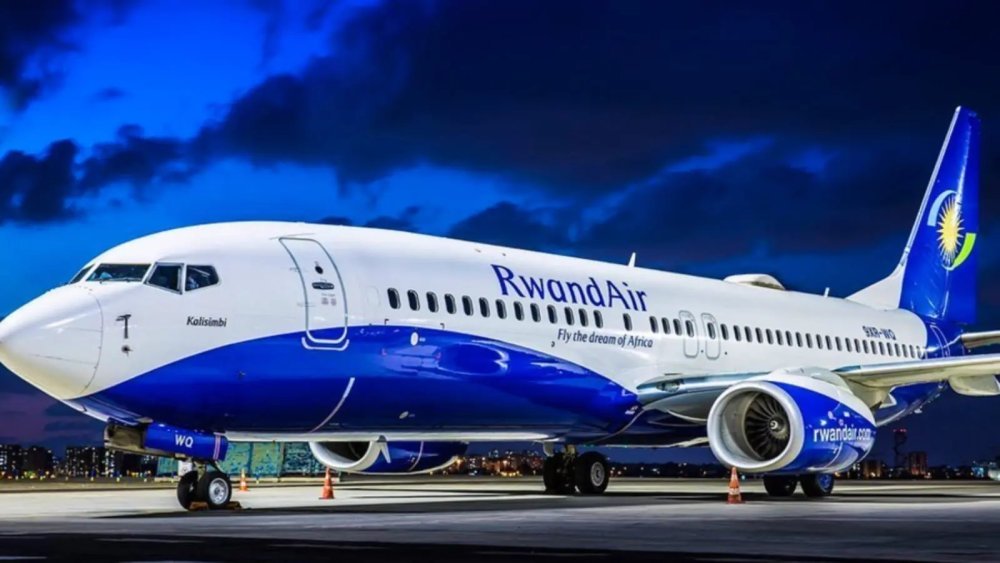
Israel has lifted temporary Ebola-related travel restrictions affecting Rwandan citizens, removing Rwanda from a list of countries whose nationals had faced limitations on entry amid concerns over the spread of the disease in parts of East and Central Africa.

The decision announced by Israel’s Ministry of Health following a review of public health risks associated with the ongoing Ebola outbreak in the region.

Rwanda had been included in a group of countries affected by precautionary measures introduced by Israeli authorities as they sought to prevent the possible importation of Ebola cases. The restrictions were part of a broader response to outbreaks reported in neighboring countries, particularly the Democratic Republic of Congo and Uganda.

By removing Rwanda from the list, Israel has effectively restored normal travel arrangements for Rwandan citizens and residents seeking to enter the country. The move signals confidence in Rwanda’s disease surveillance systems and its efforts to prevent the virus from crossing its borders.

Rwanda has repeatedly stated that it has not recorded any Ebola cases linked to the current outbreak. Health authorities have nonetheless maintained heightened vigilance, strengthening screening procedures at border posts, airports and other points of entry while monitoring developments in the region.

The country’s proximity to affected areas has prompted continuous preparedness measures, including enhanced surveillance, rapid response mechanisms and public health awareness campaigns aimed at detecting and containing any potential cases.

Israel’s latest decision comes after days of concern among travelers and businesses following the introduction of the temporary restrictions. The removal of Rwanda from the list is expected to ease travel for individuals, businesspeople and officials moving between the two countries.

While Rwanda is no longer subject to the temporary measures, some countries in the region continue to face heightened restrictions as health authorities monitor the evolution of the outbreak.

The decision marks a significant diplomatic and public health development for Rwanda, reinforcing international recognition of the country’s efforts to maintain strong disease prevention and response systems during a period of increased regional health vigilance.

Continue Reading

Health

Child HIV Outbreak Traced to Suspected Unsafe Injection Practices

Published

on

By

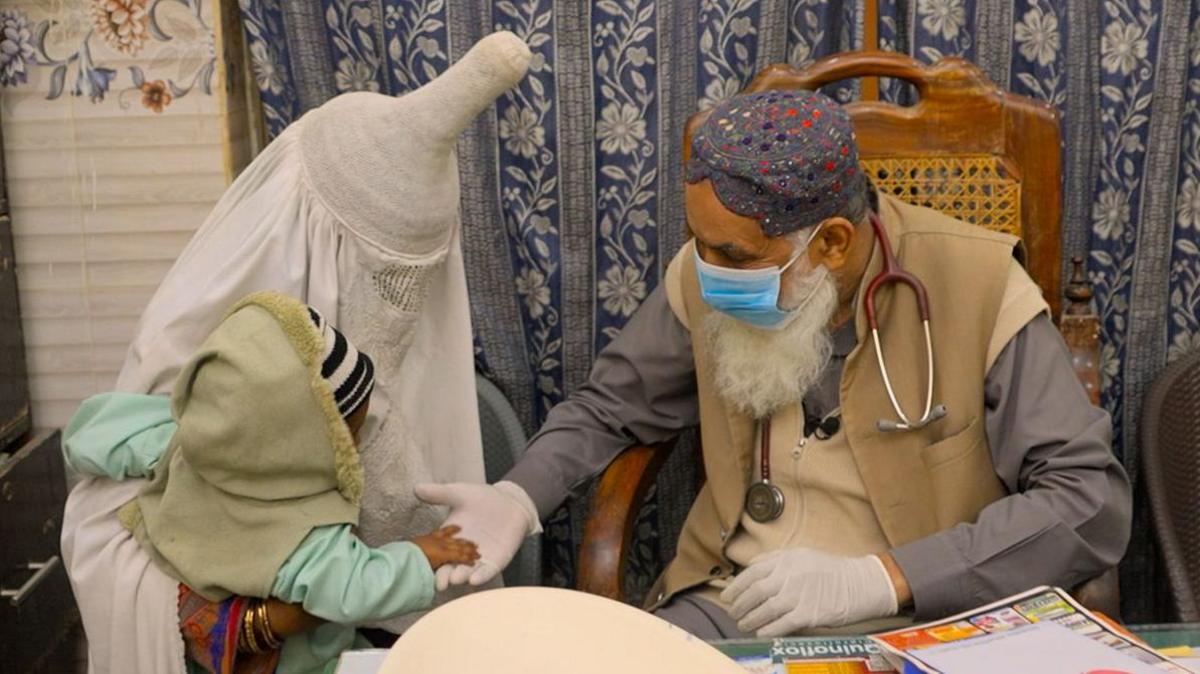
A BBC investigation has revealed that a government hospital in Pakistan is at the center of a major HIV outbreak affecting children, with evidence suggesting that unsafe medical practices particularly the reuse of syringes may have contributed to the spread of the virus.

The hospital, located in Taunsa in Punjab province, has been linked to a cluster of HIV cases among children detected during recent public health screenings. Health authorities have reported hundreds of infections in the wider outbreak, with children making up a significant proportion of confirmed cases.

According to findings from the BBC investigation, medical staff at the facility were observed engaging in unsafe practices, including the reuse of syringes and improper handling of medical equipment. Such practices significantly increase the risk of transmitting blood-borne infections like HIV, which spreads through contact with infected blood.

HIV (human immunodeficiency virus) is not transmitted through casual contact, but it can spread rapidly in healthcare settings when injection safety protocols are not followed. A single contaminated syringe used on multiple patients can lead to multiple infections in a short period of time.

The investigation has intensified concerns about infection control standards in parts of Pakistan’s public healthcare system, where previous outbreaks have also been linked to unsafe injection practices. Health experts have long warned that unnecessary injections and poor sterilization practices contribute to preventable disease transmission.

Local authorities have launched inquiries into the hospital’s operations and medical staff conduct. Officials have stated that disciplinary and legal action may follow if negligence is confirmed. The hospital has denied deliberate wrongdoing, according to reports, and investigations are ongoing.

The outbreak has caused significant alarm among families in the affected region, particularly because many of the infected children were treated for unrelated common illnesses before being diagnosed with HIV.
Public health specialists say the incident highlights urgent gaps in infection prevention and control, including the need for stricter regulation of medical practices, improved training for healthcare workers, and consistent enforcement of hygiene standards.

The case has also renewed debate over patient safety in low-resource healthcare settings, where limited supplies, overcrowding, and lack of oversight can increase the risk of unsafe medical procedures.

As investigations continue, health authorities are expected to expand testing and monitoring in the region to determine the full scale of the outbreak and prevent further transmission.

Continue Reading

Trending

Copyright © 2026 Africadigitmedia.net. Website powered by ProDigit.