Connect with us

Politics

In the DRC, Even the Search for Dialogue Has Become a Political Battle

Published

on

An opposition initiative to meet former president Joseph Kabila has drawn a warning of criminal prosecution from Kinshasa, exposing the difficulty of finding a political solution to a conflict that has outgrown the battlefield.

Peace negotiations are supposed to bring opposing sides closer to a solution. In the Democratic Republic of the Congo, however, even deciding who should be part of the conversation has become a source of political confrontation.

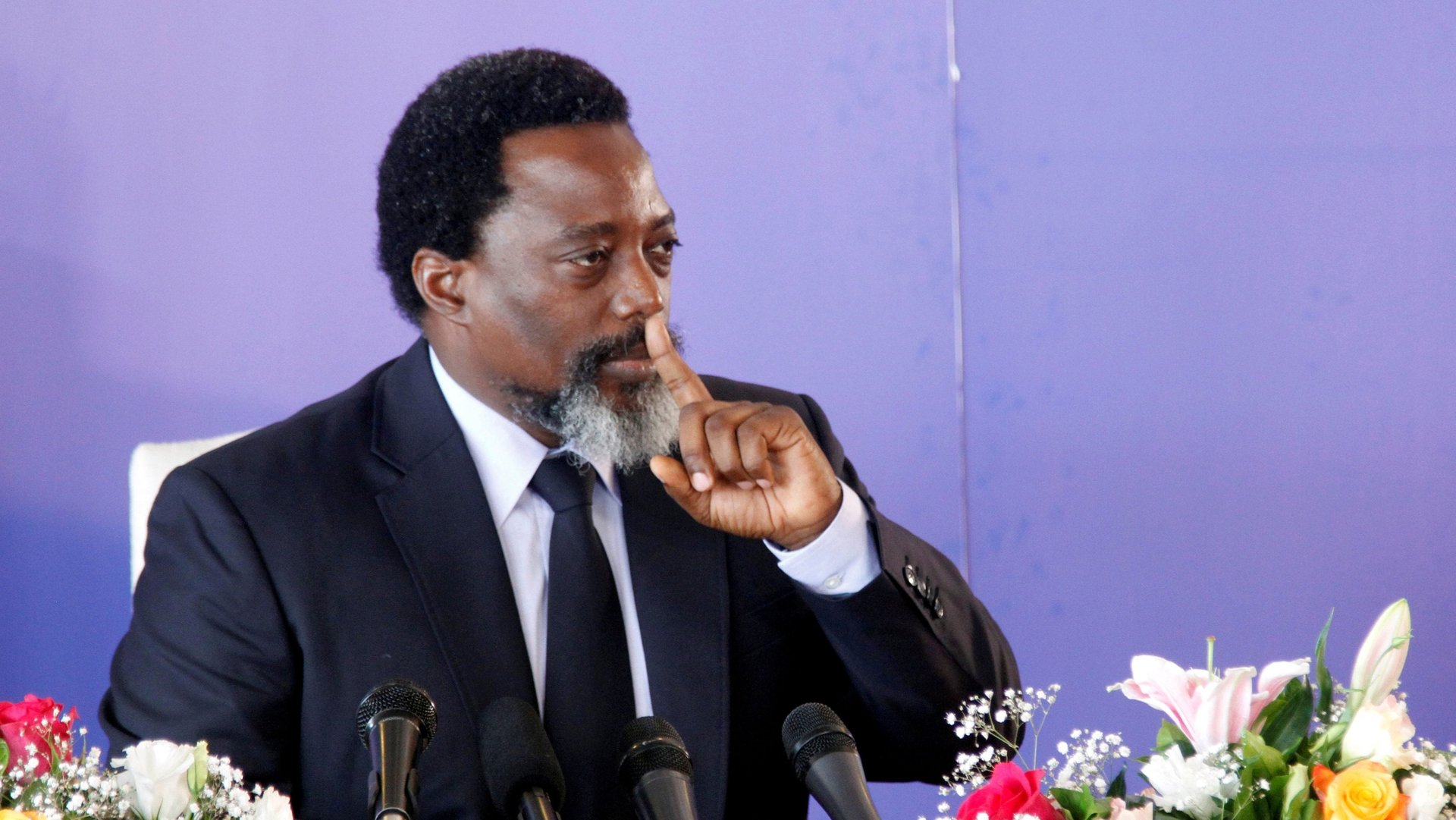
On 4 November 2026, the Congolese government warned opposition politicians against traveling to Goma to meet former president Joseph Kabila without authorization. Deputy Prime Minister and Interior Minister Jacquemin Shabani said those who proceeded could face criminal prosecution.

The warning followed an announcement by opposition leader Moïse Katumbi, who said the opposition coalition known as C64 intended to meet both President Félix Tshisekedi in Kinshasa and Kabila in Goma as part of an effort to promote national dialogue.

The proposed consultations place three major political figures at the centre of a dispute over the country’s future: the sitting president, his predecessor and an opposition seeking a role in resolving the crisis.

But the significance of the proposed meeting becomes clearer when one considers where it is supposed to take place.

A meeting in a city at the centre of a war

Goma is not simply another political destination. The capital of North Kivu province has been under M23 control since January 2025, following an offensive that dramatically escalated the conflict in eastern Congo.

For years, the country’s eastern region has experienced repeated violence involving armed groups, competition over resources and regional security disputes. The latest conflict has also deepened tensions between the DRC and Rwanda, with the United Nations documenting Rwandan support for M23, which Kigali denies.

Kabila’s presence in this environment makes the proposed visit particularly sensitive.

The former president, who governed from 2001 to 2019, has become associated with the Front for the Refoundation of the Nation, an alliance involving M23 and other opponents of Tshisekedi’s government.

Kinshasa accuses him of supporting the rebellion. Kabila denies the allegations and was sentenced to death in absentia by a Congolese military court in September 2025.

For the government, therefore, a meeting with Kabila in Goma carries implications that extend beyond ordinary political consultation.

Where does dialogue end and political risk begin?

Shabani has invoked Article 192 of the Congolese Penal Code, which provides for imprisonment in certain wartime circumstances involving unauthorised relations with subjects or agents of an enemy power.

However, the announcement of a proposed meeting does not establish that the opposition politicians have violated this provision. Whether it applies would require a legal assessment of the circumstances.

C64, which includes Katumbi, Martin Fayulu, Jean-Marc Kabund, Augustin Matata Ponyo and Delly Sesanga, says its objective is an inclusive political dialogue capable of addressing the country’s crisis.

Its proposed approach is to engage Tshisekedi before proceeding to Goma to meet Kabila.

That sequence is politically significant. The opposition is presenting the initiative as an attempt to involve competing centres of political influence in a conversation about the country’s future.

Yet the government faces its own dilemma: how does it engage a former president whom it accuses of supporting an armed rebellion without appearing to legitimise that rebellion?

Neither question can be dismissed.

The bigger problem is finding a way forward

The DRC’s crisis cannot be resolved by political declarations alone. Military operations have not removed the underlying tensions, while political divisions continue to complicate efforts to establish a lasting settlement.

The proposed C64 consultations may not produce an agreement. A meeting with Kabila would not automatically end the fighting, just as preventing one would not resolve the conflict.

But the disagreement exposes something important about the state of Congolese politics: the country needs a credible process for addressing its divisions, yet there is no consensus on who should participate or under what conditions.

That is a difficult starting point for any peace initiative.

For the millions of Congolese affected by insecurity, displacement and interrupted livelihoods, the debate is not ultimately about which politician wins the argument. It is about whether those exercising political and military influence can produce conditions in which ordinary people can live without the threat of violence.

The question now is whether Kinshasa and its political opponents can find a way to pursue negotiations without turning the process itself into another front in the conflict.

A country cannot negotiate its way out of a crisis if its political actors cannot agree on the conditions for sitting at the same table. What, then, would a genuinely inclusive path to peace look like for the DRC?

Continue Reading
Click to comment

Leave a Reply

Your email address will not be published. Required fields are marked *

Business

Ghana wants a 300,000-barrel refinery. But where will the oil come from?

Published

on

By

President John Mahama is pursuing a $28 billion petroleum hub designed to make Ghana a major refining and petrochemical centre in West Africa. Yet one question sits at the heart of the ambition: can the country secure enough crude to sustain the industry it wants to build?

Ghana is making plans to become one of West Africa’s major petroleum processing centres. There is, however, a fundamental question that its latest announcements have brought into focus: where will the oil come from?

On November 10, President John Dramani Mahama announced a new offshore hydrocarbon discovery at the Nya Gyidie-1X exploration well in Ghana’s Deepwater Cape Three Points area. It is the country’s first successful test of a carbonate reservoir system, opening a new geological target for future exploration.

The discovery is significant, but its commercial size and production potential are still being evaluated.

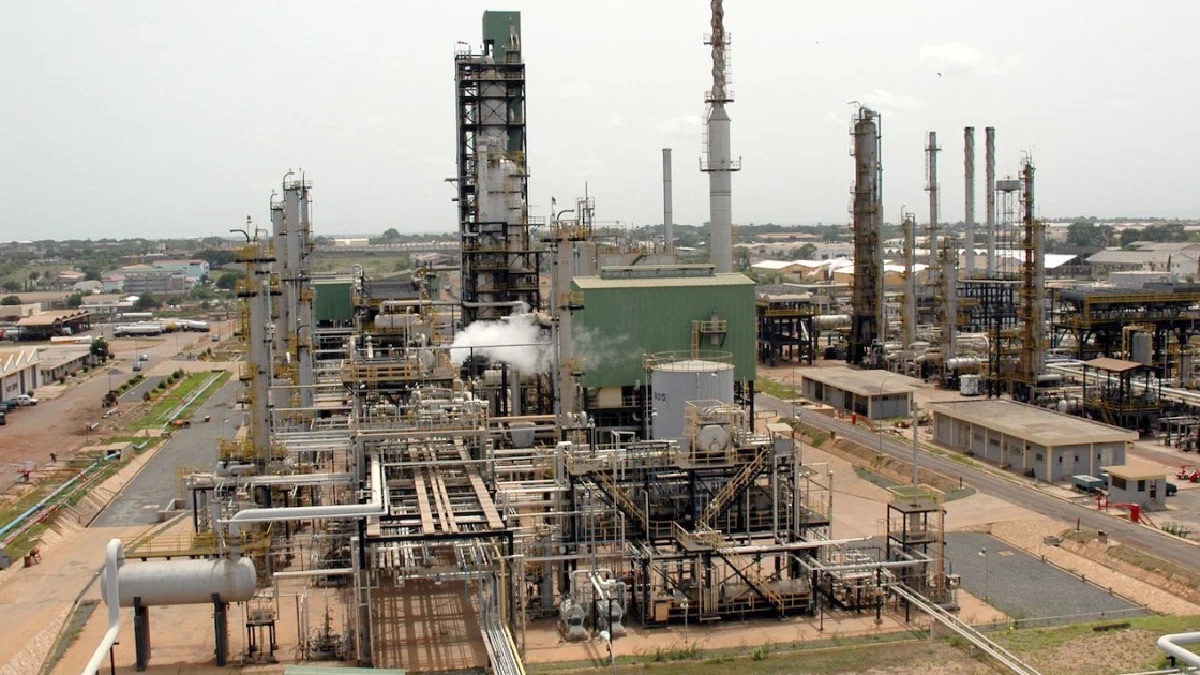
At almost the same time, Ghana is advancing a much larger industrial ambition. A $28 billion agreement signed by the Petroleum Hub Development Corporation and an international consortium led by Global Sphere proposes a 300,000-barrel-per-day refinery, two petrochemical plants, storage infrastructure and a multi-berth jetty in Jomoro, in the Western Region.

The ambition is to move Ghana further along the petroleum value chain: from extracting crude to refining it, manufacturing products from it and supplying regional markets.

But the numbers invite scrutiny.

Mahama says Ghana’s crude production has recovered to more than 120,000 barrels per day, following a decline from approximately 195,000 barrels per day in 2019 to around 88,000 barrels per day.

The proposed refinery alone would have the capacity to process 300,000 barrels daily.

The difference does not make the project impossible. Ghana could source crude from other producers, including through regional and international supply arrangements. But it makes feedstock availability one of the most important questions surrounding the project.

And Mahama appears to recognise that.

On November 10, he directed the Petroleum Commission and other relevant agencies to work with the Petroleum Hub Development Corporation and upstream operators to establish reliable crude and gas supplies for the proposed facilities.

In other words, building the refinery is only one part of the challenge. Keeping it supplied is another.

Ghana is not simply trying to build a refinery. It is trying to build an industrial economy around petroleum.

That distinction matters because refining is only the beginning of what the government hopes to achieve.

The proposed petrochemical plants could create opportunities to manufacture products used in agriculture, construction, packaging and other industries. Storage and port infrastructure could also strengthen Ghana’s position in regional energy distribution.

If successfully implemented, the project could create demand for engineers, technicians, logistics companies, manufacturers and domestic suppliers.

But these benefits will not automatically follow from the construction of industrial facilities.

Ghana must also establish whether the proposed investment can secure financing, obtain competitive feedstock, attract customers and operate profitably. The $28 billion agreement is not evidence that the full amount has already been financed or invested.

The consortium has described the project as a build-own-operate development, with initial construction-related activities expected in the first quarter of 2027, subject to outstanding conditions and preparations.

There is another question Mahama’s government will have to confront: how much of this industrial transformation will actually belong to Ghanaians?

The president has repeatedly called for greater local participation in the petroleum industry, including technology transfer, training and access to contracts for qualified Ghanaian companies.

That will be an important measure of whether the project builds domestic industrial capacity or primarily creates another platform for international investment.

For the wider African continent, Ghana’s plans raise a question that extends beyond petroleum.

Africa has long supplied the resources that power industries elsewhere. Yet the ability to extract natural resources has not always translated into the ability to process them, manufacture finished products and retain a greater share of the resulting economic value.

Ghana wants to change that relationship.

Its Petroleum Hub is being positioned as a regional project, with ambitions that extend beyond the domestic market. Its success will therefore depend not only on Ghana’s ability to attract investors, but also on whether the wider West African market can support a competitive refining and petrochemical industry.

The Nya Gyidie discovery gives Ghana another reason to pursue exploration. The Petroleum Hub offers a vision of what it hopes to do with its resources.

But discoveries are not production, agreements are not completed investments, and industrial capacity is not the same as industrial competitiveness.

The question for Ghana is no longer simply how much oil it can find. It is whether it can build an industry capable of turning those resources into lasting economic value.

And that is a question the rest of Africa should be watching.

Continue Reading

Business

Britain Wants to Discuss an Apology. The Caribbean Wants to Discuss What Comes After It.

Published

on

By

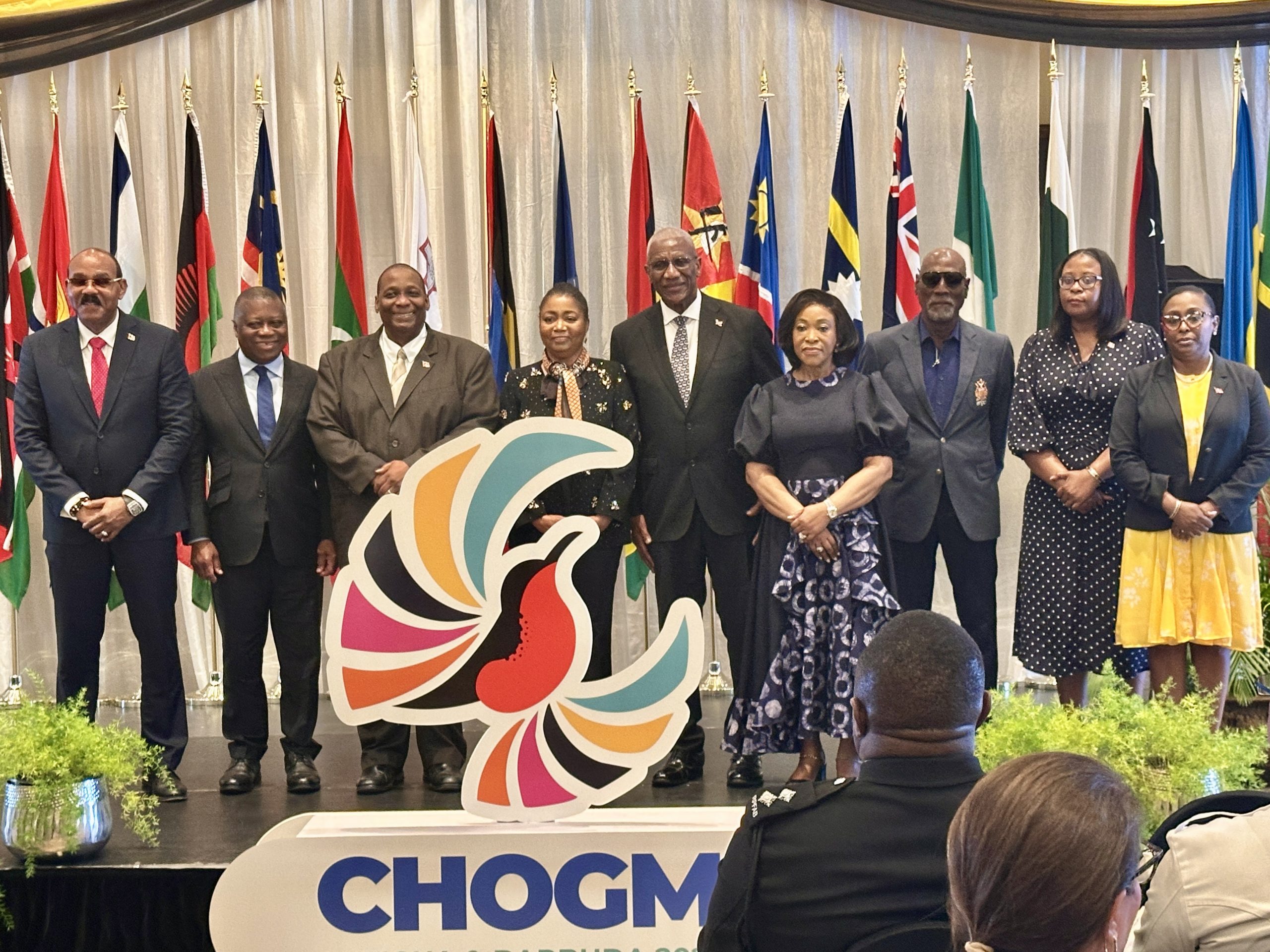
At CHOGM 2026 in Antigua and Barbuda, Britain’s willingness to discuss a formal apology for slavery has reopened a much older dispute. For Caribbean leaders, the question is not simply whether Britain will say sorry. It is what responsibility looks like after centuries of exploitation.

Britain once compensated slave owners for losing the people they had enslaved. The loan used to finance those payments was not fully repaid by British taxpayers until 2015.

The formerly enslaved received no equivalent compensation.

More than two centuries after the abolition of the British slave trade, that history has returned to the centre of Britain’s relationship with the Caribbean. This time, the conversation is unfolding before the leaders of 56 countries at the 2026 Commonwealth Heads of Government Meeting (CHOGM) in Antigua and Barbuda.

British Prime Minister Andy Burnham has signaled a willingness to discuss a formal apology for Britain’s role in the transatlantic slave trade. His government has proposed a structured dialogue with the countries and communities affected, arguing that they should help shape what such an apology would look like.

But there is a limit to Britain’s offer: Burnham has ruled out financial reparations.

For Caribbean leaders, that is precisely where the disagreement begins.

An apology is not the same as reparations

The Caribbean Community (CARICOM) has spent more than a decade organising its campaign for reparatory justice.

Its Ten-Point Plan goes beyond financial compensation. It proposes action on public health, education, cultural restitution, psychological rehabilitation, technology transfer, debt cancellation, economic development and formal apologies.

The argument is that slavery did not end when emancipation was declared. Its economic, social and institutional consequences continued long after the system itself was abolished.

On 2 November, Professor Sir Hilary Beckles, chair of the CARICOM Reparations Commission, welcomed Britain’s offer of structured dialogue but made clear that Caribbean governments and citizens continue to regard reparatory justice as a priority.

His message was direct: the Caribbean has repeatedly challenged Britain’s reasons for keeping reparations off the agenda.

The disagreement is therefore not simply about the wording of an apology. It is about whether acknowledging historical wrongdoing should lead to practical measures addressing its consequences.

There is also a diplomatic complication. The Guardian reported that British officials had strongly resisted placing reparations on CHOGM’s formal agenda, with concerns reportedly raised about whether Burnham would attend if the subject were included.

Britain has now agreed to structured discussions, but reparations remain outside the formal summit agenda.

That distinction matters. A conversation can begin without the parties agreeing on what they are actually prepared to negotiate.

The economics of an uncomfortable history

The debate is taking place alongside a summit focused on investment, trade, debt and economic resilience.

Burnham is promoting a proposed debt reset for developing Commonwealth countries, arguing that the international financial system needs to respond better to countries struggling with expensive borrowing. His government is also announcing taskforces to attract investment in critical minerals and reduce trade barriers.

Another commitment is £40 million in funding for Caribbean critical infrastructure over three years, including investment in areas such as green energy.

These are concrete economic initiatives. They also illustrate the different conversations taking place at CHOGM: how countries can finance their future, and how they should address the economic consequences of their past.

Debt relief, development assistance and reparations are not interchangeable. Each addresses a different question about economic vulnerability, international cooperation and historical responsibility.

For Caribbean governments, receiving development funding cannot automatically settle a claim for reparatory justice.

Africa cannot be missing from this conversation

For Africa, this is not a distant Caribbean disagreement.

The transatlantic slave trade forcibly removed millions of Africans from their homes and societies. According to the Trans-Atlantic Slave Trade Database, at least 12.5 million Africans were abducted and sold into slavery by European traders. Britain transported an estimated 3.2 million of them across the Atlantic.

The relationship between Africa and the Caribbean is therefore not simply a shared membership in the Commonwealth. It is also a shared history, although the experiences and consequences of slavery and colonialism differ across countries and regions.

The Caribbean has built a coordinated reparations movement through CARICOM. African governments, meanwhile, have their own historical experiences and contemporary priorities concerning colonialism, resource extraction, economic sovereignty and development.

Their positions should not be assumed to be identical. But their participation in conversations about historical accountability matters.

At the 2024 Commonwealth summit in Samoa, leaders recognised the transatlantic trafficking and enslavement of Africans as crimes against humanity and agreed that the time had come for a meaningful, truthful and respectful conversation towards a common future based on equity.

CHOGM 2026 is testing what that commitment means in practice.

What does a shared future require?

The Commonwealth represents approximately 2.7 billion people across 56 independent countries. Its members span Africa, Asia, the Caribbean, Europe and the Pacific.

Its current ambitions are substantial: stronger trade relationships, greater investment, climate resilience, sustainable debt and opportunities for young people.

But shared prosperity is not only about attracting capital or opening markets. It also requires an honest conversation about the historical relationships that shaped wealth, access to resources and economic opportunity.

Britain has opened the door to discussing a formal apology. The Caribbean is insisting that the discussion must not end there.

Whether CHOGM produces a breakthrough remains to be seen. There is no agreement on financial reparations, and the proposed dialogue has yet to establish what a formal apology would contain.

Still, the significance of this moment extends beyond the diplomatic language exchanged in Antigua and Barbuda.

The Commonwealth is being asked to confront a difficult question about its own identity: can an association built largely from the remains of an empire create a genuinely equitable future without addressing the inequalities inherited from that empire?

And if acknowledging the past is the beginning of reconciliation, what is the Commonwealth prepared to do after the acknowledgement?

Continue Reading

Politics

MAX VERSTAPPEN WEIGHS IN AS RWANDA PREPARES TO BRING FORMULA 1 BACK TO AFRICA

Published

on

By

The four-time world champion has addressed the controversy surrounding Rwanda’s Grand Prix deal, as the country prepares for Formula 1’s return to the continent after more than three decades.

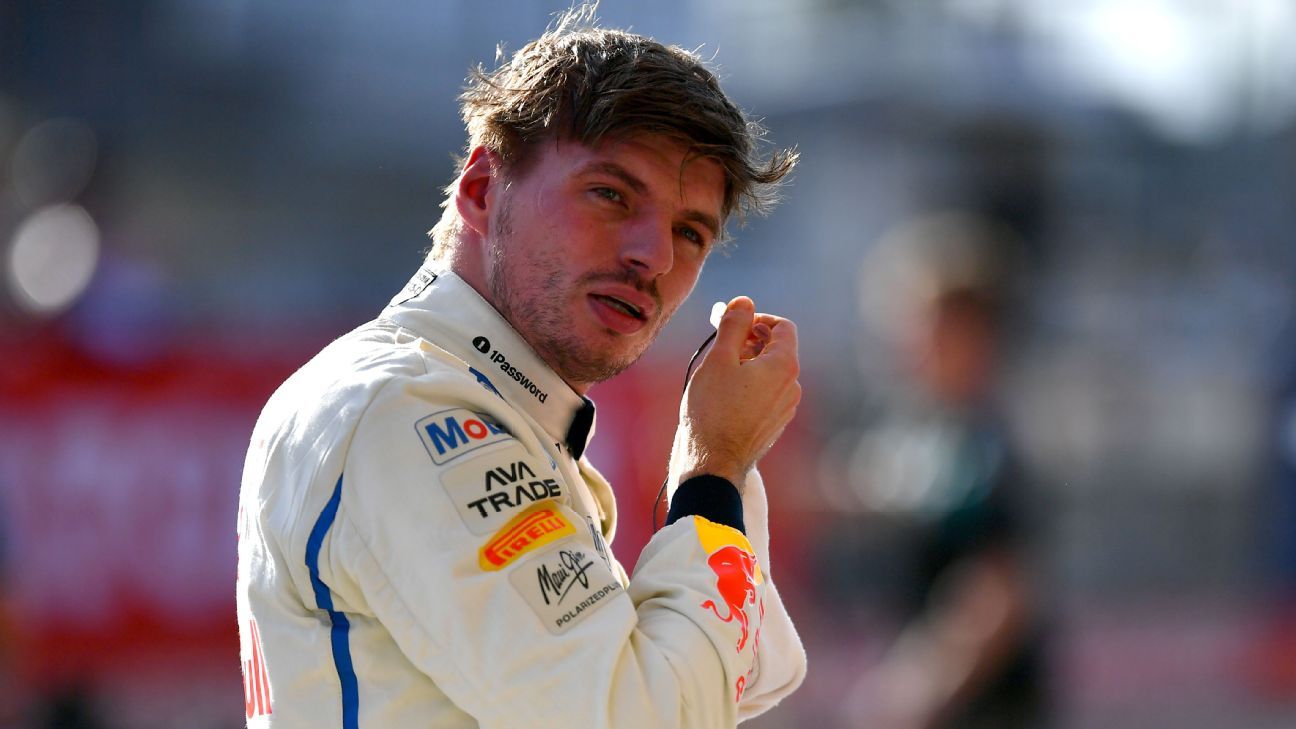
Max Verstappen is not ruling out racing in Rwanda. But the four-time Formula 1 world champion is not making promises about it either.

Speaking to Dutch journalists after qualifying for the United States Grand Prix in Austin on October 25, Verstappen was asked about the controversy surrounding Rwanda’s planned Grand Prix, including concerns over the country’s political situation and regional tensions with the Democratic Republic of Congo.

His response was brief: such concerns, he argued, could be raised about many countries around the world.

Asked about the possibility of competing in Rwanda, the Red Bull driver remained noncommittal. He said they would see when the time came, adding that he had visited the country before and considered it a nice place.

The comments put one of Formula 1’s biggest names into a conversation that will follow Rwanda as it prepares to host the sport in the early 2030s. They do not amount to an unconditional endorsement of the project, but they reflect a willingness to leave the question of racing there open.

A return that has taken more than 30 years

On October 13, Formula 1 announced a 10-year agreement to bring the championship back to Africa, with Rwanda set to host the Formula 1 African Grand Prix.

The sport last raced on the continent in 1993, when South Africa hosted the Grand Prix at Kyalami. Since then, Africa has remained absent from a championship that has expanded across Europe, Asia, the Americas and the Middle East.

Rwanda’s proposed circuit will be built in Bugesera, around 40 kilometres south of Kigali and near the new Kigali International Airport. The project is part of a wider ambition to attract international events, investment and tourism.

The inaugural race is expected in the early 2030s, although the precise date and further development milestones are yet to be announced.

Verstappen is already familiar with Rwanda. He visited Kigali in December 2024 for the FIA Awards ceremony, where he received his fourth consecutive drivers’ world championship trophy. Before the Grand Prix agreement was announced, he had also expressed enthusiasm about the possibility of Formula 1 returning to Africa.

The opportunity comes with scrutiny

Rwanda’s agreement is a significant development for African motorsport. But securing a place on the calendar is only the beginning.

The country faces questions over human rights and its role in the conflict in eastern Democratic Republic of Congo. Human rights organizations have documented allegations of repression and abuses, while Rwanda has faced international accusations over its support for M23 rebels. The Rwandan government has disputed aspects of the allegations against it.

These issues form part of the wider debate surrounding the Grand Prix, alongside questions about the project’s costs, infrastructure and the economic benefits it could deliver.

Verstappen’s observation that similar concerns can be raised about other countries does not resolve those questions. Nor does the arrival of Formula 1 make them irrelevant.

The challenge for Rwanda will be to demonstrate that the event can deliver lasting value, including local employment, business opportunities, tourism and pathways for African talent into motorsport.

What does this mean for Africa?

Formula 1’s return matters because the continent has spent decades outside a championship watched and followed by audiences across the world.

The question now is not simply whether Rwanda can stage a successful race. It is whether the event can help create a stronger African presence in a sport whose highest levels remain difficult to access for many young people on the continent.

That means looking beyond the race weekend to opportunities in engineering, mechanics, logistics, broadcasting, sponsorship and driver development. It also means asking how much of the investment and expertise will remain in Africa after the cars leave the circuit.

Verstappen has left open the possibility of racing in Rwanda. The larger story is that Formula 1 has committed to returning to Africa, with Rwanda chosen to lead that return.

The milestone is real. So is the work required to turn it into a lasting continental opportunity.

For Africa, the finish line should not be hosting a Grand Prix. It should be building a future in the sport.

Continue Reading

Trending

Copyright © 2026 Africadigitmedia.net. Website powered by ProDigit.