Connect with us

Entertainment

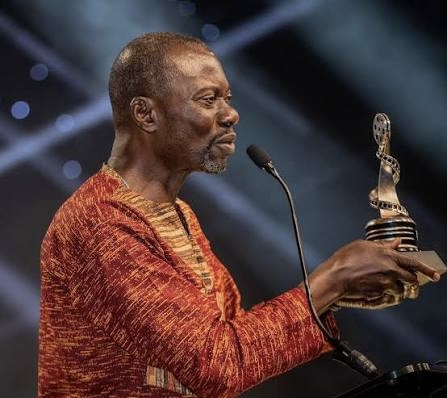
Les “Nounous” Star Gets the Support He Deserves all from one post

Fortuné Akpakpo spotted walking Abidjan streets sparks massive solidarity campaign, raising 40+ million FCFA ($72,000+)

Published

on

Abidjan/Grand‑Bassam — Fortuné Akpakpo, one of Côte d’Ivoire’s most celebrated actors and known for Les Nounous, recently became the center of a viral moment that turned into a massive outpouring of support.

A clip circulating online showed Fortuné walking through busy Abidjan streets in a simple shirt and pants, sometimes carrying a small bag, greeting fans politely while navigating crowds and traffic. He wasn’t wearing flashy or designer clothes, a striking contrast to the fame and awards he has earned.

This glimpse of Fortuné navigating everyday life caught the attention of Apoutchou National, Stéphane Agbré, Ivorian influencer and musician who shared that Fortuné doesn’t have a vehicle and sometimes travels by wôrô-wôrô (Local public and shared taxi), and as several people had recognized him, they wanted to do something for “our father.”

Moved by the situation, Apoutchou launched a solidarity campaign to improve Fortuné’s living conditions. Fans and colleagues quickly rallied, and the fundraiser surpassed its goal, collecting over 40 million FCFA in less than 48 hours.

The campaign promises Fortuné a villa in Grand‑Bassam, giving him a comfortable home after years of shaping Ivorian cinema. In addition, he’s set to receive a car, with a local dealership offering a discount to make it possible within the raised budget.

While Fortuné’s story sparked this wave of support, it also sheds light on a reality many African actors face. Fame on screen doesn’t always mean wealth off it. Some of the continent’s most celebrated stars may appear glamorous in the media, but the vast majority of actors work with smaller budgets, fewer endorsements, and limited international reach. Add in issues like piracy, inconsistent pay, and the need to juggle multiple jobs, and it becomes clear that stardom in African cinema rarely translates into Hollywood-style riches.

Continue Reading
Click to comment

Leave a Reply

Your email address will not be published. Required fields are marked *

Entertainment

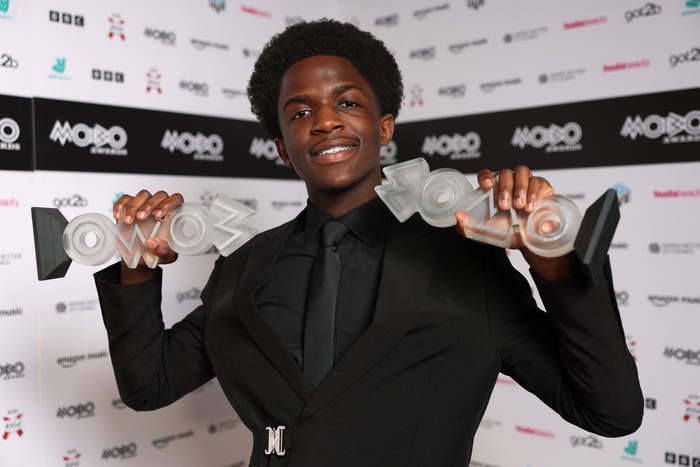
19 and Unstoppable: DC3 Leads Africa’s Stars at the 2026 MOBO Awards

Published

on

By

At just 19 years old, Zimbabwean‑British gospel rapper DC3 (Daniel Chenjerai) made history at the 2026 MOBO Awards, held on 26 March at Manchester’s Co‑op Live Arena. Winning two awards “Best Gospel Act and Best Newcomer”, he became one of the youngest artists ever to achieve such a feat, marking the arrival of a new wave of African talent on the global stage.

“DC3’s journey from freestyling in Zimbabwe to performing on one of the UK’s biggest music stages is a testament to his talent, faith, and determination. His gospel-rap tracks combine spiritual themes with contemporary beats, resonating with audiences across continents. At 19, he is already a symbol of Africa’s next generation of creative powerhouses.

While DC3 stole the spotlight with his youth and double win, the night also celebrated established African stars:

  • Wizkid won Best African Music Act, cementing his status as a global Afrobeats icon. His collaborations and hit songs continue to showcase Africa’s musical influence worldwide.
  • Ayra Starr took home Best International Act, proving that African artists are no longer confined to regional acclaim, they are shaping global music trends.
  • Niko Omilana, the British‑Nigerian creator, won Best Media Personality, highlighting the continent’s growing footprint beyond music into media, culture, and entertainment.

2026 MOBO Awards highlight the continent’s spectrum of talent, from emerging prodigies to world-renowned icons.

Continue Reading

Entertainment

Copyright Clash: Bad Bunny and emPawa Africa Face Court Battle

The dispute between Bad Bunny and parties linked to Joeboy began not as a courtroom battle, but as a disagreement over credit, ownership, and the global flow of music.

Published

on

By

In 2023, Mr Eazi publicly accused Bad Bunny’s team of using elements from Joeboy’s song “Empty My Pocket” in the track “Enséñame a Bailar” without proper authorization. Backed by his company, emPawa Africa, the claim was framed as more than a single dispute. It was presented as part of a broader concern: that African artists are often under-credited or overlooked when their sounds travel into global hits.

From emPawa’s perspective, the issue was straightforward. They argued that the original creators Joeboy and producer Dera deserved recognition and compensation, and that attempts to resolve the matter privately had failed. The move toward legal action, in their view, was a necessary step to protect creative rights and assert ownership on an international stage.

Bad Bunny’s camp, however, rejected those claims. His team maintained that any elements used in the song had been legally cleared through proper channels, including third-party agreements. They argued that the dispute was not about theft, but about confusion over who actually held the rights to the material in question. In that sense, what appeared publicly as a copyright clash was, from their standpoint, a business disagreement over licensing.

The conflict eventually escalated into a lawsuit filed in the United States by producer Dera, with support from emPawa Africa. But rather than delivering a decisive ruling on the underlying claims, the case took an unexpected turn. The plaintiffs failed to meet key legal obligations missing deadlines, losing legal representation, and not appearing in court. As a result, the judge dismissed the case, effectively ending it without determining whether infringement had occurred.

That dismissal marked a turning point. With the lawsuit no longer active, Bad Bunny’s legal team shifted focus, asking the court to order emPawa Africa to reimburse more than $456,000 in legal fees. Their argument is that the case was not only weak but also improperly handled, leading to unnecessary costs that should now be recovered.

The request notably targets emPawa Africa rather than the individual who filed the lawsuit, placing responsibility on the company that supported and financed the legal action. For Bad Bunny’s team, the issue is now about accountability who should bear the financial consequences of a case that collapsed before it could be fully argued.

For emPawa, the earlier position suggests a different framing: a defense of artistic ownership and a push for fair recognition of African creators in a global industry where influence often travels faster than credit.

What began as a question of whether a song borrowed too much has since evolved into something broader. It is now a test of how far companies are willing to go to defend creative right and what happens when those efforts fall short in court.

Continue Reading

Entertainment

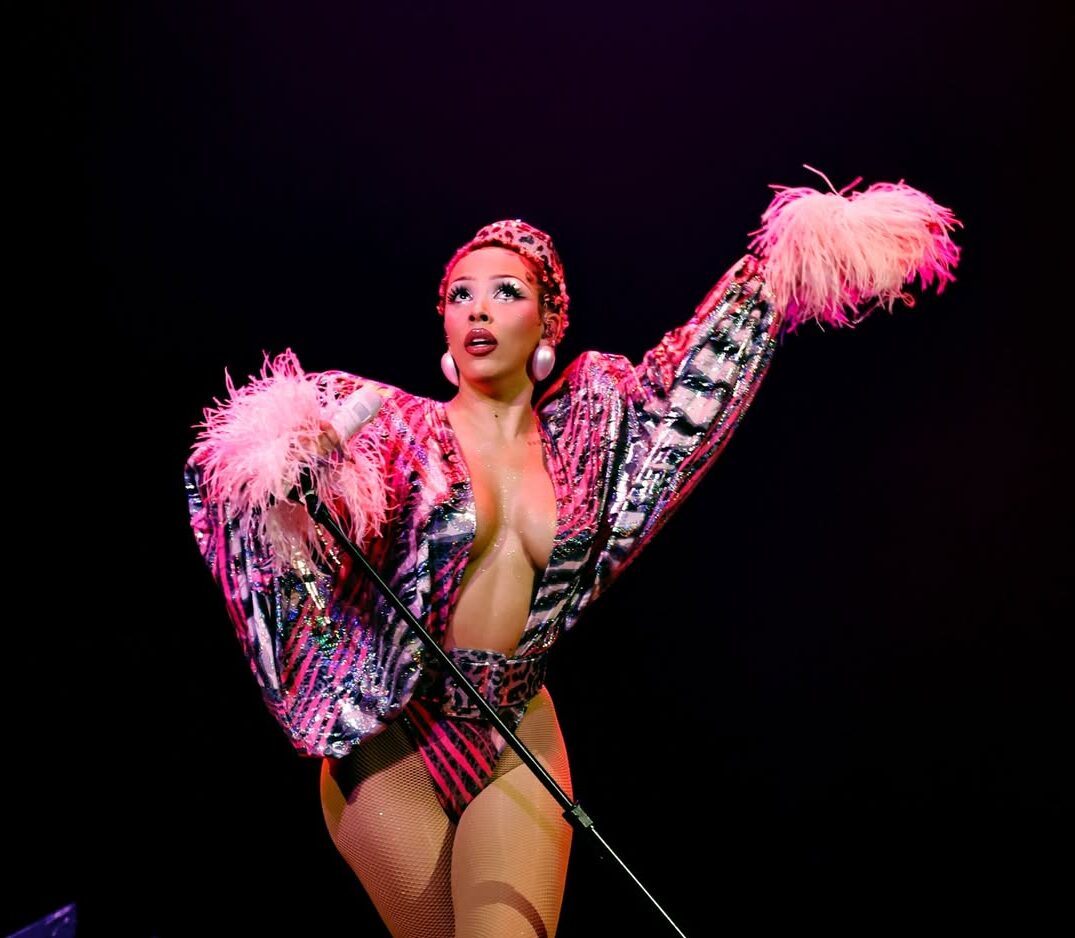
Doja Cat’s Move Afrika Tour: From Kigali’s Historic Debut to Pretoria’s Emotional Homecoming
Published

on

By

Grammy Award-winning global superstar Doja Cat delivered a pair of defining performances on the 2026 Move Afrika tour, transforming her long-awaited African debut into a cultural milestone across two cities.

The tour launched on March 17 at BK Arena in Kigali, marking Doja Cat’s first-ever live performance on the African continent. The sold-out crowd was met with a high-impact set blending precision choreography, bold visuals, and fan-favorite hits.

From the opening moments, the energy inside the arena was unmistakable. Performances of tracks like Get Into It (Yuh)ignited the audience, with synchronized dance routines and rapid-fire transitions keeping momentum high. Attendees flooded social media with clips of the show’s striking visuals and futuristic styling, underscoring the night’s significance not just as a concert, but as a statement: Kigali has firmly positioned itself on the global touring map.

Three days later, the tour reached Pretoria, where the atmosphere shifted from celebratory to deeply personal. Performing at the SunBet Arena, Doja Cat stepped onto the stage in a country tied to her heritage, adding emotional gravity to an already high-profile show.

The crowd response was immediate and electric. Fans arrived in bold, fashion-forward looks inspired by Doja’s aesthetic, fused with distinctly local Afrofuturistic influences. South African vocal group The Joy opened the night, layering the event with rich harmonies and reinforcing its cultural resonance.

As chants of “Zandile” echoed through the arena using Doja Cat’s given name the connection between artist and audience became unmistakable. Closing the night, she addressed the crowd with visible emotion:
“For a place that I never been to, I sure do feel like l’ve been here before. That’s what’s special about South Africa”.
The moment quickly spread online, capturing the tour’s emotional core.

Move Afrika, led by Global Citizen, is designed to do more than bring global stars to African stages. The initiative focuses on building long-term touring infrastructure, supporting local economies, and expanding opportunities within the continent’s creative industries.

By pairing international acts with local talent and world-class production, the project aims to establish a sustainable circuit that keeps both cultural and economic value within Africa.

Continue Reading

Trending

Copyright © 2026 Africadigitmedia.net. Website powered by ProDigit.