Connect with us

Politics

King Charles III Hosts Nigeria’s President in Windsor After 37 Years

Published

on

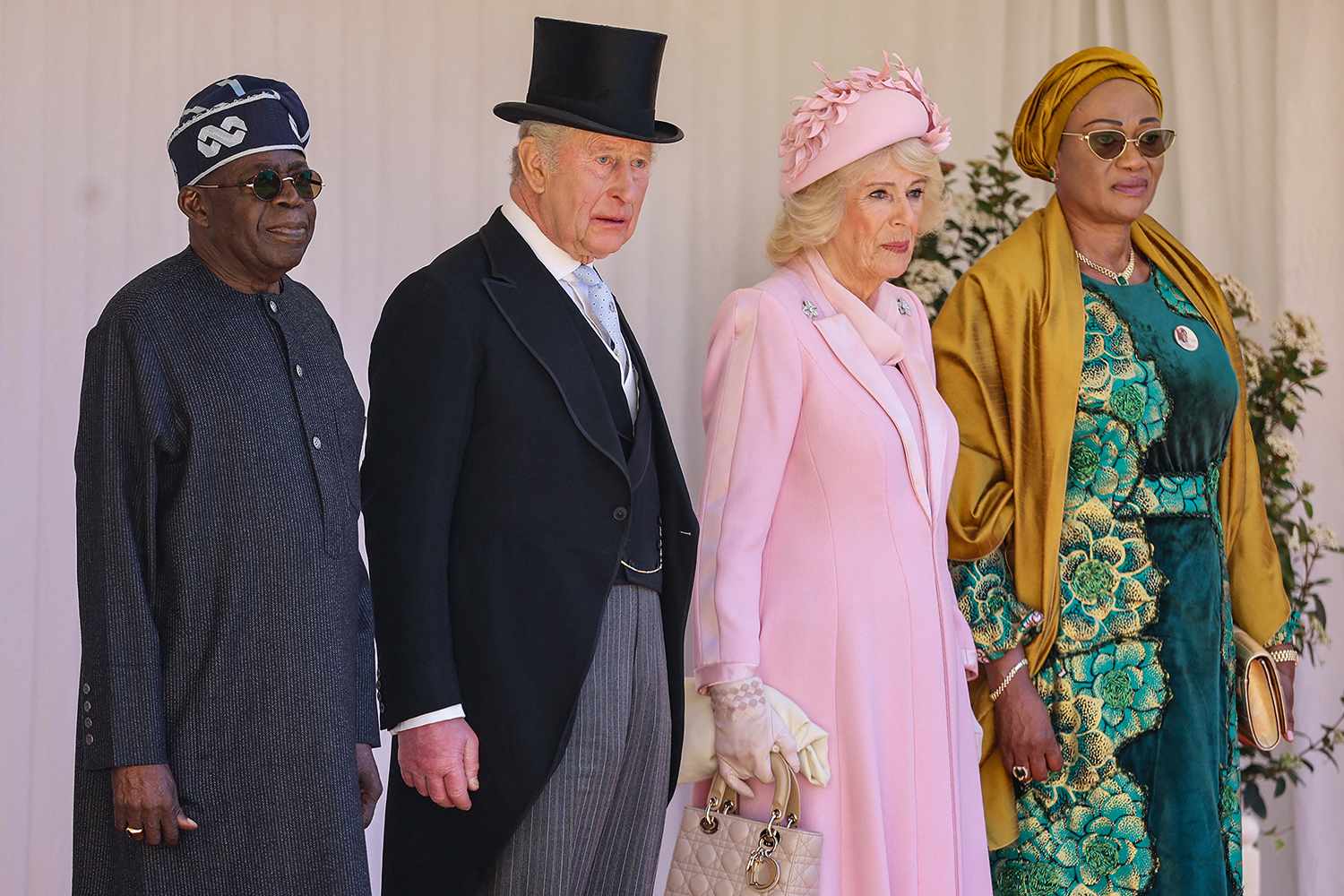
On Wednesday, 18 March 2026, the lawns of Windsor Castle bore witness to a rare and symbolic moment in the history of international diplomacy. Their Majesties King Charles III and Queen Camilla, flanked by The Prince and Princess of Wales, formally welcomed President Bola Ahmed Tinubu and First Lady Oluremi Tinubu of Nigeria, the first Nigerian head‑of‑state visit to the United Kingdom in 37 years.

The significance of this event cannot be understood without tracing the long arc of ties between the United Kingdom and Nigeria, a relationship that stretches back more than a century, through colonial rule, independence, and evolving partnership.

By the late 1800s, Britain had established control over the territories that would become Nigeria. Local kingdoms, emirates, and chiefdoms were brought under British administration, culminating in the formal creation of the Colony and Protectorate of Nigeria in 1914. For decades, the country remained under British governance, its institutions shaped by colonial law and policy.

The momentum toward self‑rule surged in the mid‑20th century. After years of constitutional reform and political agitation by Nigerian leaders and nationalists, the Nigerian Independence Act was passed by the British Parliament. On 1 October 1960, at precisely midnight, the green‑white‑green flag was raised over Lagos as the Union Jack was lowered. Nigeria became a sovereign state within the Commonwealth, with Queen Elizabeth II as head of state. Princess Alexandra represented the Queen at the independence celebrations, underlining both the pageantry and gravity of the transition.

Just three years later, Nigeria opted to become a republic, replacing the Queen with a Nigerian president as head of state while remaining within the Commonwealth. Though the constitutional relationship changed, diplomatic links endured.

During the 1960s through the 1980s, Nigerian leaders occasionally visited the United Kingdom, and Queen Elizabeth II made state visits to Nigeria. However, after President Ibrahim Babangida’s visit in 1989, no Nigerian head of state made a full state visit to Britain for nearly four decades. Political shifts, internal challenges in Nigeria, and changes in global geopolitics contributed to this long gap.
That silence ended in 2026.

President Tinubu and the First Lady arrived in the United Kingdom with senior officials, welcomed at Windsor Castle by members of the British royal family. The ceremonial honours unfolded in classic state visit style: a procession, military salutes, and the meticulous observation of protocol.

Photographs from the day captured a moment that quickly drew global attention, a dignified and seemingly spontaneous instance where King Charles III and President Tinubu were seen walking hand in hand as they exited the official greeting. While not part of formal protocol, the gesture was widely commented on for its warmth and human dimension in a space defined by ceremony.

Because the visit coincided with Ramadan, the traditional mid‑day luncheon was omitted from official proceedings. Instead, the programme pivoted to an evening state banquet in St George’s Hall at Windsor, where speeches were exchanged, and cultural connections highlighted through music, art, and displays drawn from the Royal Collection, including works with deep Nigerian heritage.

The Princess of Wales, Princess Kate, played a visible role in the reception, greeting the Nigerian presidential couple upon arrival at Fairmont Windsor Park. Notably, her attire included work by British‑Nigerian designer Tolu Coker, a choice that resonated with observers as a subtle but meaningful nod to Nigeria’s cultural influence.

The state visit was more than a ceremonial exchange between heads of state. It was an embodiment of a complex and evolving relationship, one that began in colonial control, transformed through independence, and now continues in a partnership marked by diplomacy, commerce, and diaspora ties.

Continue Reading
Click to comment

Leave a Reply

Your email address will not be published. Required fields are marked *

Politics

Kenya Pays KSh 3.9 Billion to Lock in AFCON 2027 Hosting

Published

on

By

Kenya has officially secured its spot as a co-host for the 2027 Africa Cup of Nations (AFCON) after paying the required KSh 3.9 billion (approximately $30 million) hosting fee to the Confederation of African Football (CAF).

The payment, completed in late March 2026, comes after weeks of scrutiny and pressure from CAF, which had set strict deadlines for co-host nations. Uganda and Tanzania had already fulfilled their financial obligations, leaving Kenya as the final piece in the tri-nation hosting puzzle. Sports Cabinet Secretary Salim Mvurya confirmed the government had met the full financial requirement, removing any uncertainty about Kenya’s participation.

This historic 36th edition of AFCON will run from 19 June to 18 July 2027, marking the first time the tournament will be jointly hosted by three countries. The competition will feature an expanded 28-team format, promising more matches and greater fan engagement across East Africa.

By settling the hosting fee, Kenya not only guarantees its involvement but also unlocks preparations for stadium upgrades, logistics, and promotional activities ahead of the continent’s premier football event.

Continue Reading

Politics

Uganda Launches First National Migration Policy

Published

on

By

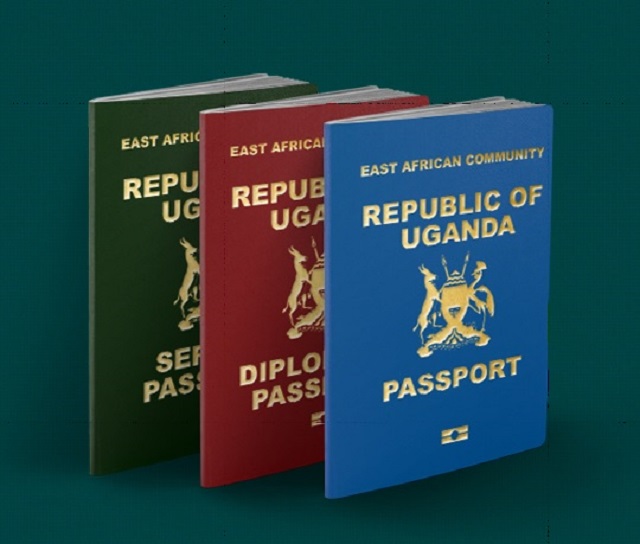
Uganda unveiled its first-ever National Migration Policy, marking a significant milestone in the country’s approach to managing human movement. The policy provides a unified framework for regulating migration, protecting migrant rights, and linking migration with national development priorities.

The policy, approved by Cabinet in August 2025 and formally launched in March 2026 by Vice President Jessica Alupo, comes in response to increasing migration challenges in the country. Uganda hosts nearly two million refugees and experiences growing labor migration, particularly to the Middle East, highlighting the need for clearer guidelines and stronger institutional coordination.

Government officials say the policy aims to create a predictable and secure environment for the legal movement of people while maximizing the social and economic benefits of migration. It emphasizes the protection of vulnerable groups, including women, children, the elderly, and persons with disabilities, and seeks to integrate the Ugandan diaspora into national development planning through remittances and knowledge exchange.

The policy also addresses broader regional considerations. Uganda is part of multiple regional agreements, including the East African Community (EAC) and the Intergovernmental Authority on Development (IGAD), and the policy is designed to harmonize domestic migration governance with these frameworks. Officials hope this will enhance regional cooperation and ensure that Uganda continues to play a constructive role in managing migration across borders.

Implementation will focus on strengthening institutional capacity, improving migration data systems, and coordinating across government agencies. Authorities have noted that while the policy does not replace existing refugee or labor laws, it provides a cohesive structure that brings together all aspects of migration management, from border control to labor mobility.

Analysts say the new policy positions Uganda to better respond to the challenges of modern migration, including irregular movement, human trafficking, and refugee integration, while also leveraging migration as an engine for economic growth. By establishing clear guidelines and enhancing coordination, Uganda aims to create a system that balances security, rights, and development benefits.

Continue Reading

Politics

France Aligns with Spain and Italy on US Military Flight Restrictions

Published

on

By

France has moved to restrict United States military aircraft movements over its territory, joining Spain and Italy in tightening control over airspace access amid escalating tensions surrounding the Iran war.

The decision does not amount to a total ban, but signals a shift in Europe’s posture toward the conflict and Washington’s military operations. French authorities are now reviewing requests for US military overflights on a case-by-case basis, with reports indicating that some flights, particularly those linked to weapons transport, have been denied clearance.

Spain has taken the strongest stance among the three countries, fully blocking US military use of its airspace and bases for operations connected to the conflict. The move marks a clear refusal to support missions tied to the war.

Italy, while stopping short of a full airspace closure, has also pushed back by denying access to a key US-operated base in Sicily. Officials cited procedural and authorization concerns, signaling reluctance to facilitate direct involvement.

The coordinated though not identical actions by the three European nations reflect growing unease over the trajectory of the conflict and the risk of deeper regional escalation. Leaders in parts of Europe have raised concerns about the legality and broader implications of the military campaign, choosing to limit their level of participation.

These developments highlight emerging divisions among Western allies, particularly within NATO, as countries weigh their strategic partnerships against domestic political pressure and the potential consequences of the war.

While the United States continues to rely on European infrastructure for military logistics, the evolving restrictions suggest that support from key allies may no longer be guaranteed as the conflict intensifies.

Continue Reading

Trending

Copyright © 2026 Africadigitmedia.net. Website powered by ProDigit.