Connect with us

Politics

Macron in Tokyo: A Push for Peace and Stronger Ties

Published

on

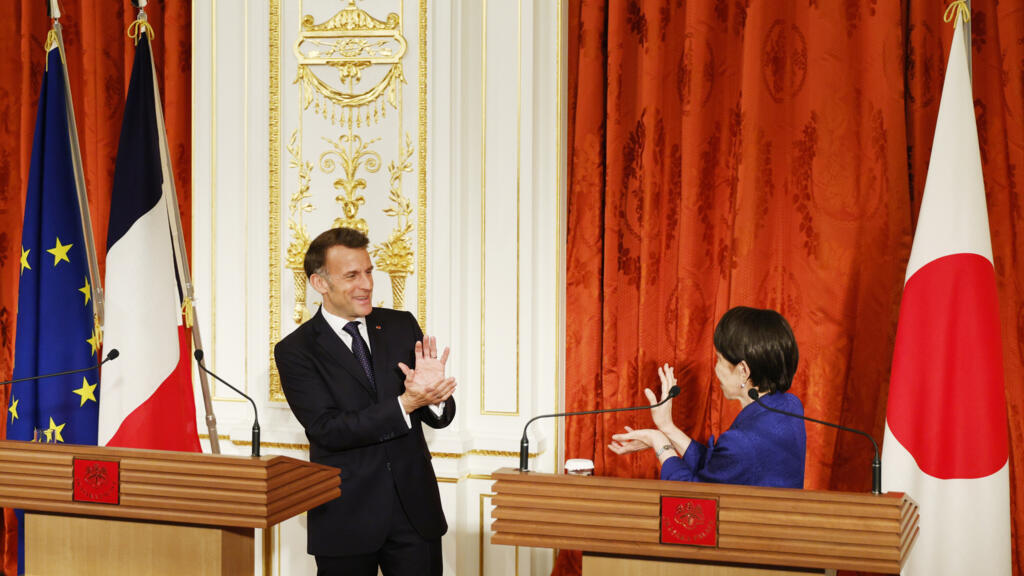
French President Emmanuel Macron arrived in Tokyo this week, urging a ceasefire in the Middle East while strengthening France’s partnership with Japan across defense, energy, and technology.

At a critical moment for global security, Emmanuel Macron wrapped up a two-day visit to Tokyo, meeting with Prime Minister Sanae Takaichi to address escalating tensions in the Middle East and explore closer cooperation between the two nations. With the ongoing conflict disrupting maritime traffic through the Strait of Hormuz, vital for Japan’s energy imports, Macron called for an immediate ceasefire and emphasized the importance of stability, free navigation, and international law.

The discussions quickly moved beyond diplomacy. Macron and Takaichi outlined a shared vision for a stronger bilateral partnership, focusing on areas from defense to technology. They committed to deepening security collaboration through joint exercises and personnel exchanges, while also advancing cooperation in energy and civilian nuclear technology. Both leaders highlighted the strategic importance of critical minerals and rare earth supply chains, aiming to reduce reliance on single sources and bolster industrial resilience.

Innovation and future-focused partnerships were also central to the visit. Macron toured Japanese technology ventures, including space initiatives, signaling a commitment to shared progress in science and innovation. The visit was not without cultural resonance: the French president met Emperor Naruhito and Empress Masako, reinforcing the historical ties between the two nations and sharing light-hearted moments that captured global attention.

Macron’s Tokyo stop is part of a wider Asia tour, with his next destination South Korea, positioning France as a proactive diplomatic player in the region. Analysts note that this visit sets the stage for the G7 Summit, where energy security, defense, and technology cooperation are expected to dominate discussions.

By combining a call for peace with concrete strategic agreements, Macron’s trip signals France’s intent to be a reliable partner in Asia. For Japan, the strengthened ties offer security and economic stability at a time of heightened regional uncertainty, marking a significant moment in the evolving Franco-Japanese partnership.

Continue Reading
Click to comment

Leave a Reply

Your email address will not be published. Required fields are marked *

Politics

Kenya Reverses Fuel Price Hike Within 24 Hours Amid Public Pressure

Published

on

By

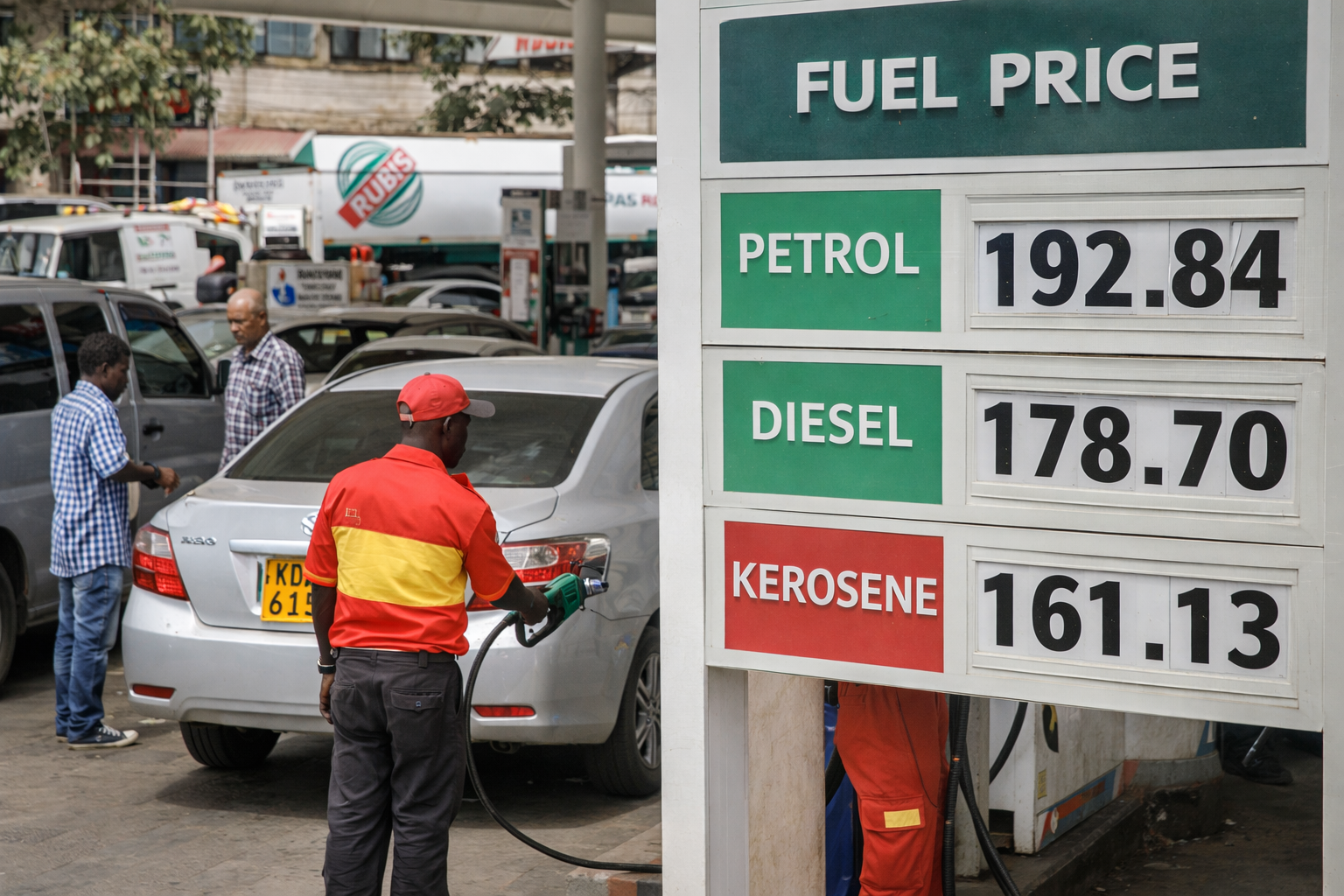
Kenya has announced a significant reduction in fuel prices, offering relief to consumers and businesses just hours after a sharp increase triggered public concern.

The Energy and Petroleum Regulatory Authority (EPRA) confirmed that the new prices, based on Nairobi reference rates, will take effect from April 16 to May 14, 2026, following a government directive to lower the Value Added Tax (VAT) on petroleum products from 13% to 8%.

The decision was made after intervention by President William Ruto, who moved to ease pressure on consumers following widespread backlash over the sudden price hike.

Under the revised pricing structure, petrol will retail at approximately KSh 197.60 per litre, reflecting a drop of about KSh 9.37, while diesel will decrease by roughly KSh 10.21 to around KSh 196.63 per litre. Meanwhile, kerosene remains unchanged at approximately KSh 152.78 per litre, as it continues to benefit from subsidies aimed at protecting low-income households.

The reduction comes barely 24 hours after EPRA had increased fuel prices to over KSh 206 per litre for both petrol and diesel, a move driven by rising global crude oil prices and exchange rate pressures. The sharp increase had sparked concern among transport operators and businesses, with fears of a ripple effect on the cost of living.

By lowering VAT, the government sought to cushion consumers from external market shocks and stabilize domestic fuel costs. The adjustment is expected to ease pressure on transport fares and commodity prices, which are closely tied to fuel costs.

Despite the relief, fuel prices in Kenya remain relatively high compared to several neighboring countries, reflecting ongoing volatility in global energy markets.

The swift reversal highlights both the sensitivity of fuel pricing in Kenya’s economy and the government’s responsiveness to public reaction, as attention now turns to whether further adjustments will be needed in the coming months.

Continue Reading

Politics

Trump Threatens UK Trade Deal

Published

on

By

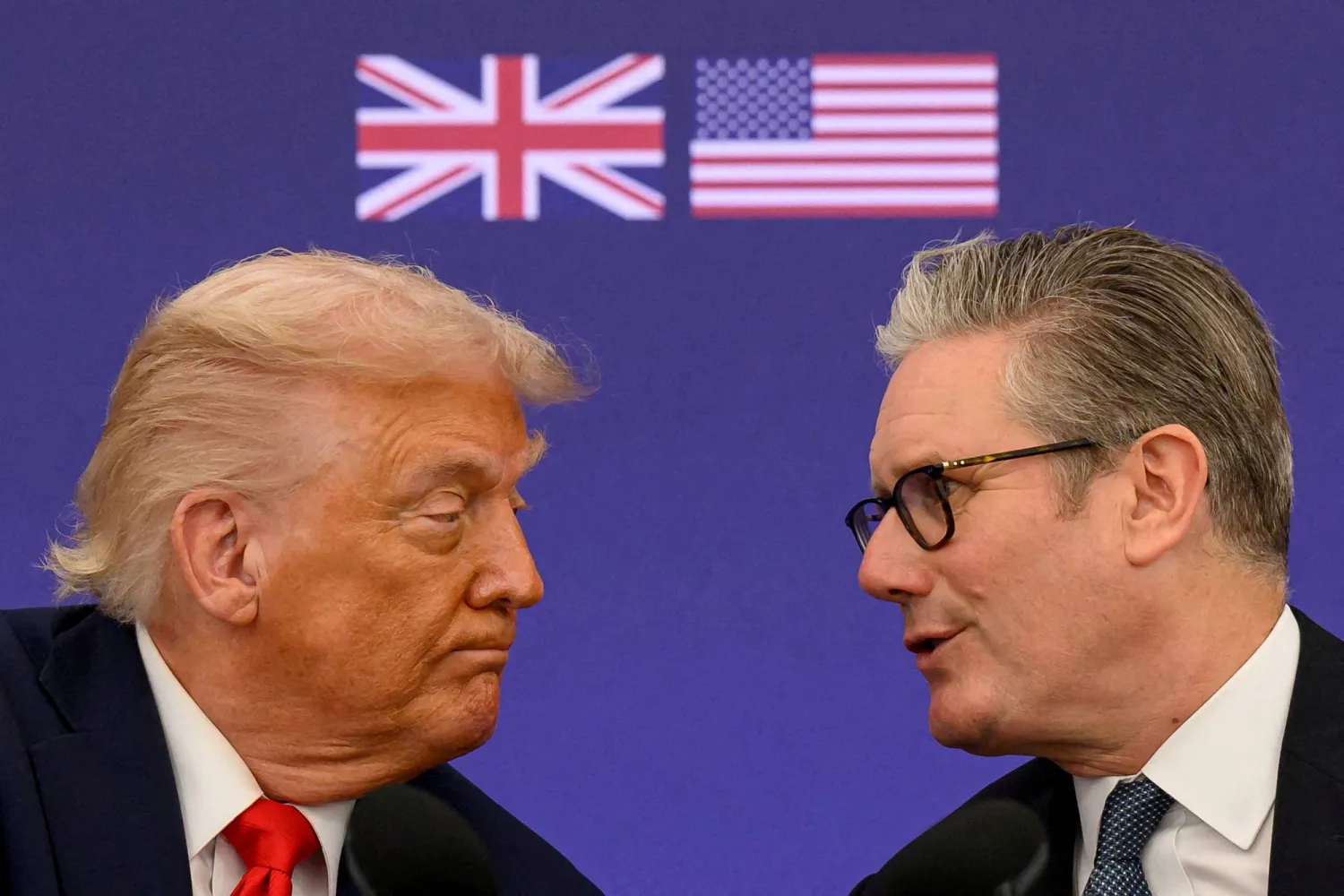
In April 2026, tensions between the United States and the United Kingdom escalated after US President Donald Trump suggested that the existing UK–US trade agreement could be revised or reconsidered following disagreements over the Iran conflict.

The comments came after the UK government, led by Prime Minister Keir Starmer, declined to support US military operations against Iran. Britain’s decision was based on its assessment of national interest and concerns over further escalation in the Middle East.

Following the refusal, Trump publicly criticized the UK’s position and indicated that the trade deal signed in 2025 could be adjusted if policy differences continue. His remarks raised concerns about the stability of the economic agreement between the two allies.

Despite the political pressure, there has been no formal move to cancel or suspend the trade deal. UK officials have maintained that foreign policy decisions will not be influenced by trade threats and have stood by their position on the Iran conflict.

The dispute highlights a broader strain in UK–US relations, particularly as both countries take different approaches to international security issues. However, both sides continue to cooperate through long-standing frameworks such as NATO and intelligence-sharing agreements.

At this stage, analysts describe the situation as a period of heightened diplomatic tension rather than a breakdown in relations. The so-called “special relationship” remains in place, but the episode reflects growing friction over global strategy and the increasing use of economic leverage in foreign policy disputes.

Continue Reading

Politics

MONUSCO Enters Leadership Transition Phase in the DRC

Published

on

By

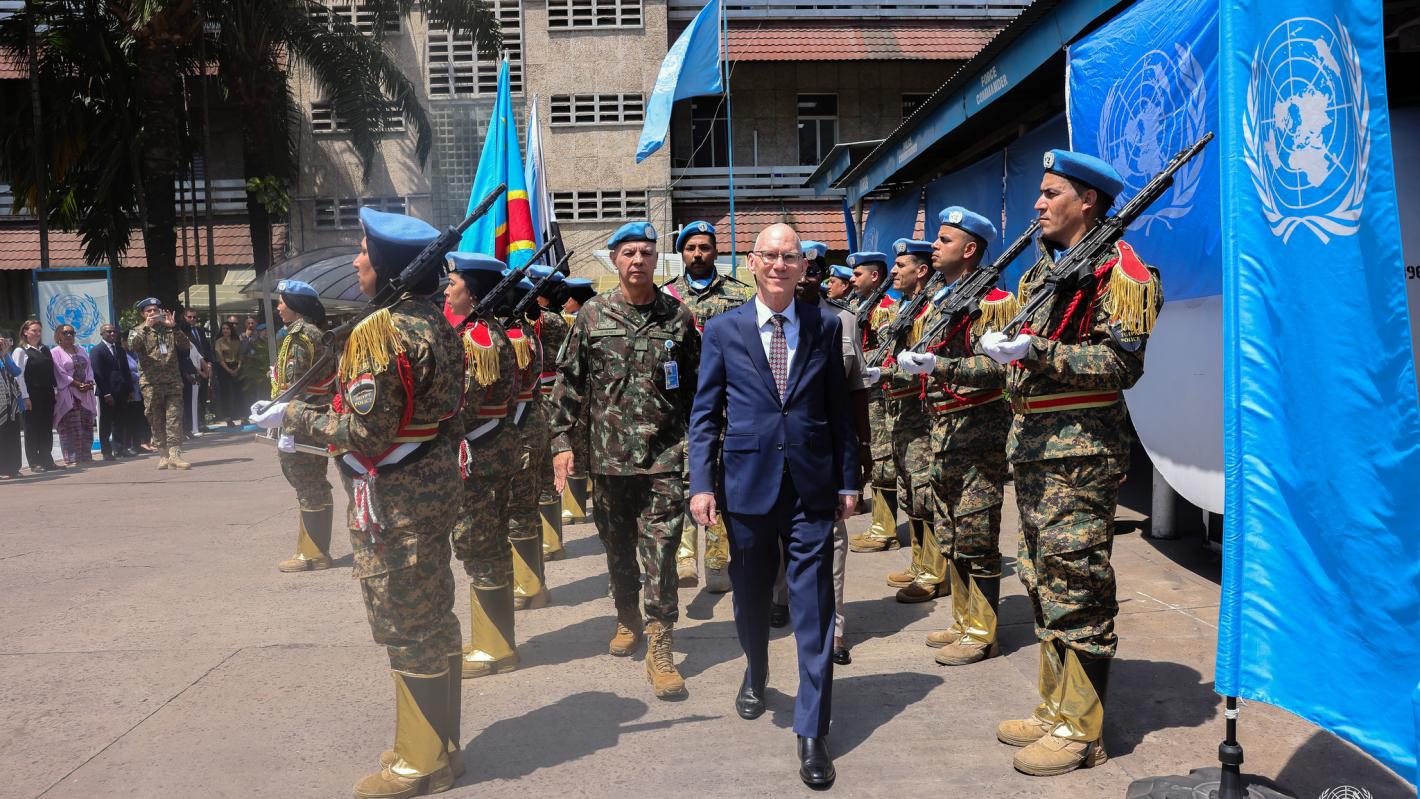
Reports indicate that a new leadership transition is underway within the United Nations peacekeeping mission in the Democratic Republic of the Congo under MONUSCO, with a newly appointed senior UN representative expected to assume duties in the country.

While the United Nations routinely deploys newly appointed mission heads to the DRC after official confirmation in New York, the exact timing and details of the latest arrival remain unverified publicly. Typically, incoming Special Representatives travel to Kinshasa to formally take over leadership and begin coordination with national authorities and peacekeeping command structures.

MONUSCO continues to operate in a complex environment, particularly in eastern DRC, where armed group activity, displacement, and regional tensions remain ongoing challenges. Leadership transitions in the mission are part of its normal operational cycle as mandates are renewed and personnel rotate.

Historically, incoming heads of MONUSCO have always physically arrived in the country to assume command, often beginning with high-level meetings in Kinshasa before engaging field operations in regions such as North Kivu and Ituri.

At this stage, officials have not released full public confirmation regarding the exact arrival date or on-the-ground activities of the incoming leadership.

Continue Reading

Trending

Copyright © 2026 Africadigitmedia.net. Website powered by ProDigit.