Connect with us

Politics

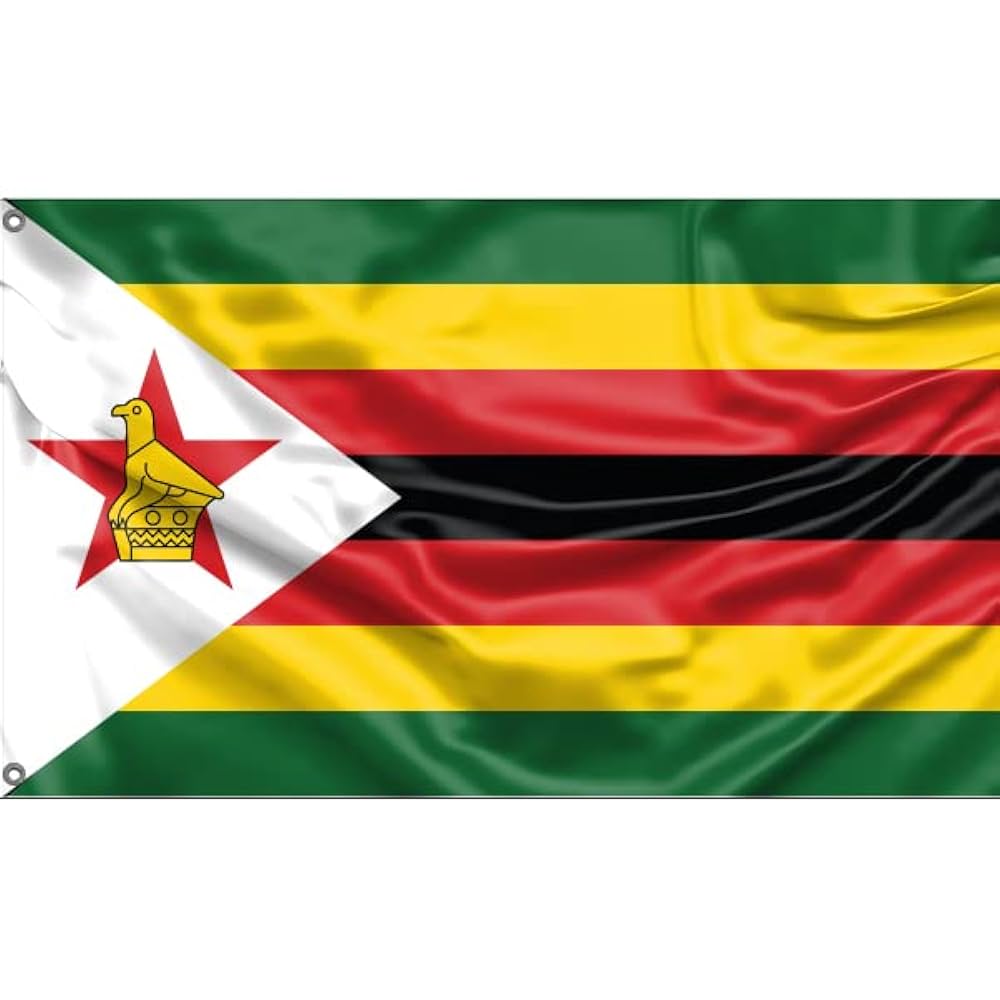
Zimbabwe Pushes UNSC Bid in State House UN Talks

Published

on

Zimbabwe is stepping up its diplomatic push for a non-permanent seat on the United Nations Security Council (UNSC) for the 2027–2028 term, as it continues to engage international partners in high-level discussions aimed at strengthening its global support ahead of the vote scheduled for 2026.

The bid, which was officially launched in 2025 by President Emmerson Mnangagwa, is part of Harare’s broader foreign policy strategy that emphasizes multilateral cooperation, international peace, and increased participation in global governance. Zimbabwe is seeking to represent the African region in one of the rotating seats on the Security Council, a position that is elected by the United Nations General Assembly.
As part of this campaign, Zimbabwe has been hosting visiting United Nations-linked diplomatic delegations in Harare, with engagements taking place at State House. These meetings form part of standard pre-election consultations where candidate countries present their priorities and outline their vision for global peace and security.

During the discussions, the government has been presenting its policy direction and diplomatic agenda, highlighting its commitment to international cooperation and its desire to contribute more actively to decisions affecting global stability. The engagements also serve as an opportunity for visiting envoys to familiarise themselves with Zimbabwe’s governance priorities and diplomatic positions ahead of the election process in New York.

The United Nations Security Council election process involves a vote by all member states in the General Assembly, where candidates must secure a two-thirds majority to win a non-permanent seat. If successful, Zimbabwe would serve a two-year term from 2027 to 2028.

The ongoing visits and State House meetings reflect a wider pattern of diplomatic activity linked to Zimbabwe’s campaign, as it intensifies efforts to secure international backing in the months leading up to the election.

Continue Reading
Click to comment

Leave a Reply

Your email address will not be published. Required fields are marked *

Politics

Kenya Reverses Fuel Price Hike Within 24 Hours Amid Public Pressure

Published

on

By

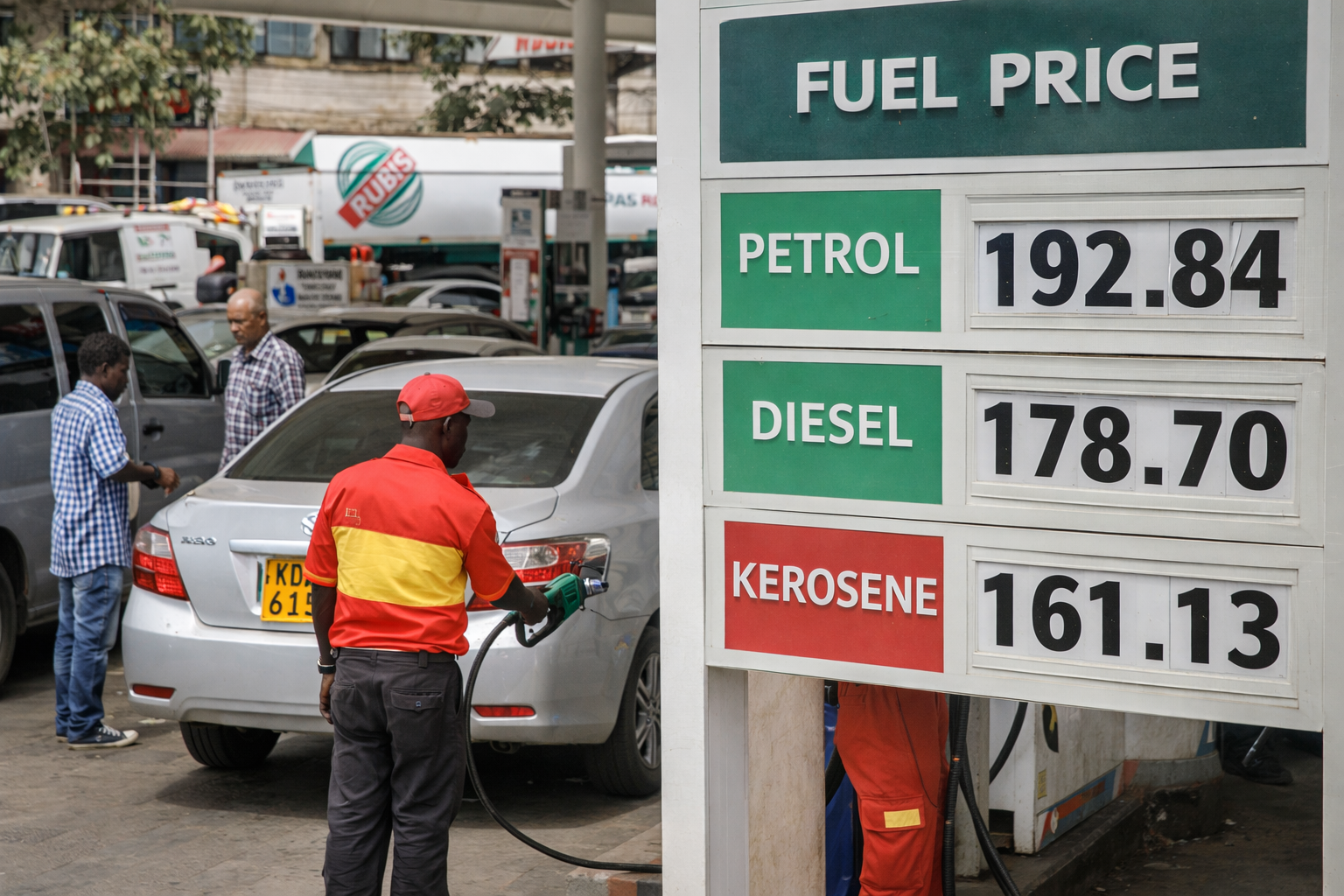
Kenya has announced a significant reduction in fuel prices, offering relief to consumers and businesses just hours after a sharp increase triggered public concern.

The Energy and Petroleum Regulatory Authority (EPRA) confirmed that the new prices, based on Nairobi reference rates, will take effect from April 16 to May 14, 2026, following a government directive to lower the Value Added Tax (VAT) on petroleum products from 13% to 8%.

The decision was made after intervention by President William Ruto, who moved to ease pressure on consumers following widespread backlash over the sudden price hike.

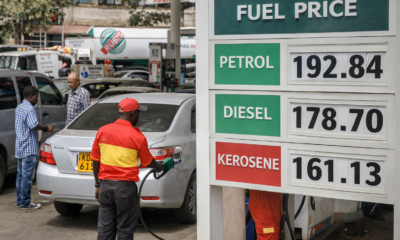
Under the revised pricing structure, petrol will retail at approximately KSh 197.60 per litre, reflecting a drop of about KSh 9.37, while diesel will decrease by roughly KSh 10.21 to around KSh 196.63 per litre. Meanwhile, kerosene remains unchanged at approximately KSh 152.78 per litre, as it continues to benefit from subsidies aimed at protecting low-income households.

The reduction comes barely 24 hours after EPRA had increased fuel prices to over KSh 206 per litre for both petrol and diesel, a move driven by rising global crude oil prices and exchange rate pressures. The sharp increase had sparked concern among transport operators and businesses, with fears of a ripple effect on the cost of living.

By lowering VAT, the government sought to cushion consumers from external market shocks and stabilize domestic fuel costs. The adjustment is expected to ease pressure on transport fares and commodity prices, which are closely tied to fuel costs.

Despite the relief, fuel prices in Kenya remain relatively high compared to several neighboring countries, reflecting ongoing volatility in global energy markets.

The swift reversal highlights both the sensitivity of fuel pricing in Kenya’s economy and the government’s responsiveness to public reaction, as attention now turns to whether further adjustments will be needed in the coming months.

Continue Reading

Politics

Trump Threatens UK Trade Deal

Published

on

By

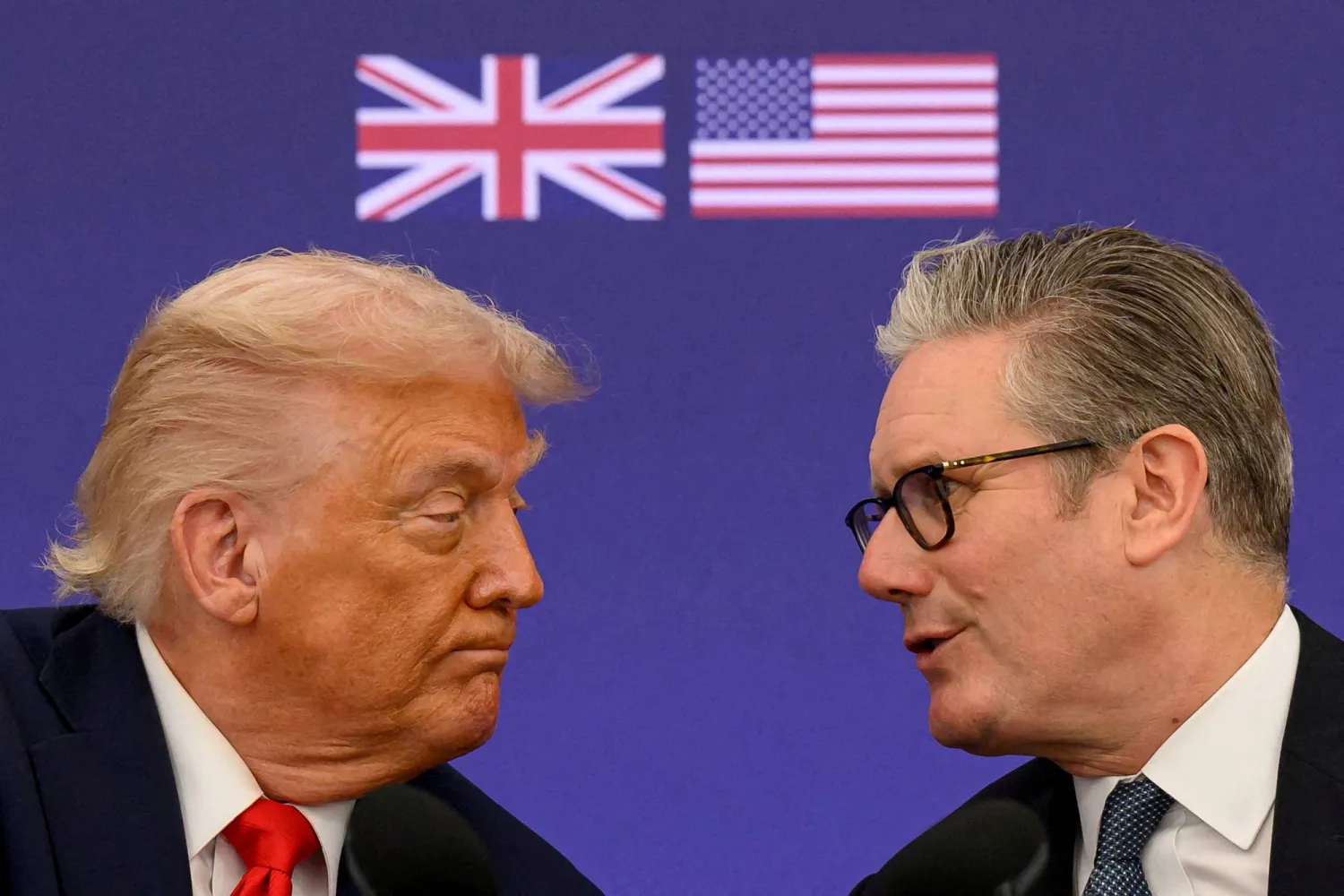
In April 2026, tensions between the United States and the United Kingdom escalated after US President Donald Trump suggested that the existing UK–US trade agreement could be revised or reconsidered following disagreements over the Iran conflict.

The comments came after the UK government, led by Prime Minister Keir Starmer, declined to support US military operations against Iran. Britain’s decision was based on its assessment of national interest and concerns over further escalation in the Middle East.

Following the refusal, Trump publicly criticized the UK’s position and indicated that the trade deal signed in 2025 could be adjusted if policy differences continue. His remarks raised concerns about the stability of the economic agreement between the two allies.

Despite the political pressure, there has been no formal move to cancel or suspend the trade deal. UK officials have maintained that foreign policy decisions will not be influenced by trade threats and have stood by their position on the Iran conflict.

The dispute highlights a broader strain in UK–US relations, particularly as both countries take different approaches to international security issues. However, both sides continue to cooperate through long-standing frameworks such as NATO and intelligence-sharing agreements.

At this stage, analysts describe the situation as a period of heightened diplomatic tension rather than a breakdown in relations. The so-called “special relationship” remains in place, but the episode reflects growing friction over global strategy and the increasing use of economic leverage in foreign policy disputes.

Continue Reading

Politics

MONUSCO Enters Leadership Transition Phase in the DRC

Published

on

By

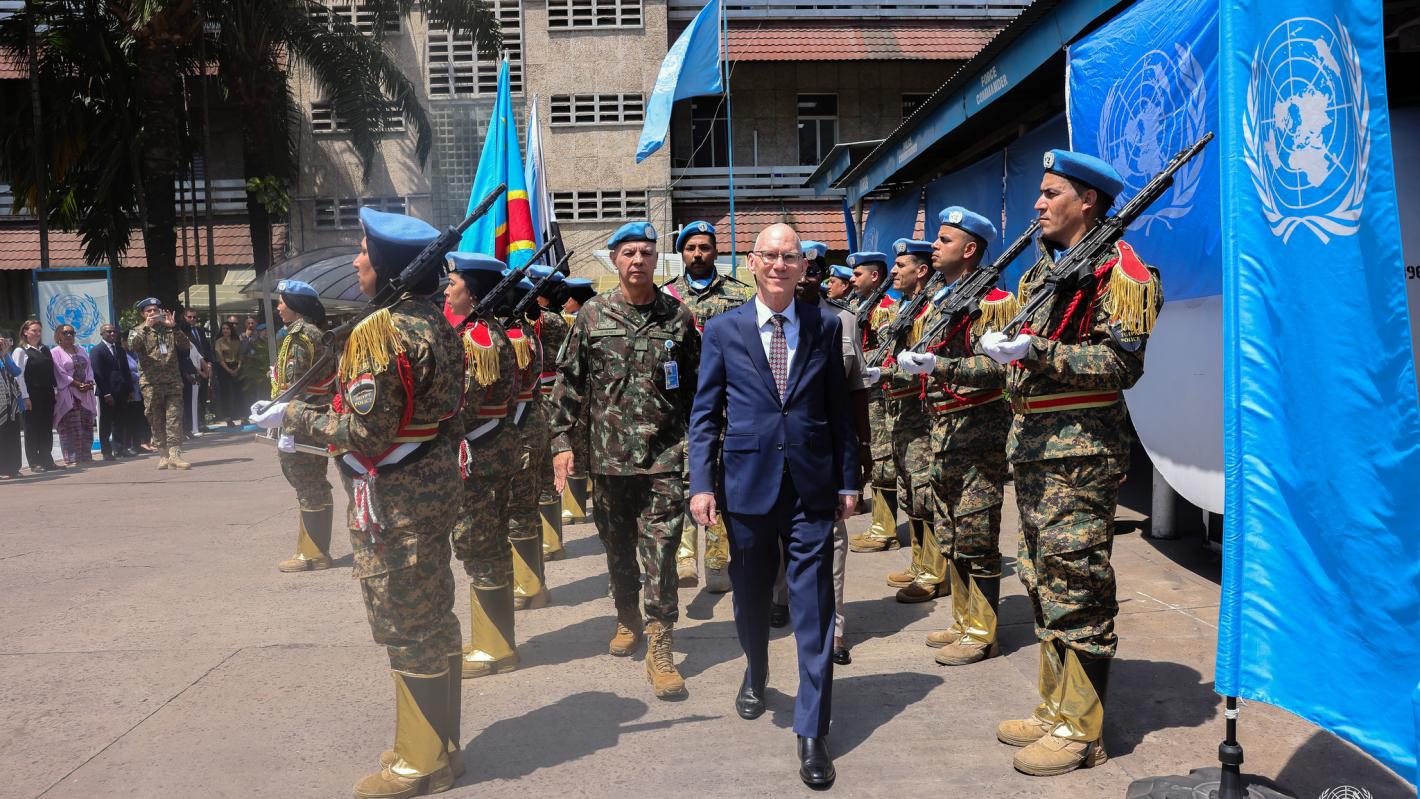
Reports indicate that a new leadership transition is underway within the United Nations peacekeeping mission in the Democratic Republic of the Congo under MONUSCO, with a newly appointed senior UN representative expected to assume duties in the country.

While the United Nations routinely deploys newly appointed mission heads to the DRC after official confirmation in New York, the exact timing and details of the latest arrival remain unverified publicly. Typically, incoming Special Representatives travel to Kinshasa to formally take over leadership and begin coordination with national authorities and peacekeeping command structures.

MONUSCO continues to operate in a complex environment, particularly in eastern DRC, where armed group activity, displacement, and regional tensions remain ongoing challenges. Leadership transitions in the mission are part of its normal operational cycle as mandates are renewed and personnel rotate.

Historically, incoming heads of MONUSCO have always physically arrived in the country to assume command, often beginning with high-level meetings in Kinshasa before engaging field operations in regions such as North Kivu and Ituri.

At this stage, officials have not released full public confirmation regarding the exact arrival date or on-the-ground activities of the incoming leadership.

Continue Reading

Trending

Copyright © 2026 Africadigitmedia.net. Website powered by ProDigit.