Connect with us

Business

South Africa supplies weapons to 42 countries

Published

on

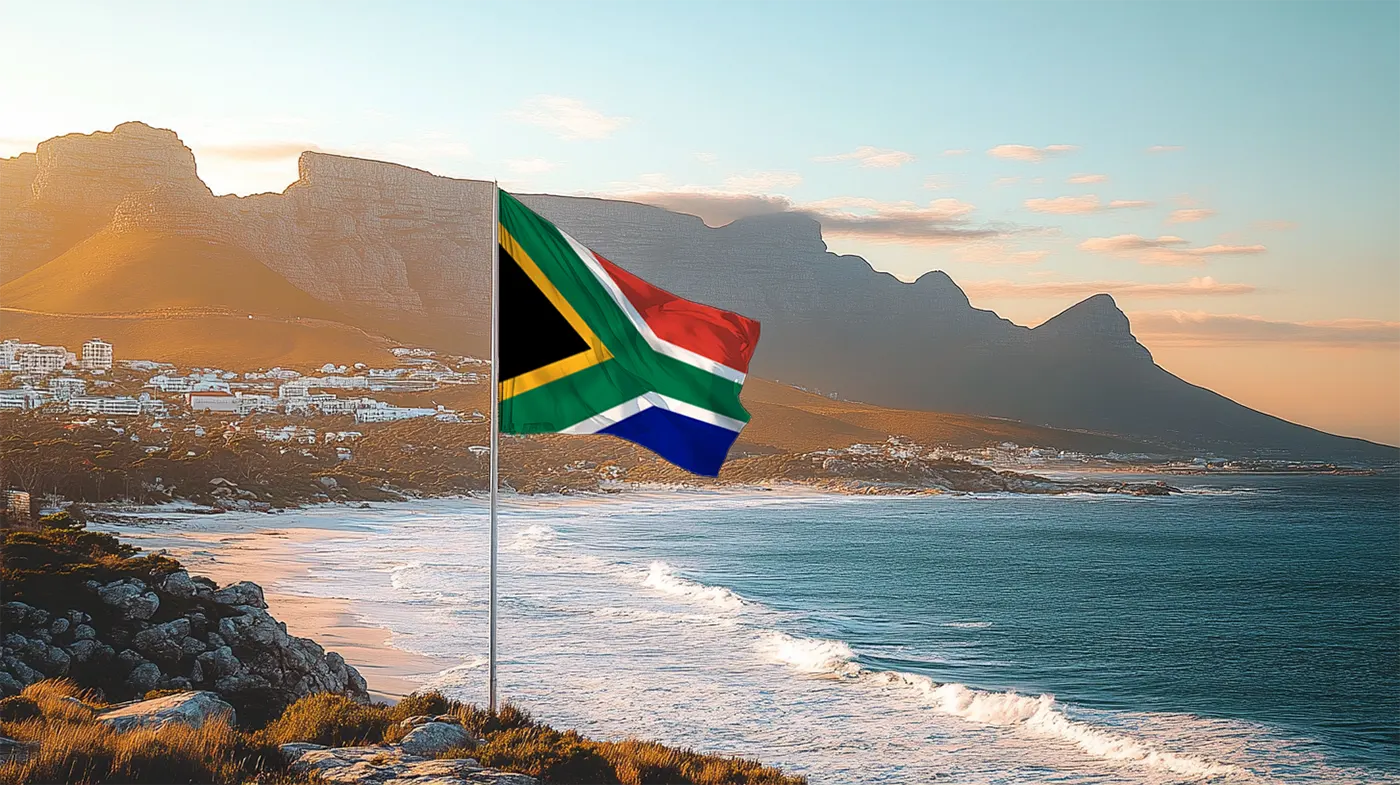
South Africa recorded approximately $550 million (R10.1 billion) in defence exports in 2025, supplying military equipment to 42 countries, according to figures released by the National Conventional Arms Control Committee (NCACC).

The latest data shows a sharp rise from about $190 million in 2024, with export earnings nearly tripling within a year as global demand for military equipment increased.
The exports were authorised through 582 permits, covering a wide range of equipment including ammunition, armoured vehicles, aircraft and electronic systems. Ammunition particularly artillery shells accounted for the largest share of sales, driven largely by demand from Europe. Germany emerged as a major buyer, purchasing tens of thousands of artillery shells in deals valued at around $180 million, reflecting broader efforts by European countries to strengthen military stockpiles.

Beyond Europe, South Africa maintained a steady flow of exports to markets in the Middle East, Africa and Asia-Pacific. Countries such as France, Turkey and the United Arab Emirates were among key international buyers, while several African nations, including Kenya, Ghana and Malawi, imported armoured vehicles. Aircraft and related systems were also supplied to countries such as the Democratic Republic of Congo and Mozambique.

The export growth was supported by local defence manufacturers, including Denel, Rheinmetall Denel Munition, Paramount Group and Milkor, which produce a range of systems from munitions and missiles to armoured vehicles and advanced military technologies.

All exports were reviewed and approved by the NCACC, the government body responsible for regulating arms sales and ensuring compliance with international obligations, including restrictions on supplying countries under United Nations arms embargoes.

South Africa remains one of the few countries in Africa with a developed defence manufacturing base and a consistent export market. The increase in sales highlights its role as a supplier in a global market where demand for ammunition and military equipment has risen significantly in response to ongoing geopolitical tensions.

Continue Reading
Click to comment

Leave a Reply

Your email address will not be published. Required fields are marked *

Business

€213 Million Financing Deal Agreed to Support Rwanda’s Development Plans

Published

on

By

Rwanda has secured a large blended finance package worth about €213 million (approximately Rwf 367 billion) from a group of international financial institutions.

The funding package is designed to support the country’s long-term development priorities by combining different sources of capital, including concessional financing and private sector-linked investment support. This structure, known as blended finance, is used to reduce investment risk and encourage participation from both public and private financiers.

According to the Ministry, the arrangement brings together several international development finance partners working in coordination to support Rwanda’s economic transformation agenda. While full details of the financing structure were not immediately disclosed, such facilities typically involve a mix of low-interest loans, guarantees, and catalytic funding aimed at unlocking additional private investment.
Blended finance is increasingly used in emerging markets to help fund large-scale projects that may be considered too risky for purely commercial lenders. In Rwanda’s case, such funding is commonly directed toward priority sectors including infrastructure development, energy expansion, climate resilience, agriculture modernization, and private sector growth.

The agreement reflects continued confidence from international partners in Rwanda’s macroeconomic stability and development strategy. The financing is also expected to contribute to job creation and improved access to essential services through investment in productive sectors of the economy.

Rwanda has in recent years positioned itself as a regional hub for investment, with a focus on mobilizing external capital to support infrastructure-led growth and private sector development. The latest financing package adds to a growing portfolio of concessional and blended finance arrangements supporting the country’s national development plans.

Further details on project allocation and implementing institutions are expected to be released by government and partner organizations in subsequent updates.

Continue Reading

Business

Côte d’Ivoire with three aviation agreements

Published

on

By

Côte d’Ivoire has presented three new air transport agreements with Brazil, Angola, and Oman to its National Assembly as part of efforts to strengthen its aviation sector and expand international connectivity.

The agreements were presented under the leadership of President Alassane Ouattara and introduced by Transport Minister Nialé Kaba. They are aimed at supporting the country’s long-term ambition of positioning Abidjan as a regional aviation hub.

Authorities say the initiative seeks to improve air traffic rights between Côte d’Ivoire and the partner countries, facilitate passenger and cargo movement, and promote new commercial opportunities in the aviation sector.

Brazil, Angola, and Oman are considered strategic partners in this expansion. Brazil is expected to enhance links between West Africa and South America, Angola will reinforce intra-African connectivity, while Oman is seen as a gateway to stronger ties with the Middle East.

The government says the agreements form part of broader efforts to increase Côte d’Ivoire’s economic attractiveness and strengthen its role in regional and international transport networks.

Abidjan, which hosts the country’s main international airport, remains central to this strategy as authorities continue efforts to develop it into a key aviation hub in West Africa.

Continue Reading

Business

Currency Calm Turns Costly for Kenya’s Lenders

Kenya’s banking sector is feeling the downside of currency stability.
Published

on

By

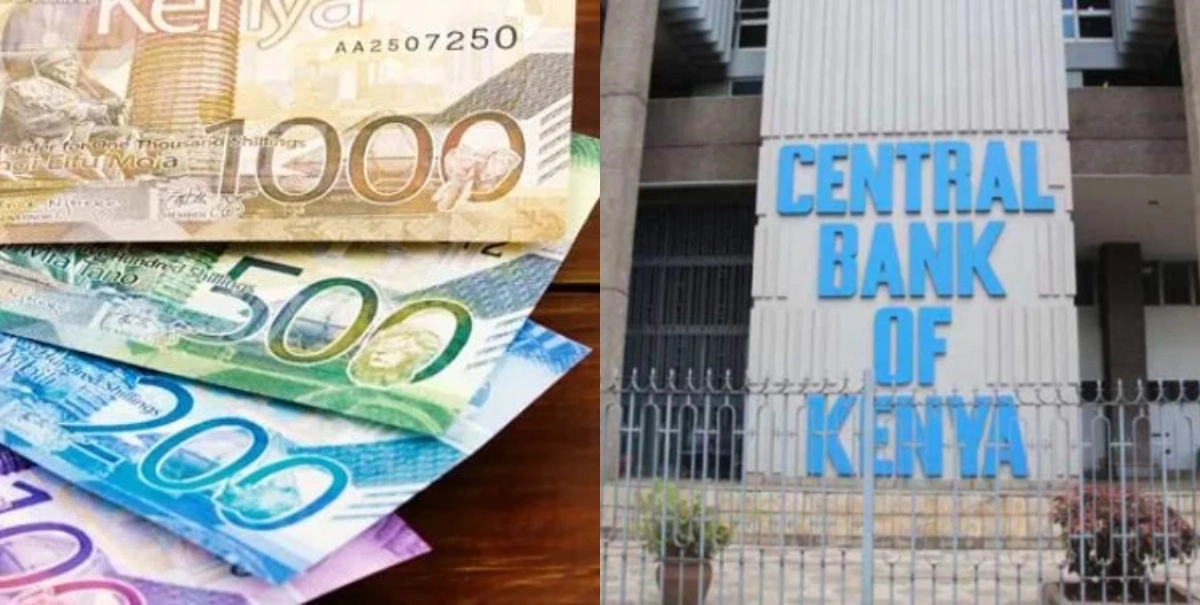
In 2025, the country’s nine largest commercial banks recorded a combined drop of Sh16 billion in foreign exchange trading income compared to the previous year, a sharp reversal driven not by crisis, but by calm.
At the center of this shift is the Kenyan shilling’s unusually narrow trading range. While stability in the currency is typically a sign of macroeconomic health, it has quietly eroded one of banks’ most lucrative non-interest income streams.

Foreign exchange trading thrives on movement. Banks earn from spreads the gap between buying and selling currencies and from high transaction volumes during periods of volatility. When the currency barely moves, those spreads tighten, opportunities shrink, and profits follow suit.

The result is a paradox: what benefits the broader economy is hurting bank balance sheets.
A stable shilling lowers uncertainty for importers and exporters, supports planning, and reduces inflationary pressure tied to currency swings. But for banks, it removes the price fluctuations that make forex desks profitable.

This income squeeze is already forcing a strategic pivot. Lenders are doubling down on traditional lending, expanding digital financial services, and increasing reliance on fees and commissions to plug the revenue gap. The shift signals a broader recalibration of banking models in a low-volatility environment.

The Sh16 billion decline is more than a one-off hit, it’s a structural signal. If currency stability persists, forex income may no longer be the reliable profit engine it once was.

Continue Reading

Trending

Copyright © 2026 Africadigitmedia.net. Website powered by ProDigit.